Error Codes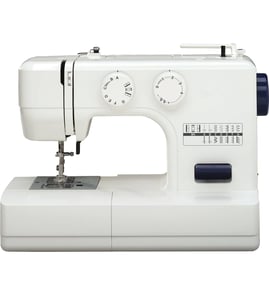

What is the difference between a sewing machine and a mechanical sewing machine?
A mechanical sewing machine (like Kenmore model 15817800) uses manual knobs and levers to set stitch type, stitch length, and stitch width, while many modern sewing machines use electronic controls and built-in programs to change settings with buttons. Mechanical machines are simpler and easier to troubleshoot.
| Feature | Mechanical sewing machine | Electronic (computerized) sewing machine |
|---|---|---|
| Stitch selection | Dial or lever | Buttons, screen, or presets |
| Stitch length/width | Manual knobs | Digital adjustment, often more precise |
| Complexity | Fewer electronics | More electronics and sensors |
| Typical repairs | Cleaning, lubrication, belts, motor, switch | Electronics plus mechanical items |
- Controls: Mechanical models rely on physical dials; electronic models rely on push-buttons and programmed stitch menus.
- Consistency: Electronic machines often hold settings more consistently across projects; mechanical machines depend more on manual setup.
- Maintenance: Mechanical machines typically respond well to routine cleaning and correct threading.
- Troubleshooting: Mechanical issues are usually easier to isolate (feed dogs, tension, bobbin area, belt, motor).
- Power behavior: Electronic machines may show error codes; mechanical machines usually just stop, bind, or run poorly.
Knowing which type you have helps you pick the right repair path. With a mechanical Kenmore 15817800, most problems trace back to threading, tension, lint buildup, lubrication points, or drive components rather than control boards or software.
- Fabric not feeding: check feed dogs and presser foot pressure; see sewing machine fabric not moving
- Handwheel hard to turn: clear thread jams and lint in the hook/bobbin area; see sewing machine locks up
- Motor hums or does nothing: inspect power cord/foot pedal and motor brushes (if used); see sewing machine motor won't run
- No power at all: check switch and power path; see sewing machine won't turn on
Last updated: February 2026
Are older sewing machines worth anything?
Yes. Older sewing machines like the Kenmore 15817800 can be worth money, but most “everyday” vintage machines sell for modest amounts unless they are rare, complete, and sew well. In many cases, the best value comes from a clean, fully working machine with accessories, or from usable parts.
- Working condition: smooth handwheel rotation, consistent stitch formation, and a responsive foot pedal
- Completeness: original case, foot control, power cord, presser feet, bobbins, and attachments
- Cosmetic condition: minimal rust, no cracked plastic, readable decals, clean wiring
- Service history: recently cleaned and lubricated machines sell faster
- Local demand: vintage sewing interest varies by region and season
These are typical market ranges for common vintage mechanical machines; rare collector models can exceed these.
| Condition | Typical value range | Best use case |
|---|---|---|
| Not running, missing parts | $0 to $50 | Parts donor or restoration project |
| Running but needs tune-up | $50 to $150 | Hobbyist repair and use |
| Clean, fully functional, includes accessories | $100 to $250 | Ready-to-sew “workhorse” |
| Rare or highly collectible model | $250+ | Collector market |
- Search sold listings using the exact model number 15817800 (not just “Kenmore sewing machine”)
- Test sew on cotton fabric: straight stitch and zigzag (if equipped)
- Listen for grinding or knocking; that usually signals dried grease or worn bearings
- Inspect the wiring and foot pedal for cracking or heat damage
- Confirm the feed dogs move fabric evenly (a common value killer when they do not)
A vintage Kenmore mechanical sewing machine often has strong metal internals and can be an excellent everyday machine when serviced. If it is not sewing correctly, repair cost versus resale value is the key decision point; our DIY symptom guides help you estimate that quickly.
Last updated: February 2026
When was the Kenmore 15817800 sewing machine made?
The Kenmore 15817800 is a vintage, mechanical Kenmore sewing machine model from the era when many 158-series machines were produced (commonly the 1970s into the early 1980s). The exact production year for a specific 15817800 unit is best identified from the machine’s ID plate and any date or factory codes stamped on it. See our sewing machine common questions for where to look and what the markings typically mean.
Check these common locations on Kenmore mechanical sewing machines:
- Model and serial plate on the back or underside of the machine
- Inside the front faceplate area (after removing the faceplate cover)
- Under the handwheel side cover (some units have additional stamped codes)
- Original paperwork (receipt, service tag, or accessory booklet)
- Motor tag (sometimes includes a date code that helps narrow the timeframe)
On many vintage machines, you will see more than one identifier. Here is how we treat them when dating a machine:
| Marking you find | What it usually indicates | How to use it |
|---|---|---|
| Model number (15817800) | The design family and configuration | Confirms you have the correct parts list for this model |
| Serial number | The specific unit | Helps narrow production run when cross-referenced with known ranges |
| Stamped code (letters or short digits) | Factory or batch info | Can indicate approximate era even when the serial format is unclear |
| Motor date code | Motor manufacture date | Often close to the machine’s build date (but not always exact) |
Dating your Kenmore 15817800 helps us match the right mechanical parts and adjustments for your machine, especially for items that changed across production runs (for example: drive belt style, motor mounting, bobbin winder components, and wiring/on-off switch layouts).
If your goal is repair rather than collecting, these guides help you diagnose common vintage-machine issues while you gather the ID info:
Last updated: February 2026