Installation guide
 Owner’s manual


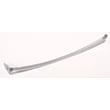
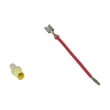
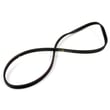
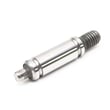
What are common WED8200YW0 problems?
Common Whirlpool WED8200YW0 dryer problems include won’t start, no heat or weak heat, and noisy operation (squealing, thumping, or rumbling). We see many of these issues traced to power supply and venting problems, or to normal wear parts like the thermal fuse, belt, and drum rollers.
Most common symptoms and what usually causes them
- Won’t start: door not fully closed, start not pressed firmly, tripped breaker or blown fuse (many electric dryers use two), failed door catch
- No heat / not enough heat: incorrect 240V supply, restricted venting, blown thermal fuse, failed heating circuit components
- Noisy: worn drum support rollers, worn idler assembly, worn belt
- Long dry times: crushed or blocked vent, poor airflow, lint buildup
- “Check Vent” message (if equipped): vent restriction or improper vent materials
Quick checks we recommend first (fast, no parts)
- Confirm the dryer has 240V power (electric dryers require a 240-volt supply).
- Check both house fuses or breakers for the dryer; reset/replace as needed.
- Make sure the door fully closes and latches.
- Inspect venting for restrictions; use heavy metal venting (not plastic or foil).
- Avoid screws into the duct and avoid duct tape; both can trap lint.
Parts that commonly fix these problems
| Symptom | Common wear/failure part | Example part for WED8200YW0 |
|---|---|---|
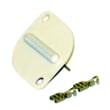
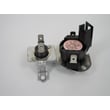
| No heat, dryer stops | Thermal fuse | Dryer thermal fuse WP3390719 |
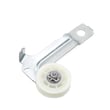
| Squealing/thumping | Drum support rollers | Dryer drum support roller WPW10314173 |
| Drum not turning | Drum belt | Dryer drum belt WP8547157 |
Why it matters
Restricted venting and poor airflow can cause overheating, repeated thermal fuse failures, and long dry times. Keeping the vent system correct and clear protects the heater circuit and helps your Whirlpool dryer dry efficiently.
Where to confirm model-specific details
For your exact diagnostic steps, venting layout guidance, and any display codes (such as L2 or “Check Vent”), follow the WED8200YW0 installation guide.
Last updated: February 2026
What causes a whirlpool dryer to not heat up?
On the Whirlpool WED8200YW0 electric dryer, the most common reasons for no heat are a home power supply issue (missing one leg of 240V), restricted venting that triggers low-airflow protection, or a failed heating circuit part such as the thermal fuse or heating element. Start with the quick power and airflow checks in the WED8200YW0 installation guide.
Quick checks first (fastest fixes)
- Confirm the dryer is on a heated cycle (Timed Dry with heat, not Air Only).
- Check the display for an L2 code (low or no line voltage condition).
- Reset both dryer breakers (electric dryers typically use two breakers) or replace both fuses if your home uses fuses.
- Clean the lint screen and make sure the vent hose is not crushed behind the dryer.
- Check the outside vent hood for lint buildup or a stuck flap.
Most likely causes and what to do
| Symptom | Most likely cause | What we do next |
|---|---|---|
| Drum tumbles but no heat | One leg of 240V missing (L2 condition) | Reset both breakers; verify proper 240V supply; electrician if it returns |
| “Check Vent” light/message | Blocked or long vent run, too many elbows | Clean lint screen, vent hose, and exterior hood; verify vent layout |
| No heat and dryer shuts off early | Overheat protection opened | Inspect airflow; test/replace the dryer thermal fuse WP3390719 if blown |
| Runs but clothes stay damp | Heater cycling incorrectly | Test the dryer thermistor WP8577274 and moisture sensing system |
| No heat at all after power and vent checks | Failed heater circuit | Inspect wiring and heater; replace the dryer heating element WP8544772 if open |
Why it matters
No-heat problems on an electric dryer are often caused by power delivery or airflow. Fixing those first prevents repeat failures of safety parts like the thermal fuse and helps the dryer heat safely and dry efficiently.
Helpful testing tips
- Use a multimeter to check continuity on the thermal fuse, heating element, and thermostats.
- If you see an L2 code repeatedly, treat it as a home electrical issue, not a dryer timer issue.
- After any repair, run a heated Timed Dry cycle and confirm strong airflow at the exterior vent.
Last updated: February 2026
What is the average lifespan of a whirlpool dryer?
A Whirlpool electric dryer like model WED8200YW0 typically lasts 10 to 15 years with normal household use. Consistent venting and lint maintenance, plus replacing common wear parts when symptoms show up, is what most often pushes a dryer toward the high end of that range.
What affects dryer lifespan the most
- Airflow and vent length: Long or restrictive venting increases heat and run time, which shortens component life.
- Lint control: Cleaning the lint screen every load and keeping the exhaust path clear reduces overheating risk.
- Load habits: Overloading strains the drum support system, belt, and motor.
- Heat regulation parts: A failing thermistor or thermal fuse can cause overheating or no-heat conditions.
- Electrical setup: Correct power cord and grounding practices help prevent intermittent power issues (see the WED8200YW0 installation guide).
Maintenance checklist (best return for the effort)
- Clean the lint screen every cycle; wash it with mild soap and water if you notice residue.
- Inspect and clean the vent run and outside hood regularly; keep the route as straight as possible.
- Confirm the vent length stays within the venting chart limits in the WED8200YW0 installation guide.
- Listen for squealing, thumping, or rumbling; address roller and idler wear early.
- If drying times increase, check airflow first before replacing heat parts.
Common wear items and what they usually mean
| Symptom | Most common cause | Typical fix |
|---|---|---|
| Squealing or rumbling | Worn drum support components | Replace rollers or use a kit like dryer repair kit 4392067 |
| Drum not turning | Belt slipped or broken | Replace dryer drum belt WP8547157 |
| Runs but no heat | Safety device opened from overheating | Test and replace dryer thermal fuse WP3390719 after fixing airflow |
| Overheats or cycles heat oddly | Temperature sensing issue | Test and replace dryer thermistor WP8577274 |
Why it matters
Most “short lifespan” dryers are really airflow-limited dryers. When venting is too long or partially blocked, the dryer runs hotter and longer, which accelerates wear on the heating system, drum support rollers, and motor.
Last updated: February 2026
What is the capacity of the WED8200YW0?
The Whirlpool WED8200YW0 is a 27-inch electric dryer; its drying capacity is typically described by drum volume (cubic feet) rather than washer-style “wash capacity.” For the exact drum capacity rating for your unit, we recommend confirming it in the WED8200YW0 owner's manual.
How to find the capacity for this dryer
Use these quick checks so you get the right spec for your exact model and configuration:
- Look in the Specifications section of the WED8200YW0 owner's manual
- Check the model/serial tag (often inside the door opening) and match it to the manual
- If you see capacity listed online, make sure it says dryer drum capacity (not washer capacity)
- Ignore listings that describe a top-load washer; those specs do not apply to WED8200YW0
- If you are comparing dryers, use drum capacity + venting setup + cycle type (sensor vs timed)
Related specs people confuse with “capacity”
If you are planning an install or comparing fit, these are often more useful than drum volume.
| Spec type | What it tells you | Where to confirm |
|---|---|---|
| Dryer dimensions | Whether it fits your space and door swing | WED8200YW0 installation guide |
| Electrical requirements | Circuit and cord/receptacle needs | WED8200YW0 installation guide |
| Vent length limits | Whether your vent run is acceptable | WED8200YW0 installation guide |
Why it matters
Using the correct dryer capacity helps you avoid overloading (long dry times, poor sensor performance) and helps you compare models accurately. It also prevents mix-ups with washer listings that use “cu. ft.” in a completely different way.
Last updated: February 2026