
How can I tell what size chain my chainsaw needs?
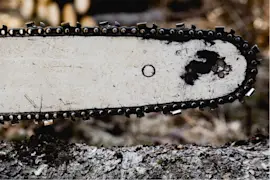
For your Craftsman chainsaw model 917353760, chain size is determined by three specs: pitch, gauge, and drive link count. The most reliable way to match the correct replacement chain is to confirm all three, then buy a chain that matches those exact measurements.
If you still have the old chain, we recommend using it as your template.
- Drive link count: count the drive links (the teeth that ride in the bar groove)
- Pitch: measure the distance across 3 rivets and divide by 2 (common pitches include 3/8 in. and .325 in.)
- Gauge: measure the thickness of a drive link where it fits into the bar groove (common gauges include .050 in., .058 in., .063 in.)
- Check the guide bar stamping; many bars list pitch and gauge
- If the chain is missing, use the bar as the reference (pitch, gauge, and bar length)
| Spec | What it means | What must match |
|---|---|---|
| Pitch | Spacing of chain rivets | Chain pitch must match sprocket and bar |
| Gauge | Thickness of drive links | Must match the bar groove width |
| Drive links | Number of drive links | Must match the bar length and mount |
Counting drive links is the step most likely to cause an ordering mistake.
- Mark one drive link with tape or a marker
- Count only the drive links, not the cutters
- Count all the way around until you reach the marked link again
- Recount once to confirm the number
A chain with the wrong pitch or gauge can bind in the bar, derail, or wear the bar and sprocket quickly. Matching pitch, gauge, and drive link count keeps your Craftsman 917353760 cutting safely and smoothly.
For more step-by-step help with chain fit and maintenance, use our chainsaw common questions guide.
Last updated: February 2026
How do I find out what Craftsman chainsaw I have?
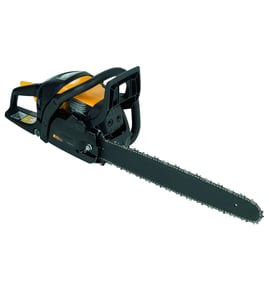
To find out which Craftsman chainsaw you have, locate the model number on the saw’s ID label and match it to the parts listing. For this page, the model is Craftsman 917353760; using the exact model number ensures you get the right diagrams and replacement parts.
On most Craftsman gas chainsaws, the model number is printed on a sticker or stamped tag on the saw body. Check these common spots:
- Side of the engine/motor housing (near the starter cover)
- Rear handle area (near the trigger)
- Bottom of the saw body (underside of the crankcase)
- Near the bar mount area (close to the clutch cover)
- Around the fuel and oil cap area
Record the information exactly as shown on the label.
- Full model number (example: 917353760)
- Any additional numbers/letters on the same label (often a product number or serial)
- Brand name (Craftsman)
- Engine size or bar length if listed (helpful for confirming fit)
| Item | What it’s used for | Example format |
|---|---|---|
| Model number | Identifies the exact chainsaw design for parts lookup | 917353760 |
| Serial number | Identifies your specific unit for tracking/production | Mix of letters and numbers |
Chainsaws often look similar across multiple Craftsman models, but parts like the carburetor, fuel lines, chain brake components, and oil pump can vary by model. Using the exact model number prevents ordering the wrong part and helps troubleshooting match your saw.
If you are trying to identify the saw because it will not start or runs poorly, use our DIY guides to narrow it down by symptom:
Last updated: February 2026
Where can I buy Craftsman replacement parts?
You can buy replacement parts for your Craftsman chainsaw model 917353760 through our model-specific parts listings and diagrams on Sears PartsDirect. Using the exact model number helps you match the correct parts (like fuel system, ignition, and bar and chain components) the first time.
- Start with the model number 917353760 and match it to the correct parts diagram section.
- Identify the system you’re repairing (carburetor, fuel lines, starter, clutch, oiler, ignition).
- Compare the part description to what you see on the saw before ordering.
- Replace wear items in sets when it makes sense (for example, fuel line plus fuel filter).
- If you’re unsure, use our symptom-based repair content to narrow the likely part.
These are the most frequently purchased chainsaw replacement parts and maintenance items:
- Spark plug
- Air filter
- Fuel filter and fuel lines
- Carburetor (or carburetor rebuild parts)
- Recoil starter parts
- Bar, chain, and chain tensioner components
| Repair need | Parts that commonly fix it | What to check first |
|---|---|---|
| Won’t start | Spark plug, fuel lines, carburetor parts | Fresh fuel mix, choke position, flooded engine signs |
| Runs rough | Air filter, carburetor parts, fuel filter | Dirty filter, cracked fuel line, stale fuel |
| Leaks gas | Fuel lines, fuel tank grommet, carburetor | Wet spots under saw, cracked lines, loose fittings |
| Poor cutting | Chain, bar, sprocket | Chain sharpness, correct chain tension, bar wear |
Ordering by the exact model number 917353760 prevents mismatched parts and reduces downtime, especially for fit-critical items like fuel lines, carburetor connections, and bar and chain components.
- What are the most common replacement parts for chainsaws
- Tips for a hard to start chainsaw
- Chainsaw leaking gas
Last updated: February 2026
How big of a bar can you put on a 60cc chainsaw?
Most 60cc chainsaws run best with an 18 to 20 inch guide bar for everyday cutting; longer bars are possible only when the bar mount pattern and chain specs match and the saw oils the bar properly. For Craftsman model 917353760, choose bar length by matching fit and chain requirements, not engine size alone.
- 18 to 20 inches: best balance of cutting speed, control, and engine load
- 16 inches: great for limbing and frequent start-stop work
- 20 inches: common “max practical” for regular firewood cutting on this class of saw
- Over 20 inches: specialty use only; requires exact fit and can reduce performance
Before buying a longer bar, confirm these items match your current setup:
- Bar mount pattern: stud spacing and tensioner-hole location must line up
- Chain pitch: must match the drive sprocket (common pitches include 3/8 in. and .325 in.)
- Chain gauge: must match the bar groove (common gauges include .050 in. and .058 in.)
- Drive link count: must match the bar length and sprocket nose/bar design
- Oiling performance: longer bars need strong, consistent bar-and-chain oil delivery
| Your typical cutting | Best bar length | Why it works |
|---|---|---|
| Limbs, small logs, yard cleanup | 16 to 18 in. | Light, nimble, fast cutting |
| Firewood and general use | 18 to 20 in. | Best overall balance |
| Occasional larger diameter cuts | 20 in. | More reach with manageable load |
An oversized bar increases chain drag and can make the saw bog down; it also raises kickback exposure and accelerates wear on the clutch, sprocket, and bar rails. Matching the bar and chain specs keeps your Craftsman chainsaw cutting safely and efficiently.
Last updated: February 2026
What are common chainsaw problems?
Common problems on the Craftsman 917353760 chainsaw include hard starting, rough running, stalling under load, poor cutting, bar and chain oiling failures, and fuel leaks. These issues are usually caused by basic maintenance items (air filter, spark plug, fuel system) or a dull or incorrectly tensioned chain.
- Won’t start: stale fuel mix, flooded engine, fouled spark plug, dirty air filter
- Runs rough or surges: restricted air filter, carburetor needs service, air leak, clogged fuel filter
- Starts then dies: restricted fuel line, plugged tank vent, clogged spark arrester screen
- Cuts slowly or pulls: dull chain, uneven cutters, incorrect depth gauges, improper tension
- Chain won’t oil or overheats: empty oil tank, clogged oiler port, worn oil pump
- Leaking gas: cracked fuel line, loose fittings, hardened grommet
- Start with fresh, properly mixed 2-cycle fuel; many saws use 40:1 or 50:1, so match the ratio specified for your engine and oil
- Clean or replace the air filter
- Inspect and service the spark plug (clean/replace and set gap per spec)
- Check the muffler spark arrester screen for carbon blockage
- Verify bar oil delivery (oil line on cardboard or a light surface)
| Symptom | Most likely causes | Best next step |
|---|---|---|
| Won’t start | fuel/air/spark issue | follow tips for a hard to start chainsaw |
| Runs rough | air restriction, fuel restriction, carburetor | use chainsaw runs rough |
| Leaks gas | fuel line or grommet leak | use chainsaw leaking gas |
| Poor cutting | dull chain, wrong tension | use how to sharpen a chainsaw |
A clogged air filter or restricted exhaust changes the fuel-air balance, which reduces power and can foul the spark plug. Fixing the basics first prevents unnecessary carburetor adjustments and helps the saw run cooler and more reliably.
Last updated: February 2026