 Error Codes



Can I replace dishwasher parts myself?
Yes, for the GE PDT715SYN5FS dishwasher, we see many customers successfully replace common wear parts themselves (spray arms, drain hose, door latch, inlet valve). For electrical diagnosis or leak-related repairs, we recommend careful troubleshooting first and replacing only the confirmed failed part.
Good DIY repairs vs. better left to a pro
Many repairs are straightforward if you can shut off power and water, remove a few screws, and take photos of wire and hose routing.
- Good DIY candidates: spray arms, drain hose, door latch, rack hardware
- Moderate DIY: inlet valve, drain pump, heating element (requires careful wiring and leak checks)
- Advanced: control board, wire harness issues, repeated error codes with no obvious cause
Parts on this model that are commonly DIY-friendly
Here are examples of parts available for PDT715SYN5FS that are typically approachable for a careful DIYer:
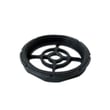
- Dishwasher spray arm, lower WD22X33499
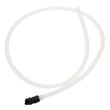
- Dishwasher drain hose WD24X10062
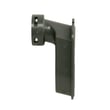
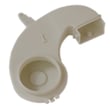
- GE dishwasher door latch lock WD21X10490
- Dishwasher water inlet valve WD15X26078
- Dishwasher drain pump WD19X25461
Quick safety checklist (do this every time)
- Turn off power at the breaker (dishwashers are hard-wired in many homes).
- Shut off the water supply valve under the sink.
- Put towels down and use a shallow pan for residual water.
- Take a photo before disconnecting wires, hoses, or clamps.
- After reassembly, run a short cycle and check for leaks underneath.
Troubleshooting first: what symptom points to what part?
| Symptom | Common causes | Example part on this model |
|---|---|---|
| Not draining | Clog, kinked hose, failed pump | WD24X10062, WD19X25461 |
| Not cleaning well | Clogged spray arm, low wash pressure | WD22X33499 |
| Won’t fill | Supply issue, failed inlet valve | WD15X26078 |
| Won’t start or stops | Door not latching, control issue | WD21X10490 |
Why it matters
Replacing the right dishwasher part the first time saves time and prevents repeat leaks, nuisance error codes, and unnecessary electrical parts swaps. When symptoms point to multiple causes, we recommend starting with the simplest checks (clogs, kinks, latch engagement) before replacing higher-cost components.
Last updated: February 2026
Is it worth fixing a GE dishwasher?
Yes, it’s usually worth fixing a GE dishwasher like model PDT715SYN5FS when the problem is a common wear item or a single mid-priced part, and the machine is otherwise in good condition. Replacement makes more sense when multiple major components are failing or repair cost approaches the price of a comparable new dishwasher.
Quick decision checklist
- Choose repair if the issue is isolated (leak, no drain, poor cleaning, door won’t latch).
- Choose replacement if you’ve had repeated breakdowns in the last 12 to 24 months.
- Choose repair if you can fix it with one accessible part and basic tools.
- Choose replacement if the tub is damaged or you have multiple electrical failures.
- Choose repair if the dishwasher is quiet, racks are solid, and cycles complete normally.
Typical repair costs: small vs. major parts
Below are common part categories for PDT715SYN5FS and what they usually indicate.
| Symptom | Common suspect | Example part for this model | Repair usually makes sense when… |
|---|---|---|---|
| Won’t drain, standing water | Drain system | Dishwasher drain pump WD19X25461 | It’s a single failure and the unit otherwise runs normally |
| Not cleaning well | Spray system, circulation | Dishwasher spray arm, lower WD22X33499 | Dishes are dirty but the unit fills, heats, and drains |
| Door won’t start cycle | Door switch/latch | GE dishwasher door latch lock WD21X10490 | The dishwasher has power but won’t run due to a latch issue |
| Not drying, water not heating | Heating circuit | Heating element WD05X35098 | Cycles complete but drying/heating performance dropped |
| Fill problems or overfill behavior | Fill/level sensing | GE dishwasher pressure sensor WD21X25468 | You have fill-related symptoms and no other major issues |
Why it matters (repair vs. replace)
A dishwasher that only needs a drain pump, inlet valve, spray arm, or tub gasket repair is typically a good candidate for repair because those fixes restore core performance without replacing the whole machine. When control problems stack up with pump or heating failures, total cost and downtime rise fast.
What we recommend doing first
- Check for simple causes: clogged filter area, kinked drain hose, blocked spray arm holes.
- Run a short cycle and listen: drain pump hum, wash motor sound, and water movement.
- Look for one clear symptom (leak, no drain, no heat) before buying parts.
- If you see an error code, use GE electronic dishwasher error codes to narrow the failure.
- If the dishwasher won’t start at all, follow dishwasher wont start video to rule out basic power and latch issues.
Last updated: February 2026
What are the commonly replaced parts in a dishwasher?
For the GE PDT715SYN5FS dishwasher, the most commonly replaced parts are the wash and drain components, door sealing and latching parts, and water delivery parts. These items wear from heat, detergent, hard-water buildup, and normal mechanical use, and they directly affect cleaning, draining, and leak prevention.
Commonly replaced dishwasher parts (and what they affect)
- Spray arms and water distribution: clogged jets or cracked arms reduce cleaning coverage.
- Pumps and sump parts: worn impellers or seals cause poor wash pressure, noise, or leaks.
- Drain system parts: restrictions or a weak pump can leave standing water.
- Heating and drying parts: weak heating can leave dishes wet and reduce wash performance.
- Door latch and seals: a door that will not latch or a worn gasket can stop cycles or cause leaks.
- Water inlet parts: slow fill or no fill often traces back to the inlet valve or supply issues.
Model-matched examples for GE PDT715SYN5FS
These are parts we often see replaced when symptoms match:
| Symptom | Common part to check | Example part for this model |
|---|---|---|
| Not draining, water left in tub | Drain pump, drain hose | Dishwasher drain pump WD19X25461, dishwasher drain hose WD24X10062 |
| Not filling or fills slowly | Water inlet valve | Dishwasher water inlet valve WD15X26078 |
| Poor cleaning, weak spray | Spray arms, wash pump | Dishwasher spray arm, lower WD22X33499, wash pump main asm WD19X25700 |
| Leaking at the door | Tub gasket | Dishwasher tub gasket WD08X23477 |
| Will not start or stops mid-cycle | Door latch lock | GE dishwasher door latch lock WD21X10490 |
Why it matters
Dishwashers rely on the right water level, strong circulation, proper heating, and a sealed, latched door. When one of these core systems is weak, you can get repeat issues like cloudy dishes, standing water, or leaks even if detergent and loading are correct.
Quick checks before replacing parts
- Clean food debris from the sump area and check for obstructions.
- Inspect spray arm holes for mineral buildup and clear clogged jets.
- Confirm the sink drain and garbage disposal are clear (a backup can mimic a drain failure).
- Verify the door closes firmly and the latch engages consistently.
- Run hot water at the sink before starting a cycle to improve wash performance.
If the dishwasher is showing an error code, we use GE’s code charts to pinpoint the system involved; start with GE electronic dishwasher error codes.
Last updated: February 2026
What is the average lifespan of a GE dishwasher?
A GE dishwasher typically lasts 10 to 12 years. With consistent cleaning and a few key repairs (like replacing a worn drain pump or heating element), many units reach the 12 to 15 year range before major wear makes replacement more practical.
Typical lifespan and what affects it
- Usage frequency: multiple loads per day shortens life faster than light weekly use
- Water quality: hard water speeds up mineral buildup in the sump, spray arms, and heating circuit
- Maintenance habits: filter and tub cleaning reduces strain on the wash and drain systems
- Drying heat: heavy heated-dry use increases wear on heating components
- Small failures fixed early: prevents secondary damage (leaks, poor washing, long drain times)
Quick “repair vs replace” guide
| What you’re seeing | Most common cause | Usually worth repairing? |
|---|---|---|
| Not draining, standing water | Drain restriction or failing pump | Yes, often |
| Not drying well | Heating circuit issue | Often |
| Poor cleaning, gritty dishes | Spray arm or sump flow issue | Often |
| Repeated leaks from door area | Gasket wear or door alignment | Often |
| Multiple major issues at once | Several systems worn | Less often |
Parts that commonly extend service life
On GE model PDT715SYN5FS, these are frequent “keep it running” repairs:
- Dishwasher drain pump WD19X25461 (drain failures, slow drain, intermittent draining)
- Heating element WD05X35098 (poor drying, water not heating)
- Dishwasher water inlet valve WD15X26078 (not filling, weak fill)
- Dishwasher tub gasket WD08X23477 (door-area leaks)
- Dishwasher spray arm, lower WD22X33499 (poor wash coverage, clogged jets)
Why it matters
Knowing the normal lifespan helps you decide when a single part replacement is a smart fix versus when multiple age-related problems mean the dishwasher is nearing end-of-life. A well-maintained PDT715SYN5FS can stay reliable longer when wash performance, draining, and sealing issues are handled early.
Last updated: February 2026
What is the most common problem with a GE dishwasher?
The most common issue we see on a GE dishwasher like model PDT715SYN5FS is a drain or fill problem that leaves water in the tub or triggers a “won’t start/finish” complaint. Clogs, a weak drain pump, or a water-level sensing problem are frequent root causes.
Most common symptoms (and what they usually point to)
- Standing water after the cycle: drain restriction, drain pump problem, or a sink/disposal connection issue
- Won’t start or stops early: door not latching, control not sensing proper conditions, or an error code
- Not cleaning well: spray arm holes clogged, low water fill, or wash pump circulation issue
- Leaks at the door: worn tub gasket or door not closing squarely
- Poor drying: heater or venting issue, or cycle options not using heat
Quick checks we recommend first
- Cancel the cycle and run a drain; listen for the drain pump running.
- Check the drain path for kinks or blockages (especially where the hose loops up under the sink).
- Inspect spray arms for blocked jets and confirm they spin freely.
- Confirm the door closes firmly and the latch engages.
- If an error code is showing, match it to the GE list before replacing parts.
Parts that commonly solve these problems on PDT715SYN5FS
| Symptom | Common part to inspect/replace | What it does |
|---|---|---|
| Not draining, water left in tub | Dishwasher drain pump WD19X25461 | Pumps water out through the drain hose |
| Underfilling, fill errors, weak wash | Dishwasher water inlet valve WD15X26078 | Controls water entering the dishwasher |
| Fill/drain sensing errors, odd stopping | GE dishwasher pressure sensor WD21X25468 | Helps the control detect water level/pressure |
| Won’t start, beeps, door feels “loose” | GE dishwasher door latch lock WD21X10490 | Confirms the door is closed so the unit can run |
Error codes: the fastest way to narrow it down
If your dishwasher displays a code, we use these references to pinpoint whether the problem is drain, fill, heating, or control-related:
Why it matters
Drain and fill problems can look like “the dishwasher is dead,” but they are often caused by a simple restriction or a single failed component (pump, inlet valve, or pressure sensor). Fixing the root cause prevents repeat clogs, leaks, and incomplete cycles.
Last updated: February 2026





