Installation guide
 Owner’s manual
 Error Codes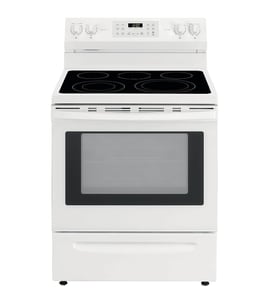





What type of appliance is KSDG950ESS2?
The KitchenAid KSDG950ESS2 is a dual fuel range (gas cooktop with an electric oven). It is a slide-in style range designed for standard kitchen installations, and it uses leveling legs to set the cooktop height correctly (see the KSDG950ESS2 installation guide).
A dual fuel range combines two heat sources so you get gas burner control on top and electric baking performance in the oven.
- Cooktop: gas surface burners for fast heat changes
- Oven: electric bake and broil functions for even heating
- Installation: requires proper leveling and correct electrical hookup
- Common features: electronic oven controls, surface grates, oven racks
Use these quick checks to confirm you are working with the right appliance and model.
| What to check | What you should see on KSDG950ESS2 |
|---|---|
| Appliance type | Dual fuel range |
| Fuel sources | Gas cooktop, electric oven |
| Model/serial plate location | Behind the oven door, top right of oven frame |
| Leveling method | Leveling legs (range must be level after install) |
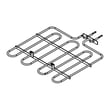
Knowing the KSDG950ESS2 is a dual fuel range helps us match the correct parts and troubleshooting steps, especially for oven heating issues (electric components like a bake element W10779716) versus burner or gas supply issues.
Last updated: January 2026
Is KSDG950ESS2 easy to use?
Yes. The KitchenAid KSDG950ESS2 dual fuel range is designed for straightforward day-to-day cooking with electronic oven controls, clear feature guidance, and practical “key usage tips” that help you get consistent results for baking, roasting, and surface-burner cooking. See the KSDG950ESS2 owner’s manual for the feature guide and control overview.
- Feature guide and key usage tips: quick references for common cooking tasks.
- Electronic oven controls: consistent settings for bake, broil, and other oven functions.
- Preheating guidance: helps you time cooking and improve results.
- Surface burner tips: helps match burner size, cookware, and technique.
- Cleaning guidance: clear do and don’t instructions for stainless steel and grates.
- Choose the right cookware size for the burner you’re using.
- Preheat the oven when the recipe calls for it.
- Position racks before the oven heats up.
- Keep the oven vent area clear.
- Clean spills after the range cools to protect finishes.
| Task | What to use | Where it’s covered |
|---|---|---|
| Baking/roasting | Oven settings + rack positioning | User guide sections on baking/roasting and racks |
| Cooktop cooking | Surface burners + cookware guidance | Cooktop and surface burner sections |
| Cleaning | Nonabrasive methods for finishes | Care and cleaning section |
When the controls and usage tips are easy to follow, you spend less time guessing about preheat timing, rack placement, and burner selection, and you get more consistent cooking results while reducing the chance of surface damage during cleaning.
Last updated: January 2026
What is the life expectancy of a KitchenAid range?
Most KitchenAid ranges, including the KitchenAid KSDG950ESS2 dual fuel range, typically last 13 to 15 years with normal household use and basic maintenance. Keeping the oven and cooktop clean, avoiding unnecessary high-heat cycles, and fixing small issues early helps you reach that lifespan.
A range’s life depends more on usage and care than the brand badge.
- Cooking frequency: daily cooking shortens life compared to occasional use
- Heat stress: frequent high-heat cleaning cycles and long broils add wear
- Ventilation: poor airflow can overheat controls and wiring
- Leveling: an unlevel range can hurt baking performance (and can contribute to uneven wear)
- Timely repairs: replacing a failing part early can prevent damage to other components
Use these habits to reduce wear on key components like the bake element, cooling fan, and electronic controls.
- Keep burner ports and grates clean so flames burn evenly
- Wipe spills quickly to prevent baked-on residue and corrosion
- Use cookware that matches burner size to reduce excess heat on the cooktop
- Confirm the range is level; adjust the leveling legs if needed (see the KSDG950ESS2 installation guide)
- Follow the cleaning and care guidance in the KSDG950ESS2 owner’s manual
| Symptom | Often related to | Example part on this model |
|---|---|---|
| Oven won’t heat or heats unevenly | Heating circuit | Bake element W10779716 |
| Control area gets unusually hot | Cooling/airflow issue | Cooling fan assembly (model-specific) |
| Display or keypad acts erratic | User interface/control issue | Keypad (model-specific) |
Knowing the typical 13 to 15 year life expectancy helps you decide whether to repair or replace. If your KSDG950ESS2 is under about 10 years old, repairs like a bake element or cooling fan are often practical; past 15 years, multiple control or wiring issues can make replacement more cost-effective.
Last updated: January 2026
Are KitchenAid appliances high end?
KitchenAid is widely considered an upper-mid-range to premium brand; for a KitchenAid dual fuel range like model KSDG950ESS2, that typically means strong cooking performance, upgraded styling, and more features than entry-level ranges, without being positioned as an ultra-luxury line.
KitchenAid generally sits above many basic, value-focused appliance lines and is often compared with other premium mainstream brands. For many homeowners, that qualifies as “high end” because you get premium features and design without stepping into luxury pricing.
Common “high-end” signals you’ll see with KitchenAid ranges:
- Heavier build and more refined fit and finish (often stainless styling)
- More precise oven controls and cooking modes
- Better burner and oven performance than entry-level models
- More repairable designs with replaceable components (controls, elements, fans)
A dual fuel range combines a gas cooktop with an electric oven. That configuration is often chosen specifically for higher-end cooking results.
| Feature | What you get | Why it’s considered premium |
|---|---|---|
| Gas cooktop | Fast heat changes | Better control for sautéing and simmering |
| Electric oven | Even baking and roasting | More consistent temperature control |
| Electronic controls | More cooking options | Convenience and precision |
Premium ranges like the KSDG950ESS2 often use more specialized components. When performance issues show up (slow preheat, uneven baking, noisy cooling), the fix is frequently a targeted part replacement rather than replacing the whole range.
Examples of parts that commonly affect “premium performance”:
- Bake element W10779716 (electric oven heat for baking)
- Cooling fan assembly W11107275 (helps manage heat around controls)
- Keypad W11025616 (user interface for electronic oven controls)
KitchenAid model features can vary by series and revision. We recommend matching what you see on your control panel and in the documentation for KSDG950ESS2.
- Use the KSDG950ESS2 owner’s manual to confirm cooking modes and care guidance
- Use the KSDG950ESS2 installation guide to confirm electrical and gas requirements
Last updated: January 2026