



What are the most common issues with CMXGWAS020736?
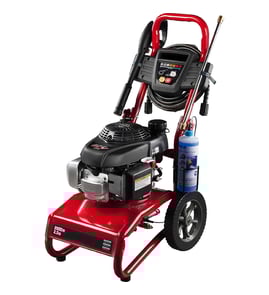
The most common issues we see with the Craftsman CMXGWAS020736 gas pressure washer are low or pulsing pressure, no detergent draw, leaks at hose connections, and spray pattern problems. These are usually caused by nozzle clogs, worn O-rings, air in the pump, or a sticking unloader valve.
Quick checks that fix most problems
- Confirm the garden hose delivers strong flow; a weak supply causes surging and low pressure.
- Purge air from the pump: connect water, squeeze the trigger until water flows steadily, then start the engine.
- Clean the nozzle tip; swap to a different tip to confirm the nozzle is the issue.
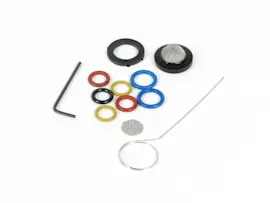
- Inspect and replace worn connection seals using the Craftsman kit-o ring 317843GS.
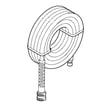
- If detergent will not siphon, check for cracks or blockage in the pressure washer chemical hose 705076.
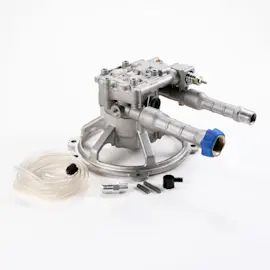
- If pressure spikes or pulses after the above checks, the unloader may be sticking; consider the briggs & stratton kit-unloader 771814.
Symptoms, likely causes, and what to do
| Symptom | Most likely cause | What we recommend |
|---|---|---|
| Low pressure | Clogged/wrong nozzle, low water supply, air in pump | Clean/swap nozzle; verify supply; purge air |
| Pressure surges (pulsing) | Air in pump, partially clogged nozzle, unloader issue | Purge air; clean nozzle; check unloader |
| Leaks at connections | Worn O-rings, loose fittings | Replace O-rings; snug fittings (do not overtighten) |
| No detergent draw | Chemical hose issue, wrong nozzle setting | Check chemical hose; use correct low-pressure soap tip |
Why it matters
Running the CMXGWAS020736 with restricted water flow, air in the pump, or leaking seals accelerates pump wear and can quickly turn a simple nozzle or O-ring fix into a larger repair.
Last updated: March 2026
What is a good PSI for a gas pressure washer?
A good PSI for a gas pressure washer depends on what you’re cleaning. For the Craftsman CMXGWAS020736 gas power washer, most homeowners get the best results in the 2,000 to 3,000 PSI range for routine jobs, and 3,000 to 4,000 PSI for tougher work when used carefully.
Recommended PSI by task
Use the lowest pressure that still cleans well; it protects paint, wood fibers, seals, and fittings.
- Cars, outdoor furniture, grills: ~1,200 to 2,000 PSI (use a wider spray pattern)
- Decks and fences (wood): ~1,500 to 2,500 PSI (keep distance to avoid gouging)
- Siding (vinyl, aluminum): ~1,800 to 2,800 PSI (avoid forcing water behind panels)
- Driveways, patios, sidewalks (concrete): ~2,500 to 3,500 PSI
- Paint stripping, heavy grime, rust prep: ~3,000 to 4,000 PSI (high risk of damage)
Quick setup tips that matter as much as PSI
PSI is only part of cleaning power; nozzle choice, distance, and flow rate (GPM) often matter more.
| What you change | What happens | Best practice |
|---|---|---|
| Nozzle spray angle | Narrower angle increases cutting power | Start wide, then step narrower |
| Distance to surface | Closer increases impact | Begin 2 to 3 feet away, move in slowly |
| Detergent use | Helps break down oils and film | Use the correct soap pickup hose |
If detergent is not drawing or you see leaks at connections, inspect the chemical pickup line and seals; a worn hose or O-ring can reduce performance. For model-matched replacements, use the pressure washer chemical hose 705076 and keep spare seals from the Craftsman kit-o ring 317843GS.
Why it matters
Using more PSI than the job needs can etch concrete, shred wood, peel paint, and push water into places it should not go. Matching PSI to the surface gives faster cleaning with fewer repairs to the pump, hose, and nozzle.
Last updated: January 2026
What kind of gas goes in a Craftsman 3000 PSI pressure washer?
For the Craftsman CMXGWAS020736 gas pressure washer, we use clean, fresh, unleaded gasoline with a minimum 87 octane (87 AKI) rating. Avoid old fuel and don’t mix oil into the gas (this is a 4-cycle engine setup).
Fuel type and what to avoid
Use regular unleaded fuel and keep it simple. These fuel choices help prevent hard starting, surging, and carburetor varnish.
- Use unleaded gasoline, 87 AKI or higher
- Use fresh fuel (don’t use gas that has been sitting for months)
- Avoid contaminated fuel (water, dirt, rust)
- Avoid high-ethanol blends when possible (they can cause storage and running issues)
- Never use diesel or mixed 2-cycle fuel
Quick checklist before you fill the tank
These steps reduce no-start and low-power complaints on gas power washers.
- Shut the engine off and let it cool before refueling
- Fill outdoors, away from ignition sources
- Use a clean fuel can and a funnel to prevent debris in the tank
- Don’t overfill; leave room for expansion
- If the unit will sit, run it dry or treat fuel for storage
Gas vs. oil (common confusion)
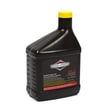
This Craftsman pressure washer uses gasoline in the fuel tank and engine oil in the crankcase. If you need the correct oil type for routine maintenance, we recommend using briggs & statton lawn & garden equipment 4-cycle engine oil, sae30, 18-oz 100005.
| Fluid | Where it goes | What to use |
|---|---|---|
| Gasoline | Fuel tank | Unleaded, 87 AKI minimum |
| Engine oil | Crankcase | SAE 30 4-cycle engine oil |
Why it matters
Using the right gasoline helps the engine start easier, run smoother under load, and reduces fuel-system problems that can lead to poor pressure and inconsistent spray at the nozzle.
Last updated: January 2026