

Are canister vacuums outdated?
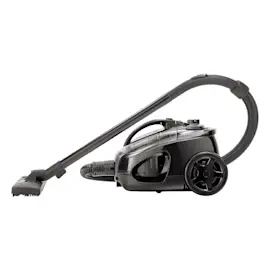
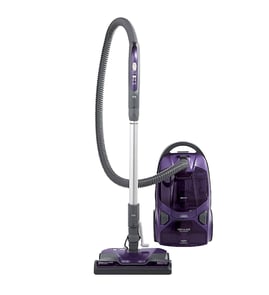
Canister vacuums are not outdated; they are still a practical choice for many homes. For a Kenmore canister vacuum like model 11621614012, the canister design remains popular because it is versatile on hard floors, reaches under furniture easily, and can deliver strong suction with the right attachments.
Why people still choose canister vacuums
- Better reach for stairs, upholstery, and tight spaces using the hose and wand
- Easier to clean under beds and low furniture because the power nozzle is separate from the canister
- Often quieter at the handle because the suction motor is in the canister body
- Strong performance on hard floors with the right floor tool
- Good option for homes that need above-floor cleaning (curtains, vents, corners)
When a canister vacuum can feel “outdated”
Some shoppers prefer uprights or cordless stick vacuums because they are simpler to store and quicker to grab. A canister can feel less convenient if the hose, wand, or power head needs maintenance.
Common canister pain points (and what to check)
- Low suction: check for clogs in the hose, wand, and nozzle; replace full bags or clean filters
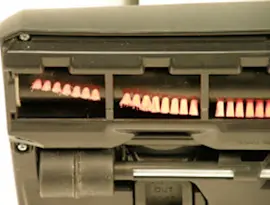
- Brush roll not spinning: check the belt, brush roll, and power nozzle for hair or thread buildup
- Hard to push on carpet: check nozzle height setting and clean the brush roll
Quick comparison
| Feature | Canister vacuum (like 11621614012) | Upright vacuum |
|---|---|---|
| Stairs and above-floor cleaning | Excellent | Good with hose tools |
| Under-furniture reach | Excellent | Fair |
| Storage and “grab-and-go” | Fair | Good |
| Carpet deep cleaning | Very good with power nozzle | Very good |
Why it matters
The “best” vacuum is the one that matches your flooring and cleaning habits. If you do a lot of hard-floor cleaning, stairs, or upholstery, a canister vacuum is still one of the most effective formats.
For maintenance and troubleshooting steps that keep a canister performing like new, use our vacuum repair-guides landing page.
Last updated: January 2026
How long do canister vacuums last?
A Kenmore canister vacuum like model 11621614012 typically lasts 7 to 10 years with normal household use. With consistent maintenance (clean airflow, fresh filters, and timely belt and brush care), many canister vacuums run 10 to 15 years.
Typical lifespan by use and care
- Light use (1 to 2 times/week): often 10 to 15 years
- Average use (2 to 4 times/week): often 7 to 10 years
- Heavy use (daily, pets, large home): often 5 to 8 years
- Poor maintenance (clogs, dirty filters): shortened life, sometimes 3 to 6 years
What usually wears out first
Most “end of life” problems are really wear items or airflow issues. Check these first:
- Filters (restricted airflow overheats the motor)
- Hose, wand, or nozzle clogs
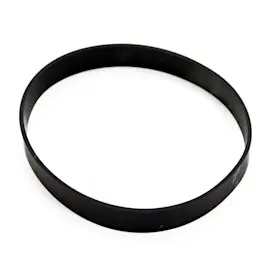
- Power nozzle belt (brush roll stops or slips)
- Brush roll bearings or end caps (noisy, stiff brush)
- Cord reel or power switch (intermittent power)
Quick checks that extend vacuum life
- Empty the bag or bin before it is packed full.
- Clean or replace filters on a schedule.
- Clear clogs from the hose, wand, and power head.
- Remove hair and string from the brush roll.
- Replace worn belts before they start slipping.
Maintenance schedule (simple guide)
| Task | Typical timing | What you’ll notice if overdue |
|---|---|---|
| Check for clogs | Monthly | Weak suction, higher pitch sound |
| Clean brush roll | Monthly | Brush roll slows, burning smell |
| Replace/clean filters | Every 3 to 6 months | Hotter running, dust smell |
| Inspect belt | Every 6 to 12 months | Brush roll not spinning well |
Why it matters
Canister vacuums rely on steady airflow to cool the suction motor. Keeping filters clean and passages clear reduces heat and strain, which is the biggest factor in how long a vacuum lasts.
For step-by-step maintenance and common fixes, use our vacuum repair-guides landing page.
Last updated: January 2026
What are the disadvantages of a canister vacuum?
Canister vacuums like the Kenmore 11621614012 clean very well, but the tradeoff is convenience: the separate canister, hose, and wand take more effort to move, store, and use for quick pickups, especially in tight spaces or on thick carpet.
Common disadvantages (what owners notice most)
- Bulkier storage: the canister body plus hose and wand can be awkward in closets.
- More to maneuver: you pull the canister behind you, which can bump furniture, door frames, or baseboards.
- Less “grab-and-go”: setup (plug in, attach wand/tool, position canister) can feel slower than an upright.
- More bending: many controls, bag access, and filter access are on the canister body.
- Hose and wand management: kinks, twists, and tool changes can interrupt cleaning.
- Carpet push effort can be higher: on plush carpet, the power nozzle can feel harder to push if airflow is restricted.
Quick comparison: canister vs upright
| Feature | Canister vacuum | Upright vacuum |
|---|---|---|
| Storage footprint | Larger, multiple pieces | Usually one main piece |
| Maneuvering | Canister trails behind | All-in-one steering |
| Stairs | Often easier (carry canister) | Often heavier to lift |
| Quick cleanups | Slower setup | Faster grab-and-go |
What to do if the “downsides” are bothering you
- Keep the hose and cord loosely coiled to reduce kinks and tangles.
- Clear clogs early; restricted airflow makes the nozzle harder to push and reduces pickup.
- Use the right tool for the surface (bare-floor tool vs power nozzle) to avoid scatter and drag.
- Maintain filters and bags/bins on schedule to keep suction strong.
Why it matters
Most canister complaints trace back to handling and airflow: when suction drops (full bag/bin, clogged hose, dirty filter), the vacuum feels harder to use and performs worse. Our tips for caring for a vacuum cleaner help prevent the most common frustration points.
Last updated: January 2026
What is the very best canister vacuum?
The “best” canister vacuum depends on what you need most: deep-cleaning power, allergy-grade filtration, durability, or value. For many homes, a premium bagged canister with sealed HEPA filtration is the top overall choice; for Kenmore owners, the goal is matching performance and features to your floors and maintenance style.
What to look for when choosing the best canister vacuum
- Bagged vs. bagless: Bagged models usually control dust better and keep suction more consistent.
- Filtration: Sealed HEPA systems are best for allergies and fine dust.
- Power nozzle vs. straight suction: A motorized power head is best for carpet; straight suction is great for hard floors.
- Maneuverability: Swivel hose, lightweight wand, and stable canister wheels reduce fatigue.
- Parts support: Easy access to belts, brush roll, filters, and bags keeps the vacuum performing like new.
Quick comparison: which “best” fits your home?
| If your priority is… | Best match | Why it wins |
|---|---|---|
| Allergies, pet dander | Bagged + sealed HEPA | Cleaner emptying and better fine-dust control |
| Mostly carpet | Canister with power nozzle | Better agitation and pickup |
| Mostly hard floors | Straight suction + floor brush | Quieter, less scatter |
| Long-term durability | Premium build | Better materials and serviceability |
| Lowest cost | Value canister | Solid cleaning with fewer features |
How this applies to Kenmore model 11621614012
If you already own Kenmore model 11621614012, the “best” upgrade is often restoring like-new performance first: clear airflow restrictions, keep filters clean, and make sure the power nozzle brush roll and belt are in good shape. Our vacuum repair-guides landing page walks through the most common fixes and maintenance checks.
Why it matters
A canister vacuum can feel “weak” even when the motor is fine; airflow losses (clogs, dirty filters, worn brush roll or belt) reduce pickup far more than most people expect.
Last updated: January 2026