Owner’s manual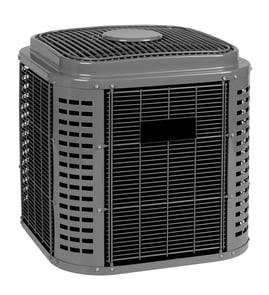



How to find AC parts?
To find the right replacement parts for your Icp central air conditioner model H2A330GKA100, match parts by the exact model number on the unit data plate, then use the model parts list to select the correct component (such as a contactor, control board, or service valve) for your specific repair. See the owner's manual for model-specific wiring and service details.
Step-by-step: how we recommend finding the correct part
- Confirm the model number is H2A330GKA100 (use the outdoor unit rating/data label).
- Identify the failed system area: electrical controls, refrigerant service components, or wiring.
- Use the parts list for H2A330GKA100 to choose the exact match by part name and ID.
- Cross-check symptoms with basic diagnostics (for example, thermostat demand signal issues, loose wiring, or a failed contactor).
- If you are doing electrical testing, use a meter correctly and safely before ordering parts.
Common parts customers replace on H2A330GKA100
If your outdoor unit will not start, short-cycles, or has intermittent cooling, these parts are common suspects:
| Symptom | What to check first | Example part for this model |
|---|---|---|
| Outdoor unit will not run | Contactor and low-voltage control signal | Central air conditioner contactor 1172472 |
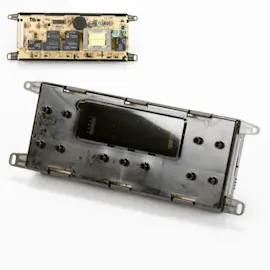
| Intermittent operation or fault behavior | Control board connections and diagnostics | Central air conditioner condenser electronic control board 1088977 |
| Burnt, loose, or damaged wiring | Harness and terminals | Harness ay 1173920 |
Why the model number matters (and what to verify)
Central air conditioner parts are not universal. Even within Icp equipment, electrical controls and refrigerant service components can vary by series and build. Using H2A330GKA100 ensures you get the correct control board, contactor, and wiring harness for the condenser.
Safety and compatibility notes we follow
- Turn off power at the disconnect before opening the condenser electrical panel.
- Keep airflow clear around the outdoor unit; restricted airflow can cause high pressure issues.
- Refrigerant work (service valves, charge adjustments, leak checks) requires proper tools and procedures.
- If your system uses a TXV metering device, the indoor coil and outdoor unit should be a certified match; the owner's manual covers TXV and line set guidance.
Last updated: February 2026
What AC parts are most commonly replaced?
For the Icp H2A330GKA100 central air conditioner, the most commonly replaced parts are the electrical starting and control components (like the contactor and control board) plus airflow-related items (fan components) and refrigerant-circuit service parts. These parts take the most wear from heat, vibration, and frequent cycling; see the owner's manual for model-specific operation and diagnostics.
Most common replacements (and what they do)
- Contactor: switches high voltage to the compressor and outdoor fan when the thermostat calls for cooling.
- Control board/diagnostics module: monitors operation and can signal faults (some models use Comfort Alert style diagnostics).
- Wiring and connectors: harnesses, terminals, and lugs can loosen or corrode and cause intermittent operation.
- Service valves and refrigerant-side valves: used for service and charging; leaks or damaged valve cores can cause low charge.
- Indoor airflow items (system-level): air filter and blower-related issues commonly cause coil icing and poor cooling.
Parts on this model that are commonly replaced
These are common “fix it” parts we see for H2A330GKA100 when the outdoor unit will not start, short-cycles, or runs intermittently:
| Symptom you notice | Common suspect part | Example part on this model |
|---|---|---|
| Outdoor unit will not start (no click) | Contactor or control issue | Central air conditioner contactor 1172472 |
| Intermittent operation, odd fault behavior | Control board/diagnostics | Central air conditioner condenser electronic control board 1088977 |
| Random shutoffs, intermittent call for cooling | Loose/broken wiring | Harness ay 1173920 |
| Service/charging problems at outdoor unit | Valve/service valve | Service valve 1185864 |
Quick checks that point to a “common replacement”
- Thermostat call present: on a call for cooling, the thermostat typically energizes R-Y (outdoor) and R-G (indoor blower).
- Listen for the contactor: a solid “click” at the outdoor unit usually indicates the contactor is pulling in.
- Look for airflow problems: weak indoor airflow can lead to a frozen evaporator coil and poor cooling.
- Check coil cleanliness: blocked condenser coil airflow can cause high-pressure problems and shutdowns.
- Inspect wiring: loose spade terminals and rubbed-through wires are common causes of intermittent faults.
Why it matters
Replacing the right “high-failure” part first (contactor, control board, wiring harness, or service valve) reduces repeat breakdowns and helps protect expensive components like the compressor.
Last updated: February 2026
Can I replace AC spare parts myself?
Yes, you can replace some parts on your Icp central air conditioner model H2A330GKA100 yourself, but only if the job is electrical-only and you can safely shut off all disconnects. Any work that opens the refrigerant system (service valves, line set, coil connections) should be handled by a qualified technician.
What you can usually do yourself (safer DIY)
- Replace a failed contactor (with power fully disconnected)
- Inspect and tighten obvious loose wire connections (no burned terminals)
- Replace a damaged wiring harness if it is a direct swap
- Clear debris around the outdoor unit and maintain airflow clearance
- Basic visual checks for burned wires, loose lugs, or pest damage
For wiring diagrams, safety notes, and start-up steps, use the owner's manual.
What we do not recommend as DIY on H2A330GKA100
The manual notes the unit ships with a factory refrigerant charge and the service valves stay closed until evacuation and leak checks are complete. That means these tasks are not DIY-friendly:
- Opening or disturbing service valves
- Brazing, evacuating, or leak testing refrigerant lines
- Adjusting refrigerant charge
- Any repair involving the sealed refrigerant circuit
Parts on this model that are common DIY replacements
If your symptoms point to an electrical control issue, these parts are commonly involved:
| Symptom | Common suspect part | What you might notice |
|---|---|---|
| Outdoor unit will not start | Central air conditioner contactor 1172472 | No condenser fan or compressor, thermostat calling for cooling |
| Intermittent operation, odd behavior | Central air conditioner condenser electronic control board 1088977 | Random shutoffs, no response, diagnostic-related issues |
| Melted/brittle wiring | Harness ay 1173920 | Burn marks, loose terminals, damaged insulation |
Safety steps that matter before you start
- Turn OFF the main (remote) electrical disconnect; some systems have more than one disconnect
- Confirm power is off with a meter before touching wiring
- Wear safety glasses and work gloves; sheet metal edges are sharp
- Take a photo of all wire locations before removing anything
- Restore panels and covers before re-energizing the unit
Why it matters
Central AC repairs can involve high voltage and a sealed refrigerant charge. Staying in the “electrical-only, power-off” lane helps you avoid shock hazards and prevents accidental refrigerant loss that can turn a small repair into a major service call.
Last updated: February 2026
What is the most expensive part to replace on an AC unit?
For an Icp central air conditioner like model H2A330GKA100, the most expensive repair is the sealed-system compressor job. The compressor itself is a high-cost component, and the total price climbs because the work includes refrigerant recovery, evacuation, and recharging.
What usually drives the highest cost
Compressor-related repairs cost the most because they combine an expensive part with specialized sealed-system labor.
Common big-ticket items include:
- Compressor replacement (sealed-system repair plus refrigerant handling)
- Refrigerant leak repair (leak search, repair, evacuation, recharge)
- Condenser coil replacement (if leaking or physically damaged)
- Electrical troubleshooting time when a failure causes multiple symptoms
- Multiple component replacement after repeated hard-start or short-cycling issues
High-impact electrical parts listed for H2A330GKA100
These parts are typically less expensive than a compressor repair, but they can still be significant and are common failure points in the outdoor unit’s control circuit.
- Central air conditioner condenser electronic control board 1088977
- Central air conditioner contactor 1172472
- Harness ay 1173920
Quick cost-and-complexity comparison
| Repair area | Why it gets expensive | Typical outcome if ignored |
|---|---|---|
| Compressor and sealed system | Refrigerant work plus major component | No cooling, breaker trips, repeated shutdowns |
| Control board and controls | Diagnostic time plus electronics | Erratic operation, no response to thermostat |
| Contactor and wiring | Moderate parts cost, simpler labor | Outdoor unit will not start or chatters |
Why it matters
The compressor is the “heart” of the refrigeration cycle; when it is stressed by low airflow, incorrect charge, or electrical issues, the repair often expands beyond a single part.
What we recommend before approving a major repair
Follow the start-up, sequence of operation, and troubleshooting guidance in the H2A330GKA100 manual.
- Confirm the thermostat is calling for cooling (R to Y signal)
- Verify disconnect and breaker are on; check for blown fuses
- Inspect the contactor for pitted or stuck contacts
- Check condenser coil and fan for airflow restrictions
- If equipped with diagnostics, read any alert codes before replacing parts
Last updated: February 2026