Error Codes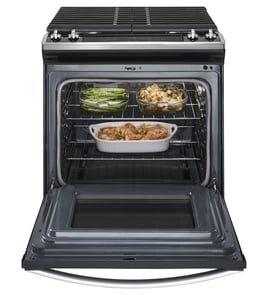





What is the advantage of a 36 range?
A 36-inch range like the Viking VGIS36 gives you more usable cooktop space than a standard 30-inch range, so you can run multiple pots and pans at once with less crowding. It also typically adds burner capacity and larger oven/cooktop features that make big-meal cooking easier.
Key advantages you notice day to day
- More room between burners so large skillets and stockpots fit without bumping handles
- Better multitasking for boiling, sautéing, simmering, and warming at the same time
- More flexibility for entertaining and holiday cooking when you need several dishes going
- A larger overall platform that often pairs well with bigger cookware and griddles (when equipped)
What to plan for before upgrading
A 36-inch gas range is a bigger appliance, so the main “advantage” only pays off if your kitchen setup supports it.
- Measure the cabinet opening and surrounding clearances before you commit
- Confirm your gas supply and shutoff location are accessible
- Plan ventilation; higher-output cooking benefits from a properly sized hood
- Expect a heavier unit; moving and leveling can take two people
Quick comparison: 30-inch vs 36-inch ranges
| Feature | Typical 30-inch range | Typical 36-inch range (like VGIS36) |
|---|---|---|
| Cooktop working space | Standard | Wider, less crowded |
| Number of burners | Often 4 to 5 | Often 5 to 6 |
| Best for | Everyday cooking | Frequent multitasking, larger meals |
| Install needs | Common cutout | Larger cutout, stronger ventilation planning |
Why it matters
More space is not just about size; it reduces heat overlap and crowding, which helps with control and timing when you are cooking multiple items. If your current range feels cramped, a 36-inch platform is one of the most noticeable upgrades.
If you are also refreshing worn controls while upgrading your cooking setup, common cosmetic replacements for the VGIS36 include the range surface burner knob PA010037.
Last updated: February 2026
Is it better to have a gas or electric range?
For most cooks, neither gas nor electric is universally “better”; it depends on how you cook and what you value. Since the Viking VGIS36 is a gas range, you get fast burner response and strong high-heat performance, while electric (especially induction) typically wins for even baking and easier cleanup.
Quick comparison: gas vs electric
| Feature | Gas range (like VGIS36) | Electric radiant | Induction electric |
|---|---|---|---|
| Cooktop heat response | Very fast, easy to adjust | Slower to change | Very fast |
| Simmer control | Usually very good | Varies by model | Excellent |
| Oven heat consistency | Good, can vary | Typically very even | Typically very even |
| Cleanup | Grates and burner parts | Smooth top wipes easier | Smooth top wipes easiest |
| Power needs | Gas supply (plus electricity for ignition) | 240V electric | 240V electric |
When a gas range is the better choice
A gas range is usually the best fit if you:
- Sear often and want high heat quickly
- Like instant flame changes for sautéing and simmering
- Use cookware of all types (no magnet requirement)
- Prefer a traditional burner layout with grates
- Want strong performance during frequent, hands-on cooking
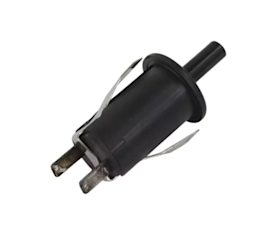
If your VGIS36 has burners that click but do not light reliably, common culprits include the igniter circuit and spark control components such as the Viking range range surface burner igniter switch PA020011 or a spark module.
When electric (radiant or induction) is the better choice
Electric is usually the better fit if you:
- Bake a lot and want very steady oven temperatures
- Want the easiest day-to-day cooktop cleanup
- Prefer a cooler kitchen (no open flame)
- Want top efficiency and speed (induction)
- Are remodeling and already have 240V electrical service available
Why it matters
Choosing gas vs electric affects more than cooking feel; it also impacts installation requirements, long-term maintenance, and which parts tend to wear. For example, gas ranges commonly need ignition-related parts over time, while electric ranges more often need surface elements or electronic controls.
Last updated: February 2026
What are common problems with Viking ranges?
Common problems on the Viking VGIS36 gas range include surface burners that click but do not light, weak or uneven flames, oven temperature that runs hot or cold, and oven doors that sag or do not close tightly. Many issues start with cleaning and basic checks, but gas and ignition repairs often involve replacing parts.
Most common symptoms we see
- Burner keeps clicking after ignition or will not ignite at all
- Burner flame is uneven, yellow, or lifts off the burner
- Oven takes too long to preheat or bakes unevenly
- Oven temperature drifts (food undercooks or overbrowns)
- Knobs slip, crack, or do not turn smoothly
- Oven door drops, won’t stay aligned, or leaks heat
Quick checks you can do first
- Clean burner caps and ports; dried spills commonly block gas flow
- Dry the cooktop area fully; moisture can cause constant sparking
- Confirm the burner cap is seated correctly and centered
- Try a different burner position (to isolate a burner vs. ignition circuit issue)
- For oven issues, verify the control is set correctly and allow a full preheat
Parts that commonly solve these problems (when cleaning is not enough)
| Problem | Likely area | Example part for VGIS36 |
|---|---|---|
| Burners click but won’t light | Ignition switch or spark system | Range surface burner igniter switch PA020011 |
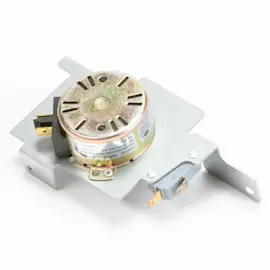
| Oven temperature inaccurate | Oven thermostat/control | Range oven control thermostat PB010035 |
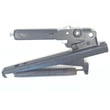
| Oven door sagging or not sealing | Door hinge | Range oven door hinge PC020003 or range oven door hinge PC020007 |
| Knob cracked or slipping | Control knob | Range oven temperature knob PB010099 |
Why it matters
Ignition and flame problems can lead to delayed lighting, soot, and poor cooking performance. Oven temperature and door-seal issues waste heat and make baking inconsistent. Fixing the root cause helps your Viking range cook evenly and operate more reliably.
Last updated: February 2026
Why are 36 ranges so expensive?
A 36-inch range like the Viking VGIS36 typically costs more because it is built as a heavier-duty, higher-output cooking platform: more metal, larger burners and oven components, stronger gas and ignition systems, and premium fit and finish. Those design choices raise both manufacturing and replacement-part costs.
What you are paying for in a 36-inch pro-style range
- More cooking power: higher-BTU surface burners and larger gas delivery components.
- Heavier construction: thicker panels, sturdier grates, and more robust door hardware.
- Bigger heat management: larger oven cavity and more shielding/insulation to control heat.
- More complex ignition and controls: spark systems, switches, thermostats, and valves.
- Premium serviceability: parts are often model-specific and built to tighter tolerances.
Parts that commonly reflect “pro-style” build cost
On the VGIS36, these examples show the type of components that tend to be more substantial (and priced accordingly):
| System | Example part | What it does | Why it can add cost |
|---|---|---|---|
| Oven door | Range oven door hinge PC020003 | Supports and balances the oven door | Heavy door loads require stronger hinge design |
| Gas control | Oven gas valve PB010084 | Regulates gas flow to the oven burner | Precision gas control and safety design |
| Ignition | Range surface burner igniter switch PA020011 | Triggers spark for burner ignition | Multiple switches and wiring add complexity |
Why it matters
A 36-inch range is often a long-term kitchen centerpiece. The same features that make it feel “commercial” at home (power, durability, temperature stability) also mean higher upfront cost and higher-cost components when repairs are needed.
Smart ways to protect your investment
- Keep burner ports and igniters clean and dry to reduce mis-ignition.
- Avoid slamming the oven door; it stresses hinges and alignment.
- If a burner keeps clicking, address it early (often moisture, a dirty electrode, or a failing switch).
- Use the correct knob settings and avoid forcing knobs past stops.
- When ordering parts, match by model VGIS36 and the exact part ID.
Last updated: February 2026
What is the difference between a 30 inch and 36 inch gas cooktop?
A 36-inch gas cooktop gives you more usable burner space than a 30-inch cooktop, so you can run more pots at once and fit larger cookware more comfortably. For a Viking VGIS36 range, the 36-inch size typically matches the appliance width and cooking layout.
Key differences that affect day-to-day cooking
- Cooking capacity: 36-inch layouts usually allow more simultaneous pan use with less crowding.
- Burner spacing: More distance between burners helps prevent handles and pans from bumping.
- Kitchen fit: 30-inch units fit standard cutouts more often; 36-inch units need a wider cutout and more counter space.
- Ventilation needs: A wider cooking surface often benefits from a larger or higher-CFM range hood.
- Cost and parts: 36-inch models often cost more and can use larger, model-specific components.
Quick comparison
| Feature | 30-inch gas cooktop | 36-inch gas cooktop |
|---|---|---|
| Best for | Smaller kitchens, lighter multitasking | Frequent multitasking, larger cookware |
| Pan crowding | More likely | Less likely |
| Typical install impact | More standard cabinetry fit | More cabinetry and countertop planning |
What this means for your Viking VGIS36
Because the VGIS36 is a 36-inch gas range, choosing a 36-inch cooking surface generally supports the intended burner layout and spacing for that platform. If you are comparing appliances for a remodel, measure your opening and confirm clearances before committing to a size.
Why it matters
Cooktop width directly affects how comfortably you can cook with multiple burners at once, how well heat and steam are captured by ventilation, and how smoothly your cookware fits without interference.
If you are repairing or refreshing your VGIS36 controls, common cosmetic and control parts include the range surface burner knob PA010037 and the range oven temperature knob PB010099.
Last updated: February 2026