Error Codes


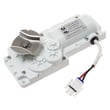


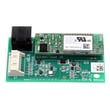
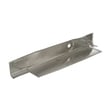
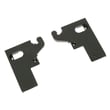
How to remove bottom grille on GE refrigerator?
On the GE CYE22TP2MIS1 bottom-mount refrigerator, the bottom grille (base grille or toe grille) typically comes off by removing any retaining screws (if present) and then pulling the grille straight out to release the clips. This gives you access for cleaning and basic service checks.
Steps to remove the bottom grille
- Unplug the refrigerator or switch off power at the breaker (recommended for safety).
- Look along the top edge or ends of the grille for Phillips-head screws.
- If screws are present, remove them and set them aside.
- Grip the grille near both ends and pull straight toward you to pop it off the retaining clips.
- If it feels stuck, pull evenly from both sides to avoid cracking the plastic tabs.
- Reinstall by lining it up and pushing it back in until it snaps; reinstall screws if your grille uses them.
Quick troubleshooting if it will not come off
- No visible screws: It is likely clip-in only; pull straight out, not up.
- Grille flexes but will not release: Check for hidden screws at the ends or behind a small cap.
- Tabs keep popping back in: Pull from both corners at the same time.
- You need more clearance: Open both fresh food doors fully so you can grip the grille evenly.
What you can do while the grille is off
| Task | What to check | Why it helps |
|---|---|---|
| Clean condenser area | Dust and pet hair buildup | Improves airflow and cooling efficiency |
| Check for water | Moisture or a small puddle | Helps catch drain or dispenser leaks early |
| Listen for noises | Fan or vibration sounds | Helps pinpoint airflow or mounting issues |
Why it matters
A properly seated bottom grille protects components, supports correct airflow, and makes routine cleaning easier. If the grille is loose or broken, it can rattle and reduce ventilation at the front of the refrigerator.
Related help: how to get rid of refrigerator puddles
Last updated: January 2026
Are bottom mount fridges better?
Bottom-mount refrigerators are better for many households because the fresh-food section sits at eye and waist level, so everyday items are easier to see and reach. For a GE bottom-mount model like CYE22TP2MIS1, this layout typically improves convenience without sacrificing freezer capacity.
What “better” usually means in real use
Bottom-mount designs tend to fit how most people cook and snack: you open the refrigerator more often than the freezer.
Common advantages
- Easier access to fresh foods (less bending for milk, produce, leftovers)
- Better organization for refrigerator shelves and drawers
- Freezer drawer can hold bulky items (pizza boxes, bags of frozen food)
- Often feels more ergonomic for daily use
Common tradeoffs
- Freezer items can be harder to see (stacked in a deep drawer)
- Ice bin access may require opening the freezer drawer on some setups
- If the freezer is heavily used, you may bend more often than with a top-freezer
Quick comparison: bottom-mount vs top-freezer
| Feature | Bottom-mount | Top-freezer |
|---|---|---|
| Fresh-food access | Best | Good |
| Freezer visibility | Fair | Best |
| Ergonomics for daily use | Best | Good |
| Typical price | Higher | Lower |
When a bottom-mount is the best choice
A bottom-mount is the right pick when:
- You cook often and use fresh ingredients daily
- You want better visibility of refrigerated foods (less waste)
- You prefer wide refrigerator shelves for platters and meal prep
Why it matters
Layout affects how often food gets forgotten, how comfortable the refrigerator is to use, and how quickly you can find items. If you open the refrigerator section far more than the freezer, a bottom-mount design usually feels like an upgrade.
Helpful related DIY content
If your decision is tied to day-to-day usability (like alarms and door sealing), our guide on how to reset the door alarm on a GE refrigerator helps you keep the doors closed properly and temperatures stable.
Last updated: January 2026
What is the most common problem with a GE refrigerator?
The most common problem we see with GE refrigerators (including model CYE22TP2MIS1) is poor cooling: the fresh food section gets warm, the freezer temperature drifts, or temperatures swing. The most frequent causes are airflow restrictions, dirty condenser coils, a failing fan system, or a control and sensor issue.
Most common causes of cooling problems
- Dirty condenser coils causing weak heat removal and longer run times
- Airflow blocked by overpacked shelves, iced vents, or a stuck damper/air tower
- Evaporator fan issues (noisy, intermittent, or not running) reducing cold air circulation
- Defrost system trouble leading to frost buildup and restricted airflow
- Temperature sensing or control problems, such as a bad sensor or main control board
Quick checks we recommend first
- Confirm settings: refrigerator about 37°F, freezer about 0°F.
- Clean condenser coils and make sure the unit has proper ventilation.
- Check door closing and sealing; warm air leaks create frost and temperature swings.
- Listen for fans: you should typically hear airflow when the compressor is running.
- Look for heavy frost on the back wall inside the freezer (a strong defrost clue).
Parts that commonly relate to “not cooling” symptoms
If basic cleaning and airflow checks do not help, these model-compatible parts are often involved:
| Symptom | Common suspect | Example part for CYE22TP2MIS1 |
|---|---|---|
| Temps swing, false warm alarms | Temperature sensing | Refrigerator temperature sensor WR55X10025 |
| Random cooling issues, dead display, odd behavior | Electronic control | Main board asm reflashed WR55X46805 |
| Compressor hums but struggles to start | Start device/capacitor | Combo device WR07X10131 |
Why it matters
Cooling problems can spoil food quickly and also force the compressor to run harder than normal. Catching airflow, coil, or sensor issues early often prevents bigger failures and keeps temperatures stable.
Related DIY help
Last updated: January 2026