


How much does a PR450N20S-96112013001 weigh?
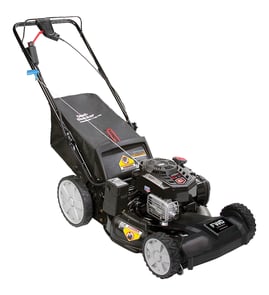
The Poulan PR450N20S-96112013001 walk-behind gas mower weighs 58.1 lb (base/dry weight). The weight you handle during loading can be higher once you add fuel, oil, and any grass buildup under the deck.
- Fuel in the tank adds weight quickly
- Engine oil adds a small amount
- Wet clippings packed under the deck add weight
- A bagger (if installed) and clippings in the bag add weight
- Mud and debris stuck to wheels and deck add weight
| What you’re measuring | Typical result |
|---|---|
| Base/dry mower weight (PR450N20S-96112013001) | 58.1 lb |
| Ready-to-mow weight | Higher than base |
| After mowing wet grass | Higher than base |
Knowing the correct weight helps you choose a safe ramp or lift method, prevents handle and deck damage during transport, and reduces the chance of injury when loading the mower into a vehicle.
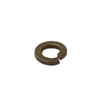
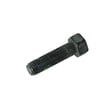
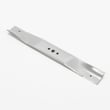
If you remove the blade for transport or maintenance, use the correct blade mounting parts for this model:
For safer blade removal technique, follow: lawn mower blade removal tool.
Last updated: February 2026
What engine does PR450N20S-96112013001 use?
The Poulan PR450N20S-96112013001 is a gas walk-behind mower, and the exact engine make and model is determined by the engine ID label mounted on the engine (not by the mower deck model number alone). We use that engine ID to match the correct tune-up and starting parts.
Look for an engine label or stamped code on the engine itself (commonly on the blower housing, valve cover area, or near the muffler heat shield). Write down the full set of numbers and letters.
- Clean the label area so the characters are readable
- Record the full engine model, type, and code (or spec) exactly as shown
- If the label is missing, look for a stamped code on the metal shroud
- Use the engine ID (not just PR450N20S-96112013001) when selecting ignition and fuel parts
- If you are diagnosing a no-start, start with spark, fuel, and compression checks
If the mower ran last season and now will not start, stale fuel and ignition wear are the most common causes.
- Drain old gas and refill with fresh fuel
- Check the spark plug condition and spark
- Inspect the air filter and replace if dirty
- Verify the blade is not jammed (a jam can make the starter feel locked)
- Check the zone control cable adjustment if the engine will not fire
| Symptom | Most likely cause | What to check first |
|---|---|---|
| Pull cord is hard to pull | Blade obstruction or engine issue | Blade area, then recoil |
| Starts then dies | Fuel delivery problem | Fresh gas, carburetor, vent |
| No pop or sputter | Ignition or safety control | Spark, zone control cable |
Once you have the engine ID, we can help you match the right control and starting components used on this mower platform.
- Murray lawn mower zone control cable 532440934 (engine stop and operator presence control)
- Husqvarna lawn mower starter rope guide t-knob 581912601 (starter handle/rope routing hardware)
Poulan used multiple engine suppliers and variations across production runs. Matching parts by the engine’s model and spec prevents ordering the wrong carburetor, ignition module, or tune-up parts.
For step-by-step help if the recoil will not pull, use our DIY guide: lawn mower pull cord stuck.
Last updated: February 2026
What is the average lifespan of PR450N20S-96112013001?
A Poulan walk-behind gas mower like model PR450N20S-96112013001 typically lasts 8 to 12 years with normal residential use and routine maintenance. Blade impacts, dirty fuel, and neglected oil changes shorten life; regular tune-ups and timely part replacement extend it.
- Light use (small yard, weekly in-season): 10 to 12 years
- Average use (mixed conditions): 8 to 10 years
- Heavy use (rough terrain, long seasons): 5 to 8 years
Most “end of life” mower problems are really wear items that are economical to replace:
- Blade mounting parts (adapter, bolt, washers)
- Control cable and handle controls
- Discharge guard and deflector hardware
- Height adjuster components
- Fasteners that loosen, strip, or corrode
If you have vibration, uneven cut, or repeated blade loosening, inspect the blade mounting stack and replace worn pieces as needed. For this model, common related parts include:
- Lawn mower blade adapter 581547901 (connects blade to the crankshaft)
- Blade.20.mulch.(50dk,6020md) 532145106 (cutting blade)
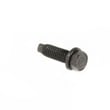
- Lawn mower bolt 596203801 (blade bolt)
- Change engine oil on schedule; keep the oil at the correct level.
- Use fresh fuel and stabilize fuel before storage.
- Keep the underside of the deck clean to prevent corrosion and poor airflow.
- Sharpen or replace the blade when the cut quality drops.
- Tighten blade hardware to the correct torque and recheck after the first mow.
Lifespan is driven more by maintenance and impact damage than by the mower’s age. A worn blade adapter or loose blade hardware can cause vibration that accelerates wear on the crankshaft, deck, and controls.
Last updated: March 2026