Owner’s manual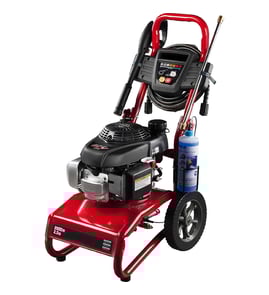



Can you put 87 gas in a pressure washer?
Yes. For the Craftsman 580754880 gas pressure washer, we use clean, fresh unleaded gasoline with a minimum rating of 87 octane (87 AKI). Gasoline with up to 10% ethanol (E10) is acceptable; do not use E15 or E85. See the fuel requirements in the owner's manual.
Fuel to use (and what to avoid)
Use fuel that matches these basics to protect the engine and fuel system:
- Use unleaded gasoline, 87 octane (87 AKI) minimum
- Use fresh fuel (old gas can cause hard starting and surging)
- E10 (up to 10% ethanol) is OK
- Avoid E15 and E85
- Do not mix oil into the gasoline (this is a 4-cycle engine)
Quick fuel compatibility table
| Fuel type | OK to use? | Notes |
|---|---|---|
| 87 octane (E0) | Yes | Recommended minimum octane |
| 87 octane (E10) | Yes | Up to 10% ethanol is acceptable |
| 88 to 93 octane | Yes | Fine to use; not required for normal operation |
| E15 | No | Not an approved fuel for this engine |
| E85 | No | Not an approved fuel for this engine |
Safe fueling and storage tips
Fuel handling matters as much as fuel grade on a gas pressure washer:
- Shut the engine off and let it cool at least 2 minutes before refueling
- Fill the tank outdoors and do not overfill (leave room for expansion)
- If fuel spills, wait until it evaporates before starting
- Keep fuel away from sparks, pilot lights, and other ignition sources
- For storage, use a fuel stabilizer to reduce gum and varnish buildup
Why it matters
Using the correct octane and ethanol level helps prevent poor performance (hard starting, surging, stalling) and reduces the chance of fuel-system deposits that can shorten the life of your Craftsman 580754880.
Last updated: February 2026
What pressure washer is better, 3.5 gpm or 4.0 gpm?
A 4.0 GPM pressure washer is better than 3.5 GPM when you want faster cleaning because flow rate (GPM) drives rinsing power and productivity. For the Craftsman 580754880 specifically, the rated max flow is 2.7 GPM, so either 3.5 or 4.0 GPM is a step up in output compared to this model; see the owner's manual for the exact ratings.
How to choose between 3.5 GPM and 4.0 GPM
In most real-world jobs, 4.0 GPM finishes sooner and rinses more effectively, especially on large flatwork.
- Choose 4.0 GPM for big driveways, long sidewalks, siding, and frequent use
- Choose 3.5 GPM for smaller patios, cars, and occasional home use
- If you use surface cleaners, higher GPM usually improves performance
- Make sure your water supply can keep up; higher GPM machines need more inlet flow
- Match the machine to your hoses, nozzles, and accessories so you can use the output safely
Water supply requirement (often the deciding factor)
Your pressure washer can only perform well if the garden hose supply meets the minimum flow and pressure. For the Craftsman 580754880, the manual calls for a water source capable of greater than 3.7 GPM and no less than 20 PSI at the pressure washer end of the hose.
| Spec to compare | 3.5 GPM unit | 4.0 GPM unit | What to watch for |
|---|---|---|---|
| Cleaning speed | Fast | Faster | Higher GPM rinses quicker |
| Water demand | High | Higher | Supply must keep up to avoid pump issues |
| Best use | Medium-large jobs | Large jobs | Driveways, long runs, surface cleaners |
Why it matters
PSI helps break dirt loose, but GPM carries the dirt away. If you want the job done sooner with fewer passes, the higher-flow option usually wins, as long as your water supply supports it.
Last updated: February 2026
How many PSI is a Craftsman 580754880 pressure washer?
The Craftsman 580754880 gas pressure washer is rated at 3000 PSI MAX. In normal use, you will typically see lower working pressure at the spray tip depending on the nozzle selection, water supply, and pump condition; the manual also lists 2600 PSI at 2.7 GPM MAX.
PSI ratings for model 580754880
Pressure washer specs are commonly shown two ways: a maximum rating and a working rating.
| Spec style | What it means | What you can expect |
|---|---|---|
| PSI MAX | Peak pressure rating under the PWMA test standard | Best for comparing models; not constant during cleaning |
| PSI at GPM | Working pressure paired with a flow rate | More representative of real cleaning performance |
What can change the PSI you feel at the wand
If your 580754880 seems weak or surges, the issue is often setup or a pump control part rather than the engine.
- Nozzle selection or a partially clogged nozzle
- Low water supply flow (kinked hose, restrictive spigot, clogged inlet screen)
- Air in the water line (not fully primed)
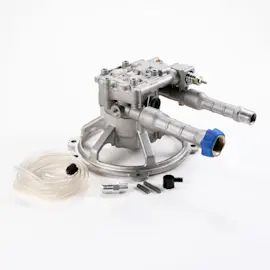
- Worn pump seals or check valves
- Unloader valve sticking or out of adjustment
Part to check when pressure surges or won’t regulate
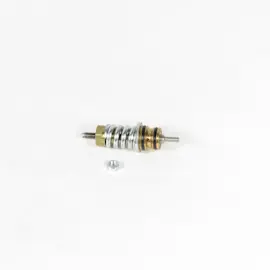
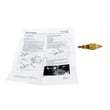
A sticking unloader can cause pressure to pulse, spike, or drop when you squeeze and release the trigger. For this model, the pump service kit listed as unloader is the pressure washer unloader valve kit 772235.
Why it matters
PSI affects how aggressively the spray removes grime, but GPM is what rinses and carries dirt away. A washer that holds steady pressure and flow cleans faster and is easier on surfaces like wood, paint, and concrete.
For the exact ratings and operating guidance for your unit, use the owner's manual.
Last updated: February 2026
Is it worth it to repair a pressure washer?
Yes, repairing a pressure washer is worth it when the problem is a maintenance item or a single replaceable part, especially on a solid unit like the Craftsman 580754880. Replacement makes more sense when the engine or pump has major internal damage and the repair cost approaches about half the price of a comparable new washer.
Quick decision checklist
- Repair if the washer starts and runs, but pressure is low, surging, or inconsistent.
- Repair if the issue is a leak at a fitting, worn O-ring, clogged inlet screen, or a damaged hose.
- Repair if routine maintenance has been skipped (oil, air filter, spark plug) and performance dropped.
- Replace if the engine has severe mechanical failure (won’t turn over, heavy knocking, seized).
- Replace if the pump is cracked or has catastrophic internal failure.
- Replace if you need multiple major components at once (pump plus engine plus hose set).
What we see most often on gas pressure washers
Many “bad pump” complaints are actually flow restrictions or pressure regulation issues. For this model, an unloader problem can cause low pressure, pressure spikes, or pulsing; the pressure washer unloader valve kit 772235 is the type of part that can restore normal pressure control when the rest of the system is in good shape.
Safety and repair limits that affect the decision
The manual is clear that some items should be replaced, not repaired:
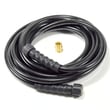
- Never repair a high-pressure hose; replace it.
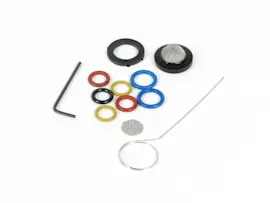
- Never seal leaking connections with sealant; replace the O-ring or seal.
- Always relieve trapped pressure at the spray gun before servicing.
For the full safety steps and maintenance schedule, follow the owner's manual.
Cost vs. value guide
| Situation | Typical best choice | Why |
|---|---|---|
| Clogged inlet screen, dirty debris, minor leaks | Repair | Low cost, fast fix, prevents overheating and wear |
| Surging or inconsistent pressure with good water supply | Repair | Often unloader or regulation related |
| Major engine failure | Replace | High labor and parts cost |
| Pump housing damage or major internal pump failure | Replace | Cost can approach a large share of a new unit |
Why it matters
A pressure washer that is maintained (clean debris, check inlet screen, keep hoses leak-free, and keep up with engine service) runs cooler, holds pressure more consistently, and lasts longer. That shifts the math strongly toward repair instead of replacement.
Last updated: February 2026