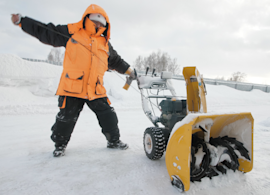
Owner’s manual
 View engine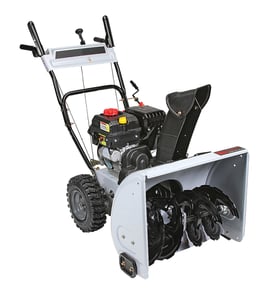




How many years should a snowblower last?
A gas snowblower like the Craftsman C950-52005-0 lasts 15 years with normal homeowner use and routine maintenance; many units reach 20 years when belts, spark plug, oil, and lubrication points are kept on schedule (see the maintenance intervals in the owner's manual).
Most two-stage, gas-powered snow blowers fall into these ranges:
- 10 years: heavy use, minimal maintenance, frequent wet or icy snow
- 15 years: typical homeowner use with seasonal maintenance
- 20 years: consistent maintenance, proper storage, timely belt and wear-part replacement
| Factor | Shortens lifespan | Extends lifespan |
|---|---|---|
| Maintenance | Skipped oil checks, worn belts left in service | Oil checks before use, seasonal adjustments |
| Storage | Fuel left untreated, corrosion | Fuel drained/treated, rust prevention |
| Snow conditions | Constant heavy, icy snow | Mixed conditions, avoiding debris pickup |
Your C950-52005-0 manual calls out regular checks and seasonal adjustments that directly impact service life. Focus on these high-impact items:
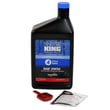
- Check engine oil before every start and keep it at the safe level
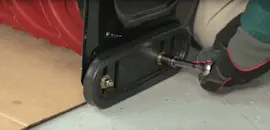
- Adjust auger and traction drive belts after the first 2 to 4 hours of use, again mid-season, and twice per season after that
- Inspect for worn or damaged parts and replace immediately (belts, spark plug, shear pins are common wear items)
- Lubricate key points and keep moving parts clean of ice and packed snow
- End-of-season storage prep: clean thoroughly, lubricate, protect bare metal, and drain or treat gasoline to prevent gum deposits
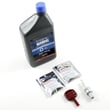
If you are doing a seasonal refresh, a kit such as the snowblower engine tune-up kit 730280 helps cover common tune-up needs in one purchase.
A snowblower usually fails early from preventable issues: low oil damage, belt slippage that overheats components, corrosion from poor storage, or debris-related wear. Staying on the manual’s schedule keeps the engine, auger, and drive system working efficiently for many winters.
You can order maintenance parts for the Craftsman C950-52005-0 from the parts list for this model, or search by model number on Sears PartsDirect.
Last updated: February 2026
How to tell the year of a Craftsman snowblower?
For a Craftsman snow blower like model C950-52005-0, the most reliable way to tell the year is to read the product identification label (model and serial) on the machine and match that information to the identification guidance in the owner's manual. If the label is missing, the engine’s model and code numbers can also help date the unit.
On most Craftsman snow blowers, the identification label is typically on the rear of the unit near the base frame (often between or near the wheels) or on the main housing.
Check these common spots:
- Rear frame between the wheels
- Back of the housing near the bottom edge
- Side of the frame near the engine mount
- Under the handle panel area (less common)
Once you have the serial number, look for a date-style pattern. Many outdoor power products use a serial format that includes a build date (often as MMDDYY or a similar sequence).
Use this quick guide:
| What you see in the serial | What it usually means | Example outcome |
|---|---|---|
| A 6-digit date block | Month, day, year | 011506 = Jan 15, 2006 |
| A longer serial with a date embedded | Date is inside the string | Find the 6-digit date-like run |
| No obvious date pattern | Use engine code or parts breakdown clues | Date via engine code format |
When the snow blower label is damaged, we use the engine identification as the next-best option because many engines include a manufacturing date code.
Do this:
- Locate the engine model/type and code numbers stamped on the engine shroud or valve cover area
- Write the full code exactly as shown
- Use the code format to determine the engine build date (this typically gets you very close to the snow blower’s build year)
Knowing the year helps you match the correct parts and specifications for your C950-52005-0, especially for maintenance items like spark plugs, belts, and friction drive components. It also helps you choose the right tune-up kit for seasonal service.
- Snowblower engine tune-up kit 730280
- Craftsman snowblower engine deluxe extreme tune-up kit 730290
- Snowblower engine extreme tune-up kit 730285
You can order replacement parts from the parts list for your model, or search by model number on Sears PartsDirect.
Last updated: February 2026
What is the most common reason snowblower won't start?
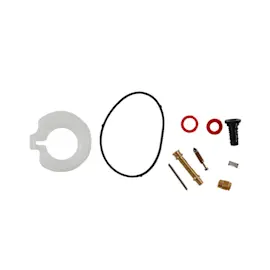
On a Craftsman C950-52005-0 gas snowblower, the most common no-start cause is fuel-related: old/stale gasoline that gums up the carburetor so the engine cannot get the right fuel mix. A fouled or loose spark plug connection is the next most common issue; our owner's manual also calls out checking that the spark plug is tight and the wire is attached.
- Confirm the ignition key is fully inserted.
- Make sure the spark plug wire is firmly seated on the plug.
- Drain old fuel and refill with fresh gasoline (avoid alcohol-blended fuel if your manual warns against it).
- Use the correct cold-start settings (choke and throttle) for the outdoor temperature.
- Verify the auger and traction levers are disengaged before starting.
| Likely cause | What you’ll notice | What typically fixes it |
|---|---|---|
| Stale fuel or varnished carburetor | Starts briefly on prime, then dies; or will not fire at all | Replace fuel, clean carburetor bowl/jets, replace fuel line if brittle |
| Spark plug issue (fouled, loose, bad gap) | No ignition “kick”; plug looks black/wet | Clean/replace plug; tighten plug and reconnect wire |
| Incorrect cold-start procedure | Hard starting in cold weather | Use choke/primer correctly; warm up engine several minutes below 0°F |
| Starter freeze-up or moisture | Recoil feels stiff after use | Follow the post-run starter-rope pulls to reduce freeze-up |
Fuel and ignition problems are the fastest to fix and prevent. Fresh fuel, a good spark plug, and correct choke/throttle settings reduce repeated pull-start attempts that can flood the engine and wash oil off cylinder walls.
If you’re doing seasonal maintenance, the parts list for this model includes tune-up kits that commonly cover ignition and fuel-upkeep items:
- Snowblower engine tune-up kit 730280
- Snowblower engine extreme tune-up kit 730285
- Craftsman snowblower engine deluxe extreme tune-up kit 730290
You can order replacement parts from the parts list for your Craftsman C950-52005-0, or search by model number on Sears PartsDirect.
Last updated: February 2026
How to tell if a snowblower auger belt is bad?
On our Craftsman snow blower model C950-52005-0, a bad (or failing) auger drive belt shows up as poor snow discharge: the auger may not turn, may stop under load, or the machine throws snow weakly. The manual directs you to check cable adjustment first, then inspect the auger belt for looseness or damage and replace it if needed; see the owner's manual.
- Auger does not turn when the auger control is engaged
- Snow discharge is weak or inconsistent
- Squealing noise when you engage the auger (belt slipping)
- Burning rubber smell after trying to blow snow
- Belt looks slack when the auger is engaged
The manual notes that if the snow blower will not discharge snow, you should check the auger control cable adjustment first. If the cable is adjusted correctly, then check the auger drive belt condition.
- Confirm the auger control lever fully engages
- Check for ice or debris binding the auger or impeller
- Verify the auger control cable has proper tension (not overly loose)
- Inspect the discharge chute for clogging (clear only with engine off)
A belt can look “okay” at a glance but still slip under load. Replace the auger belt if you see:
- Cracks across the ribs or backing
- Frayed edges or missing chunks
- Glazing (shiny, hardened surfaces)
- Oil-soaked or swollen rubber
| What you see | What it usually means | What to do |
|---|---|---|
| Cracks, fraying, missing rubber | Belt is worn out | Replace belt |
| Shiny/glazed belt | Belt has been slipping and overheating | Replace belt and check belt guides/idler |
| Belt slack when engaged | Belt stretched or idler/cable issue | Adjust cable; replace belt if loose/damaged |
A slipping auger belt reduces throwing distance and can overheat, which accelerates belt failure and can leave you with a snow blower that will not discharge snow when you need it most.
If you are doing seasonal maintenance at the same time, an engine tune-up kit can help overall starting and performance. For this model, we list options like the snowblower engine tune-up kit 730280. You can also search by model number on Sears PartsDirect if you need additional belts or hardware.
Last updated: February 2026
Is it worth fixing a snowblower?
Yes; it’s worth fixing a Craftsman gas snow blower like model C950-52005-0 when the problem is routine maintenance or a common wear item (oil service, spark plug, belts, shear pins, adjustments). It’s less worthwhile when repairs stack up into major engine or drivetrain work.
We use a simple rule of thumb: if the total repair cost is under about 50% of the price of a comparable replacement snowblower, repairing is the better value when the machine is otherwise in good shape.
- Worth fixing: hard starting, rough running, weak throwing, slipping drive, minor leaks, worn wear items
- Borderline: multiple systems failing at once (fuel system plus drive plus auger issues)
- Usually replace: repeated expensive breakdowns, major internal engine damage, major drivetrain damage
The C950-52005-0 owner’s manual emphasizes regular upkeep and after-use care (clearing snow and moisture, checking controls, tightening fasteners, and replacing worn parts promptly). When you follow that routine, most performance problems stay in the “fix it” category.
- Change oil on schedule and keep the oil level correct
- Inspect and service the spark plug (clean, regap, replace if fouled)
- Clear packed snow and slush after each use to prevent frozen controls
- Lubricate moving points and check the auger and drive controls for smooth operation
- Replace worn belts, shear pins, and other wear items before they cause bigger damage
If your issue is hard starting or poor running, a tune-up kit is often the fastest first step.
| Symptom | What to do first | Example part option |
|---|---|---|
| Hard starting, rough idle | Basic tune-up | Snowblower engine tune-up kit 730280 |
| Runs but lacks power | More complete tune-up | Snowblower engine extreme tune-up kit 730285 |
| Seasonal “full refresh” | Deluxe tune-up bundle | Craftsman snowblower engine deluxe extreme tune-up kit 730290 |
You can order replacement parts from the parts list for model C950-52005-0, or search by model number on Sears PartsDirect.
A snowblower that starts easily and drives correctly is safer and more reliable during storms; small maintenance repairs prevent the expensive failures that make replacement the better choice.
Last updated: February 2026