




Is the NordicTrack NTTL09992 a good treadmill?
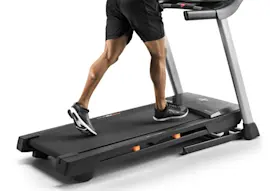
The Nordictrack NTTL09992 (EXP 1000 treadmill) is a good home treadmill when it runs smoothly, tracks straight, and maintains consistent speed; most “good vs. bad” experiences come down to belt/deck condition, roller wear, and basic maintenance rather than the frame itself.
What “good” looks like on the NTTL09992
- Walking belt stays centered and does not drift during a 10 to 15 minute walk
- Speed feels steady (no surging, hesitation, or sudden slowdowns)
- Incline (if equipped) changes smoothly without loud grinding
- Console responds consistently and does not reset mid-workout
- No burning smell, repeated breaker trips, or excessive belt slip
Quick checks that tell you a lot
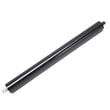
- Belt tracking: If the belt walks left or right, correct tracking before it damages the belt edge. A simple aid is the treadmill walking belt alignment tool 128457.
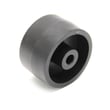
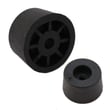
- Roller noise or vibration: A rumbling or thumping often points to roller wear or a damaged belt seam; common wear points include the treadmill rear roller 144809 and the treadmill front roller and pulley 162135.
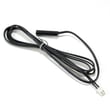
- Speed sensing: If the console shows speed issues or the belt starts then stops, the speed sensor circuit is a prime suspect; check the exercise equipment reed switch 117882 and its wiring.
Common symptoms and what they usually mean
| Symptom | Most common cause | Typical fix |
|---|---|---|
| Belt slips under foot | Loose walking belt, worn belt/deck | Tension adjustment; replace worn parts |
| Belt drifts to one side | Tracking out of adjustment | Tracking adjustment |
| Treadmill shuts off during use | Overload, failing breaker, wiring issue | Check load, inspect wiring, test breaker |
| Console shows erratic speed | Sensor gap/wiring, failing sensor | Inspect wiring; replace sensor |
Why it matters
A treadmill can feel “bad” quickly when the walking belt is misaligned or slipping because it increases friction, stresses the motor drive system, and accelerates roller wear. Keeping tracking and tension correct is the fastest way to protect performance and extend service life.
Last updated: January 2026
What is the average price of a good treadmill?
A good treadmill typically costs about $800 to $1,500, with many solid home models landing near $1,000. For a Nordictrack NTTL09992 (EXP 1000 treadmill), the “right” price depends on motor power, deck size, cushioning, and whether you want interactive training features.
Typical price ranges (what you get for the money)
- $300 to $700: Basic walking and light jogging; smaller motors and shorter decks
- $800 to $1,500: Strong value for regular running; better cushioning and stability
- $1,500 to $3,000+: Heavier-duty frames, larger rollers, stronger motors, and premium consoles
Quick comparison table
| Budget level | Best for | Common tradeoffs |
|---|---|---|
| Entry | Walking, occasional use | Louder operation, less stable at higher speeds |
| Mid-range | Regular running, family use | Fewer premium programs, simpler displays |
| Premium | Frequent running, heavier users, advanced training | Higher cost, more complex electronics |
Why it matters (especially for treadmill ownership)
Price often tracks the parts that affect long-term feel and reliability: the walking belt, rollers, and drive belt. A sturdier deck and roller system usually means smoother tracking and less frequent adjustments.
Cost-saving tip for keeping a treadmill “good” longer
If your treadmill starts slipping, drifting, or feeling rough, maintenance and a few common replacements can restore performance:
- Check belt tracking and tension; use a treadmill walking belt alignment tool 128457
- Inspect the rear roller for noise or wobble; consider a treadmill rear roller 144809
- Replace a worn running surface; a fresh walking belt 403756 can dramatically improve feel
Last updated: January 2026
What is the lifespan of a NordicTrack treadmill?
A Nordictrack treadmill like model NTTL09992 typically lasts 7 to 12 years in a home setting with regular maintenance; heavy daily running can shorten that, while consistent cleaning, correct belt tension, and timely part replacement can extend it.
What most affects treadmill lifespan
- Usage load: walking a few times a week vs. daily running intervals
- User weight and impact: higher impact and heavier loads increase deck and roller wear
- Maintenance habits: cleaning dust, checking belt tracking, and keeping fasteners tight
- Electrical protection: stable power and a good surge protector reduce control failures
- Wear parts replaced on time: belt, rollers, and sensors are normal wear items
Typical lifespan by use level
| Use pattern | What we typically see | Common wear points |
|---|---|---|
| Light (1 to 3x/week walking) | 10 to 12 years | walking belt, rear roller |
| Moderate (3 to 5x/week mixed) | 7 to 10 years | belt, rollers, drive belt |
| Heavy (daily running) | 5 to 8 years | belt/deck, front roller, electronics |
Maintenance that adds years (and prevents costly failures)
- Keep the walking belt centered and properly tensioned; use a simple guide like the treadmill walking belt alignment tool 128457 when you adjust tracking.
- Vacuum under the motor hood and around the deck (unplug first) to reduce heat buildup.
- Inspect rollers for noise or wobble; a worn roller can shred a belt quickly.
- Check speed sensing if the console shows erratic speed; the exercise equipment reed switch 117882 is a common sensor used for speed feedback.
- Replace the walking belt when it’s glazed, slipping, or fraying; continuing to run it can overwork the motor and controller.
Why it matters
A treadmill usually does not “die” all at once; it gets noisy, slips, drifts, or reads speed incorrectly first. Addressing those early symptoms protects the motor, control board, and deck, which are the most expensive components.
Last updated: January 2026