Installation guide
 Owner’s manual
 Error Codes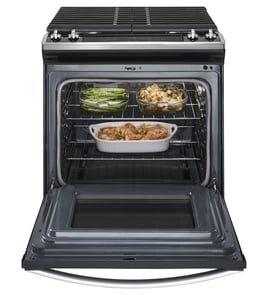



How long should a Jenn-Air oven last?
A Jenn-Air oven in a pro-style range like model PRG4810NP typically lasts 15 years with normal home use. Regular cleaning, proper ventilation, and avoiding overheating (especially on high-output burners) help you reach or exceed that lifespan; see the PRG4810NP use & care manual for care and operating guidance.
Typical lifespan and what affects it
Most ovens fail early due to heat stress, grease buildup, or ignition and control issues rather than the oven cavity itself.
- Cooking frequency: daily use shortens life compared to occasional use
- Heat exposure: frequent high-heat broiling and long bakes increase wear
- Cleaning habits: heavy soil and corrosive spills can damage finishes and components
- Ventilation: poor airflow can trap heat around controls and wiring
- Power quality: surges can shorten the life of electronic ignition and modules
What usually wears out first
On PRG4810NP-STYLE gas ranges, these are common wear items over time:
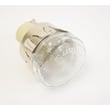
- Oven light components (bulb, socket, lens)
- Ignition-related parts (spark system, switches, modules)
- Burner-related hardware (knobs, valves, small fasteners)
- Door-related wear (hinges, alignment, sealing surfaces)
If you are troubleshooting repeated clicking or ignition problems, the reignition module WP73001323 is one of the components commonly involved in the spark system.
Quick expectations by component
| Component | Typical expectation | Notes |
|---|---|---|
| Oven cavity and insulation | 15+ years | Depends heavily on cleaning and overheating |
| Ignition system | 8-15 years | Sensitive to moisture, spills, and power issues |
| Lights and small hardware | 1-10 years | Often the first items replaced |
Why it matters
Knowing the expected lifespan helps you decide whether to maintain, repair, or refresh key parts. For a premium gas range like PRG4810NP, replacing a few ignition or light components can be a cost-effective way to extend service life.
Last updated: January 2026
Why does my Jenn-Air oven take so long to heat up?
On the Jenn-Air PRG4810NP gas range, a slow preheat is most often caused by the oven not getting a strong, steady bake flame quickly. Common reasons include the oven not being fully powered (weak glow igniter), restricted airflow, or heat loss from frequent door opening or a poor door seal.
What to check first (fast, no-tools steps)
- Confirm the oven indicator light cycles off; that is the PRG4810NP’s signal that preheat is reached (see PRG4810NP use & care manual).
- Avoid opening the door during preheat; every door opening dumps heat and extends preheat time.
- Make sure the oven vent area is not blocked; restricted airflow can reduce burner performance.
- Verify you are using the correct mode: convection can change how quickly food cooks, but it does not always shorten preheat in the way people expect.
- If the range was recently installed or moved, confirm it has proper electrical power; this model uses pilotless ignition and needs power for the glow igniter.
Likely causes on this model
1) Weak oven glow igniter (most common)
This range uses an electric glow igniter and safety system to light the bake burner. If the igniter is weak, the burner can take longer to light and may produce a smaller flame, stretching preheat.
2) Heat loss or airflow issues
Heat loss from a worn door gasket, misaligned door, or frequent door opening can make preheat feel “slow” even when the burner is working normally.
3) Control and calibration differences
If baking results differ from a previous oven, the thermostat calibration and cycling behavior can be different even when the oven is operating correctly.
Normal preheat expectations (PRG4810 series)
The PRG4810 series guidance indicates preheating typically takes about 8 to 13 minutes under normal conditions.
| What you see | What it usually means | What to do |
|---|---|---|
| Burner lights quickly, but preheat still feels long | Door openings, heavy cookware, or heat loss | Preheat with door closed; check door seal |
| Burner takes a long time to light | Weak igniter or power issue | Have igniter and power supply checked |
| Preheat time varies a lot day to day | Gas pressure or ventilation changes | Verify ventilation and gas supply stability |
Why it matters
Long preheat times usually mean the oven is not reaching and holding temperature efficiently. Fixing the root cause improves baking consistency, reduces gas use, and helps prevent undercooked centers or overbrowned exteriors.
Last updated: January 2026
What are common problems with Jenn-Air stoves?
Common issues we see on Jenn-Air gas ranges like model PRG4810NP include surface burners that click but do not light, uneven flames, oven heat problems, and oven light failures. Many of these start with power, gas supply, burner port clogs, or ignition components.
Most common symptoms (and what they usually point to)
- Gas burner will not light or keeps clicking: wet/dirty igniter area, clogged burner ports, or an ignition switch/module issue
- Uneven or lifting burner flame: clogged ports, cookware not centered on the grate, or burner parts not seated correctly
- Yellow flames: burner/air mixture issue that typically needs professional adjustment
- Oven will not heat: no power to the range, ignition system issue, or control setting problem
- Oven light not working: loose/failed bulb or socket-related issue
Quick checks you can do safely
Before you assume a part has failed, we recommend these basics (they solve a lot of “sudden” problems):
- Confirm the range has power (breaker not tripped)
- Make sure the gas shut-off valve is fully open
- Let burners dry if you recently cleaned (moisture can prevent ignition)
- Clean burner ports gently if they are clogged (food spillovers are common)
- Verify burner caps/rings are seated correctly after cleaning
Parts that commonly relate to ignition and lighting issues
If troubleshooting points to an ignition or lighting failure, these model-compatible parts are often involved:
| Symptom | Part that may be involved | Example part from this model |
|---|---|---|
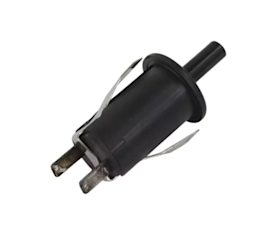
| Burners click/ignite inconsistently | Ignition switch | Range igniter switch WP73001321 |
| Multiple burners affected, weak/no spark | Reignition module | Reignition module WP73001323 |
| Oven light out | Oven light bulb | Oven light WP74011278 |
Why it matters
On a professional-style gas range like the Jenn-Air PRG4810NP, ignition and flame quality affect both safety and cooking performance. Catching clogged ports, mis-seated burner parts, or failing ignition components early helps prevent repeated no-light situations and uneven heating.
For model-specific operating, cleaning, and “before you call for service” guidance, use the PRG4810NP use & care manual and the PRG4810NP installation guide.
Last updated: January 2026
Why is my Jenn-Air Gas Range oven not igniting?
On the Jenn-Air PRG4810NP gas range, the oven will not ignite if it is not getting electrical power, if the gas supply is shut off, or if the oven ignition system is not operating correctly. This model uses pilotless ignition, so the oven cannot operate during a power failure.
What’s normal for PRG4810NP ignition
The use & care manual notes the bake and broil burners should light within 30 seconds under normal conditions. If it does not light in that window, turn the oven control to OFF and wait before trying again.
Quick checks you can do safely
- Verify the range has power (oven light or indicators work); reset the breaker if needed.
- Confirm the manual gas shut-off valve is fully open.
- Set the oven to Bake and watch for ignition; if it does not light within 30 seconds, turn it OFF.
- If the range was recently installed or disconnected, air in the gas line can delay initial lighting.
- If you smell gas, turn the oven OFF and shut off the gas supply.
Common causes when the oven won’t ignite
- No power to the range: the ignition system requires electricity.
- Ignition system problem: a failed igniter, wiring issue, or control problem can prevent lighting.
- Gas supply issue: shut-off valve partially closed or gas pressure problems.
Symptom-to-cause guide
| What you notice | Likely direction | What we recommend |
|---|---|---|
| Oven never lights; cooktop sparks normally | Oven ignition circuit issue | Have a technician test the igniter circuit and related wiring |
| Nothing on range works | Power supply problem | Check breaker, outlet, and power cord connection |
| Cooktop ignition acts erratic too | Ignition control/switch issue | Inspect ignition controls and switches for faults |
Parts that can be involved (model-compatible)
If diagnosis points to an ignition control problem affecting ignition behavior, these parts are commonly involved:
Why it matters
Repeated failed ignition attempts can allow unburned gas to linger and can also stress ignition components. Confirming power and gas supply first helps you narrow the problem quickly and safely.
For operating details and safety guidance specific to this range, see the PRG4810NP use & care manual.
Last updated: January 2026