Owner’s manual
 View engine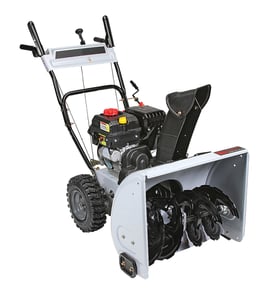


How many years should a snowblower last?
A Craftsman gas snowblower like model 917881150 typically lasts 10 to 15 years with normal homeowner use and consistent maintenance. Lifespan depends most on off-season storage, oil changes, and keeping wear items (belts, spark plug, shear pins) in good shape; see the 917881150 owner's manual.
Typical lifespan by use
- Light use (small driveway, a few storms/year): 12 to 15 years
- Moderate use (regular storms, heavier snow): 10 to 12 years
- Heavy use (long runs, wet snow, frequent use): 7 to 10 years
Maintenance that extends life the most
The manual emphasizes routine checks and seasonal service. Focus on these high-impact items:
- Change engine oil every 25 hours of operation or at least once a year
- Check oil level before starting and during extended use
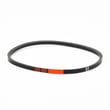
- Inspect and replace worn belts; a slipping belt reduces performance and accelerates wear
- Replace the spark plug at least once a year
- Check fasteners and shear bolts regularly for tightness and safe operation
- Run the machine a few minutes after throwing snow to help prevent freeze-up
Quick checklist: what to do and when
| Task | Good interval | Why it matters |
|---|---|---|
| Change engine oil | Every 25 hours or yearly | Prevents engine wear and low-oil damage |
| Replace spark plug | Yearly | Improves starting and engine efficiency |
| Check/replace V-belts | Each season | Maintains auger/impeller performance |
| End-of-season storage prep | End of season or 30+ days idle | Prevents fuel and corrosion problems |
Why it matters
Most “snowblower failures” are really maintenance and storage issues. Following the maintenance schedule and storage steps in the manual protects the engine, auger/impeller system, and drive components so the machine reaches its full 10 to 15 year service life.
Last updated: January 2026
Should I use 87 or 91 for snowblower?
For the Craftsman snow thrower model 917881150, use fresh unleaded regular gasoline (87 octane minimum). Using 91 octane does not improve power or reliability on this engine; fuel freshness and proper storage practices matter more.
What the 917881150 manual specifies
The product specifications for this model call for unleaded regular only and list a 4.0-quart fuel capacity. For exact operating and maintenance guidance, follow the 917881150 owner's manual.
Best fuel practices (what we recommend)
- Use fresh fuel (ideally less than 30 days old).
- Choose 87 octane unless your manual or engine label specifically requires higher.
- Add fuel stabilizer if the snowblower may sit for more than a few weeks.
- Keep the fuel can sealed and store it away from heat sources.
- If the engine runs rough, drain old fuel and refill with fresh gas before replacing parts.
87 vs 91: quick comparison
| Fuel choice | Works in 917881150? | When it makes sense |
|---|---|---|
| 87 octane (regular) | Yes | Normal operation; best match for “unleaded regular only” |
| 91 octane (premium) | Yes, but unnecessary | Only if it is the only fresh fuel available |
Why it matters
Old or contaminated gasoline can gum up the carburetor and cause hard starting, surging, or stalling. Using the correct fuel type, keeping it fresh, and following the storage steps in the manual helps prevent no-start problems and reduces wear on the engine.
Last updated: January 2026
What is the most common problem with snow blowers?
The most common snowblower problem is a no-start condition, usually caused by fuel and ignition issues (stale gas, carburetor varnish, or a worn spark plug). On the Craftsman 917881150, the manual’s troubleshooting and safety steps also emphasize shutting the engine off and disconnecting the spark plug wire before inspections. See the Craftsman 917881150 owner’s manual.
Most common causes (and what to check first)
Before replacing parts, we recommend these quick checks in order:
- Confirm the safety ignition key is fully inserted.
- Verify the fuel shut-off valve (if equipped) is ON.
- Make sure you have fresh fuel; do not store gasoline from one season to another.
- Check the choke and throttle positions for cold starting.
- Inspect the spark plug condition and connection.
- If the engine starts but runs rough, suspect dirty fuel or carburetor buildup.
Safety steps we follow before troubleshooting
The manual is clear that you should stop the engine and prevent accidental starting before you work around moving parts.
- Shut the engine off.
- Wait for all moving parts to stop.
- Disconnect the spark plug wire and keep it away from the plug.
- If you struck a foreign object, inspect for damage before restarting.
- If the unit vibrates abnormally, stop and find the cause immediately.
Quick symptom-to-cause guide
| Symptom | Most likely cause | Best first action |
|---|---|---|
| Won’t start | Stale fuel, key not inserted, fuel valve OFF | Refresh fuel, recheck key/valve |
| Starts then dies | Fuel restriction or carburetor varnish | Drain old fuel, clean fuel path |
| Runs rough | Dirty fuel, spark plug wear | Inspect plug, use fresh fuel |
| Hard to pull recoil | Cold-thick oil, mechanical drag | Warm-up checks, inspect for binding |
Why it matters
No-start problems are usually simple, but unsafe troubleshooting is not. Disconnecting the spark plug wire and keeping hands away from the discharge chute reduces the risk of injury while you diagnose fuel, spark, and control settings.
Last updated: January 2026
How do I tell what year my snowblower is?
For Craftsman snow thrower model 917881150, the year is determined from the serial number on the identification decal; the manual tells you exactly where that decal is located. Once you have the serial number, use it with your purchase date records or a serial-number lookup to pinpoint the production year (see the 917881150 owner's manual).
Find the ID decal (model and serial)
The manual states the model and serial numbers are on a decal attached to the rear of the snow thrower housing. Use this checklist:
- Look on the rear housing (behind the auger/impeller area, not the engine cover)
- Write down model 917881150
- Write down the serial number exactly (include letters and dashes)
- Record the date of purchase if you have it
- Take a clear photo of the decal for your records
Use the serial number to identify the year
After you capture the serial number, match it to a manufacturing date using one of these methods.
| Method | What you need | Result |
|---|---|---|
| Purchase paperwork | Receipt, invoice, or registration date | Confirms the in-service year |
| Serial-number lookup/support | Model 917881150 + serial number | Identifies the production year |
| Parts cross-check | Model 917881150 + diagrams/parts | Confirms you are ordering the correct configuration |
Why it matters
The correct year and serial help us match the right parts diagrams and service items for your exact build, especially for wear parts like belts, cables, and auger/drive hardware.
Tip while you are checking the machine
- Clean the decal gently so every character is readable
- If the decal is worn, look for a second label near the handle/control panel area
- Keep the serial number with your maintenance notes; it speeds up parts ordering
Last updated: January 2026