Installation guide
 Owner’s manual
 Error Codes



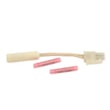
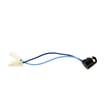
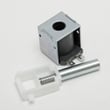
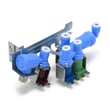
Can I look up Frigidaire parts by model number?
Yes. For your Frigidaire refrigerator model FGHB2867TF0, looking up parts by the full model number is the most accurate way to get compatible replacement parts because it ties the part list to your exact configuration (filters, ice maker, door gaskets, controls, and more).
How to find and use the model number
Use the complete model number exactly as shown on the refrigerator’s data tag, then match it to the parts list for that model.
- Use the full model number (for example, FGHB2867TF0, not a partial).
- Match the model number to the correct product type (refrigerator) and brand (Frigidaire).
- Use the parts diagrams to confirm location and quantity before ordering.
- Cross-check the part name and part ID to avoid look-alike parts.
- Keep your FGHB2867TF0 owner’s manual handy for feature and maintenance references.
Common FGHB2867TF0 parts customers look up by model
These are frequent replacements for this model, and model-number lookup helps ensure fit.
| What you’re replacing | Example part for FGHB2867TF0 | When it’s commonly needed |
|---|---|---|
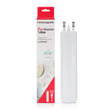
| Water filter | Refrigerator water filter ULTRAWF | Low flow, bad taste/odor, routine maintenance |
| Air filter | Refrigerator air filter EAFCBF | Food odors, routine maintenance |
| Ice maker | Refrigerator ice maker 243297613 | No ice, small cubes, intermittent harvest |
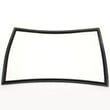
| Door gasket | Frigidaire freezer door gasket (gray) | Frost buildup, warm spots, moisture on gasket |
Why it matters
Frigidaire often uses similar-looking parts across multiple refrigerator series. Searching by FGHB2867TF0 reduces returns and downtime because you are selecting parts that match your unit’s exact design and features.
Helpful related DIY guidance
If you are looking up parts because of a symptom, these guides help you confirm the right fix before ordering:
Last updated: February 2026
What is the most common problem with a Frigidaire refrigerator?
The most common issue we see on Frigidaire refrigerators like model FGHB2867TF0 is a cooling complaint: the fresh food section gets warm, temperatures swing, or airflow feels weak. The usual causes are restricted airflow, frost buildup from a defrost problem, or a fan or sensor issue (plus frequent ice maker and water dispenser complaints). See the FGHB2867TF0 owner's manual for model-specific checks and “before you call” troubleshooting.
Most common symptoms customers report
- Refrigerator section warm but freezer still cold
- Frost or ice buildup that reduces airflow
- Loud or unusual fan noise, then uneven temperatures
- Ice maker not making ice or making small/hollow cubes
- Water tastes odd or smells after sitting unused
What typically causes these problems
Cooling and ice maker issues often trace back to a few systems that affect airflow and water supply.
| Problem area | What you notice | Common fix path |
|---|---|---|
| Airflow inside cabinet | Warm fridge, weak air from vents | Clear blocked vents, reduce overpacking, check fan operation |
| Defrost system | Frost buildup, temps rise over time | Defrost components and airflow checks; service if ice returns quickly |
| Temperature sensing | Temps swing, food freezing or warming | Sensor/thermistor diagnosis and replacement if out of range |
| Water/ice supply | No ice, slow water, odd taste | Confirm water valve open, line not kinked, filter seated and fresh |
Quick checks we recommend first (FGHB2867TF0)
- Confirm doors close and seal; leveling matters for proper sealing (the installation guide notes the cabinet should tilt slightly back so doors close properly). Use the FGHB2867TF0 installation guide for leveling and clearance guidance.
- Make sure interior vents are not blocked by food containers.
- If the ice maker is not making ice, verify it is turned on, the water valve is open, and the supply line is not kinked (these are common “before you call” items in the manual).
- If water tastes or smells odd after sitting, dispense and discard about 10 to 12 glasses to refresh the supply (a standard step listed in the manual).
- Replace maintenance items on schedule; for odor control, the refrigerator air filter EAFCBF is a common wear item.
Why it matters
Most “Frigidaire refrigerator not cooling” complaints start as airflow or defrost restrictions. Catching them early helps prevent food spoilage, reduces compressor run time, and can also improve ice maker and dispenser performance.
Last updated: February 2026
What is the average lifespan of FGHB2867TF0?
A Frigidaire refrigerator like model FGHB2867TF0 typically lasts 13 years with normal household use and basic maintenance (clean airflow paths, good door sealing, and correct temperatures). Keeping filters fresh and doors aligned helps it reach that expected service life.
What affects lifespan the most
- Door sealing and alignment: a poor seal makes the compressor run longer and wear faster.
- Airflow: blocking vents forces longer run times and higher energy use.
- Heat and placement: tight clearances or heat from nearby appliances increases workload.
- Water quality and filtration: clogged filters can reduce water flow and strain the system.
- Routine cleaning: dust buildup and spills can lead to odors, moisture issues, and extra run time.
Maintenance checklist we recommend
Use the owner's manual for model-specific care steps and control settings.
- Keep the cabinet level so doors close tightly.
- Avoid overcrowding; do not block cold air vents.
- Wipe containers dry and cover foods to reduce moisture buildup.
- Replace the water filter on schedule; for this model, the refrigerator water filter ULTRAWF is commonly changed about every 6 months.
- Replace the air filter as needed to help control odors; use the refrigerator air filter EAFCBF.
Quick reference: what “normal” looks like
| Item | Typical expectation | Why it matters |
|---|---|---|
| Average refrigerator lifespan | 13 years | Helps plan repairs vs. replacement |
| Compressor run behavior | Runs most of the time, pauses during defrost | Continuous running can be normal for high-efficiency designs |
| Water filter interval | About every 6 months | Protects water flow and taste |
Why it matters
When a refrigerator runs longer than necessary (from warm room temps, poor leveling, or blocked vents), the compressor and fans work harder. That extra workload is the biggest driver of early failures, especially in French door refrigerators.
Last updated: March 2026