Error Codes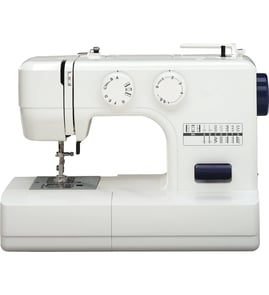

Are older sewing machines worth anything?
Yes. Older sewing machines can be worth money, but most common household models sell for modest amounts; the real value depends on brand demand, condition, and whether the machine sews smoothly. For a Kenmore 15816801, value is usually highest when it runs quietly, feeds fabric evenly, and includes original accessories.
- Working condition: stitches form correctly, motor runs, and the handwheel turns freely
- Completeness: foot pedal, power cord, bobbins, presser feet, and case
- Cosmetic condition: minimal rust, no cracked plastic, clean decals and paint
- Service history: recently cleaned and lubricated machines sell faster
- Model demand: some vintage models are collectible; many are valued as reliable “workhorse” machines
These are practical ranges we see for older machines in today’s resale market; rare collector pieces can exceed these.
| Condition | What it means | Typical value range |
|---|---|---|
| Parts/repair | Won’t run, seized, missing pedal | $0 to $50 |
| Runs but needs tuning | Runs, but skips stitches or feeds poorly | $50 to $150 |
| Fully working | Smooth running, consistent stitches | $100 to $300 |
| Exceptional/collectible | Pristine, serviced, complete, high demand | $300+ |
- Test basic operation: does the needle move, and does it sew without jamming?
- Check common deal-breakers: brittle wiring, burning smell, heavy corrosion, cracked gears.
- Confirm feed performance: fabric should advance evenly; if it does not, use our guide on sewing machine fabric not moving.
- Listen for mechanical issues: knocking, grinding, or binding lowers value; a stuck machine often needs cleaning and lubrication (see sewing machine locks up).
A vintage machine that is “almost working” often costs more in time and parts than buyers expect. A simple tune-up (cleaning, lubrication, correct needle and threading, tension adjustment) can move a machine from “parts/repair” pricing into the “fully working” range.
Last updated: February 2026
How to identify a sewing machine model?
On a Kenmore sewing machine like model 15816801, the model number is typically printed on a data label or stamped into the machine body. Check the front, right side, back, and the underside of the base; once you find it, match that exact number when searching parts and repair help.
Most Kenmore sewing machines place the model number in one of these spots:
- On the back of the machine near the power cord or handwheel
- On the right side near the stitch selector area
- On the front lower area of the machine bed
- On the underside of the base (tip the machine carefully)
- Inside an access door near the bobbin area (on some designs)
Record the information exactly as shown on the label.
| Item to capture | Example | Why it matters |
|---|---|---|
| Model number | 15816801 | Identifies the correct parts list and diagrams |
| Prefix/suffix | Any extra digits/letters | Can change which motor, belt, or switch fits |
| Serial number | Varies | Helps identify production run for service reference |
If the label is worn, these steps help confirm the correct model family before ordering parts:
- Look for a stamped number on the metal frame under the top cover
- Check the bottom cover for an ink stamp or sticker
- Compare your machine’s key features (bobbin style, stitch selector type, light location)
- Use our DIY troubleshooting content to match symptoms to common assemblies (feed dogs, drive belt, motor)
Kenmore sewing machine parts are model-specific. Using the exact model number prevents mismatches on common replacement items like the drive belt, foot control/power cord, on/off switch, needle plate, and bobbin case.
For additional Kenmore sewing machine troubleshooting references, use our Kenmore 385 error codes guide when your machine displays an error or behaves like it is faulting.
Last updated: February 2026
Is it worth repairing an old sewing machine?
Yes, repairing an older Kenmore sewing machine like model 15816801 is usually worth it when the machine has a solid metal drive, runs smoothly after basic cleaning, and the repair cost stays reasonable compared to replacing it. The best value comes from fixing common wear items and restoring stitch quality.
Use this checklist before you invest time or money:
- The handwheel turns freely (no binding or grinding)
- The needle bar moves up and down without sticking
- The feed dogs rise and move fabric consistently
- The motor runs without burning smell or heavy sparking
- You can get it sewing with fresh needle, correct threading, and proper tension
- The machine has sentimental value or you prefer its stitch feel and build quality
These are common, practical fixes that often bring an older machine back to reliable sewing:
- Deep cleaning lint from the bobbin area and feed dogs
- Re-threading top and bobbin correctly; resetting tension to a baseline
- Replacing a bent/dull needle and using the right needle type for fabric
- Replacing a worn drive belt (if it slips or the machine runs sluggish)
- Servicing the foot pedal or power cord if operation is intermittent
For step-by-step repair paths, we recommend starting with the sewing machine repair-guides landing page.
Some conditions typically push the decision toward replacement:
- The machine locks up even after cleaning and careful handwheel testing
- Timing is severely off and the machine repeatedly hits or breaks needles
- The motor hums but will not turn the machine (and the belt is not the issue)
- Critical internal parts are damaged and the machine cannot form stitches consistently
If you are seeing lockups or no-motor symptoms, use these guides to narrow it down:
| Symptom | What it often points to | Best next step |
|---|---|---|
| Fabric not moving | Feed dog or presser foot issues, lint buildup | Sewing machine fabric not moving |
| Machine locks up | Jammed hook area, seized mechanism, timing problems | Sewing machine locks up |
| Motor will not run | Switch, pedal, motor, wiring | Sewing machine motor won't run |
A well-built older Kenmore can deliver steady stitch quality and long service life when it is cleaned, lubricated appropriately, and kept in correct adjustment. A quick diagnosis prevents spending money on the wrong fix.
Last updated: February 2026
When was the Kenmore 15816801 sewing machine made?
The Kenmore 15816801 sewing machine was made during the era when Kenmore’s 158-series mechanical machines were widely sold (most commonly the 1970s into the early 1980s). For an exact production year, the most reliable method is matching the machine’s full ID markings and features to a Kenmore 158-series reference.
Use these quick checks on your Kenmore 15816801:
- Look for an ID plate or stamping that shows the full model and any additional code (often on the back, underside, or near the handwheel).
- Note whether it is all-mechanical (no digital display) and what stitch options it has (straight, zigzag, stretch stitches).
- Check the motor and foot controller labels for date codes or manufacturer codes.
- Compare the faceplate styling, stitch selector layout, and bobbin system (front-load vs top-drop).
- If your machine shows an error code (uncommon on most 158-series), use our Kenmore code references to confirm the family.
Kenmore model numbers starting with 158 identify a specific Kenmore sewing machine family. That family is known for metal internal components, serviceable mechanical timing, and long-term repairability. Knowing the family helps you:
- Choose compatible needles, bobbins, and presser feet
- Diagnose issues like skipped stitches, thread nesting, or fabric not feeding
- Identify the right repair path for motor, belt, and drive issues
| What you check | What it tells you | How accurate it is |
|---|---|---|
| Model number “15816801” | Confirms 158-series family | Medium |
| Date code on motor/controller | Approximate component build date | Medium to high |
| Styling and stitch features | Narrows to a decade range | Medium |
| Original receipt/manual | Exact purchase timeframe | High |
If you are restoring or putting the machine back into service, these guides help with common symptoms:
Why it matters: A correct date range helps you pick compatible consumables (needle system, bobbin style) and avoid fit issues when servicing the drive belt, motor, or feed mechanism.
Last updated: February 2026