Owner’s manual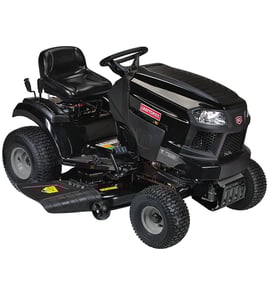





What Kohler engine is on the Cub Cadet 13AP11CP756?
The Cub Cadet 13AP11CP756 lawn tractor uses a Kohler Courage-series engine; the exact Courage model (such as SV590 single-cylinder or SV720 V-twin) depends on the specific tractor configuration listed in the specifications section of the owner's manual.
How to identify the exact Kohler engine model on your tractor
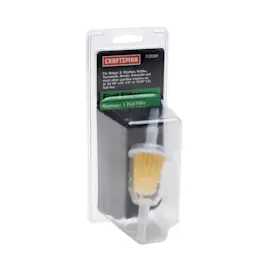
We use the engine’s model and spec numbers to match the right tune-up and repair parts (air filter, spark plugs, fuel filter, starter, and charging components).
- Open the hood and locate the engine ID label (often on the blower housing or valve cover area).
- Write down model, spec, and serial numbers from the Kohler tag.
- Compare those numbers to the engine listing in the specifications pages of the manual.
- If the label is dirty, wipe it gently and use a flashlight to read stamped characters.
- Use the engine model to confirm correct oil type, spark plug gap, and maintenance intervals.
What the manual shows for Kohler Courage engines (common variants)
The specifications section lists Kohler Courage engines used across similar Cub Cadet lawn tractor builds.
| Kohler engine family | Example model | Cylinders | Typical horsepower class |
|---|---|---|---|
| Kohler Courage | SV590 | Single | About 19 HP |
| Kohler Courage | SV720 | Twin | About 23 HP |
Why it matters
Kohler Courage single-cylinder and V-twin engines use different parts and service specs (oil capacity, filters, ignition parts). Confirming the exact engine model prevents ordering the wrong maintenance parts and helps keep the PTO and hydrostatic drive system operating reliably.
Last updated: February 2026
How much is a used Cub Cadet 13AP11CP756 worth?
A used Cub Cadet 13AP11CP756 front-engine lawn tractor typically sells in the $800 to $2,500 range, with the biggest price drivers being engine hours, deck condition, and whether the hydrostatic drive and PTO engage smoothly. Use the specs and maintenance schedule in the owner's manual to judge condition and justify price.
Quick pricing guide (what moves the value)
- Engine hours: lower hours usually means higher value; very high hours lowers value unless maintenance is documented.
- Deck and blades: rust-through, spindle noise, or heavy vibration reduces value.
- Hydrostatic drive: slow, surging, or weak hill performance reduces value.
- Tires and steering: uneven tire wear and sloppy steering point to heavier use.
- Maintenance records: regular oil checks and changes support a higher asking price.
Condition-based value ranges
| Condition | What we typically see | Typical used value |
|---|---|---|
| Needs work | Won’t mow right, drive issues, missing guards | $300 to $900 |
| Fair | Runs and mows, cosmetic wear, some play/noise | $800 to $1,500 |
| Good | Starts easily, cuts evenly, solid drive, maintained | $1,500 to $2,200 |
| Excellent | Clean, tight steering, strong cut, documented service | $2,200 to $2,500 |
What to check before you buy (fast inspection)
Safety first
Before inspecting belts, blades, or wiring: disengage PTO, set the parking brake, stop the engine, and remove the key.
Mechanical checks
- Start from cold; listen for knocking, hunting, or excessive smoke.
- Engage PTO; the deck should come up to speed without squeal or heavy vibration.
- Test cut quality; uneven cut often points to blade condition, deck leveling, or tire pressure.
- Drive forward and reverse; confirm smooth speed changes and no surging.
- Check for oil leaks and loose hardware around the deck and spindles.
Why it matters
A mower that “runs” but has a worn deck, out-of-balance blade, or weak hydrostatic drive can cost more to repair than the price difference between a fair unit and a good one. Using the maintenance intervals and specs in the manual helps you spot expensive problems early.
Last updated: February 2026
How many hours does a Cub Cadet usually last?
Most Cub Cadet riding lawn tractors typically deliver 500 to 1,000 hours of residential use; with consistent maintenance, many reach the upper end of that range. For your Cub Cadet 13AP11CP756 lawn tractor, longevity depends most on oil service, air filtration, blade/deck care, and how hard the tractor is worked.
Typical lifespan ranges (what to expect)
These ranges help you judge whether your hour meter reading is “low,” “mid-life,” or “high.”
| Usage type | Typical total hours | What usually limits life first |
|---|---|---|
| Light residential (flat yard, seasonal) | 500 to 800 | Belts, blades, battery, deck wear |
| Average residential (mixed terrain) | 700 to 1,000 | Steering, spindles, transmission wear |
| Heavy residential (hills, towing, dusty) | 400 to 800 | Engine wear from heat, dust, missed oil changes |
Maintenance that most directly adds hours
Your manual emphasizes routine service intervals and oil care; we follow the same priorities when we troubleshoot early wear.
- Check engine oil at least every 4 hours of operation and keep it at the correct level.
- Change oil on schedule and use the correct viscosity for your lowest expected temperatures.
- Keep the air filter clean (dust is a major engine-life reducer).
- Keep the cooling fins and screen clear so the engine runs cooler.
- Maintain the mower deck (sharp blades, clean underside) to reduce load on the engine and belts.
For the exact maintenance intervals and oil recommendations for the 13AP11CP756, use the owner's manual.
Quick “hours check” when buying used or evaluating wear
- Under 200 hours: typically early life if maintenance was done.
- 200 to 500 hours: normal mid-life; expect routine wear parts.
- 500+ hours: condition and service history matter most; plan for more frequent repairs.
Why it matters
Hour count is only half the story. A tractor with fewer hours but poor oil and filter habits can wear out faster than a higher-hour machine that was serviced on schedule.
Last updated: February 2026