


How to remove string trimmer head craftsman?
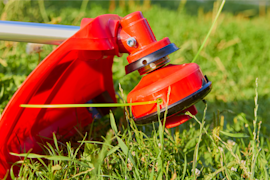
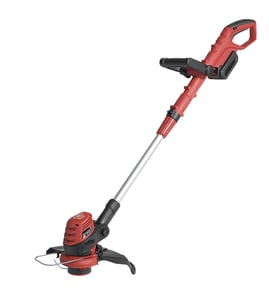
On the Craftsman line trimmer model 234795453, you remove the trimmer head by locking the shaft (using the alignment hole or notch) and then unthreading the head from the drive shaft. Most heads use standard right-hand threads, so they loosen counterclockwise.
Before you start (safe setup)
- Shut the engine off and let it cool.
- Disconnect the spark plug wire.
- Wear gloves and eye protection.
- Clear wrapped grass and line from the head so you can see the lock point.
- Support the trimmer so the head cannot wobble while you turn it.
Step-by-step: remove the trimmer head
- Locate the shaft lock: Rotate the head until the notch or hole in the head base lines up with the matching hole/notch in the gearbox or base plate.
- Lock the shaft: Insert an Allen key, screwdriver, or locking pin through the aligned holes to keep the shaft from turning.
- Unthread the head: With the shaft locked, turn the head counterclockwise to loosen, then spin it off by hand.
- Keep hardware in order: If a washer, nut, or spacer comes off with the head, set the pieces aside in the order removed.
If it will not break loose
- Soak the threads with penetrating oil; wait 10 to 15 minutes.
- Use a strap wrench on the head housing (avoid crushing the plastic with pliers).
- Recheck that the shaft is fully locked; partial engagement strips the lock hole.
Thread direction quick check
| Thread type | Tightens when turned | Loosens when turned |
|---|---|---|
| Standard (right-hand) | Clockwise | Counterclockwise |
| Left-hand (reverse) | Counterclockwise | Clockwise |
Why it matters
Locking the shaft prevents damage to the gearbox and drive shaft threads, which keeps a simple head replacement from turning into a bigger driveline repair.
For more step-by-step trimmer repair help, use our line trimmer repair guides landing page.
Last updated: February 2026
What is the lifespan of a line trimmer?
A Craftsman line trimmer like model 234795453 typically lasts 8 to 12 years for homeowner use with routine maintenance; heavy commercial use is better measured in run-time and commonly reaches 900 to 1,200+ hours when cared for properly.
Typical lifespan ranges (what most owners see)
Lifespan depends most on hours of use, fuel quality, and how consistently you service wear items.
- Light homeowner use: 10 to 12 years
- Average homeowner use: 8 to 10 years
- Heavy homeowner use: 5 to 8 years
- Commercial use (hours): 900 to 1,200+ hours
What shortens (or extends) line trimmer life
The same trimmer can last years longer when the engine stays clean, properly fueled, and not overheated.
- Old fuel left in the tank or carburetor between seasons
- Dirty air filter causing a rich mix and carbon buildup
- Running with a clogged spark arrestor or muffler screen
- Overheating from heavy grass, wrong line size, or blocked cooling fins
- Vibration loosening fasteners and wearing mounts/bushings
- Skipping seasonal tune-ups (plug, filter, fuel system checks)
Maintenance checklist to hit the high end of lifespan
Use this as a simple schedule for a gas line trimmer.
| When | What to do | Why it helps |
|---|---|---|
| Every use | Check line head, debris, and fasteners | Prevents overheating and vibration damage |
| Weekly (in season) | Clean/inspect air filter | Protects the engine from dirt ingestion |
| Monthly | Inspect fuel lines and primer bulb | Prevents air leaks and hard starting |
| End of season | Drain/refresh fuel and run dry (as appropriate) | Reduces carburetor varnish and clogging |
For step-by-step upkeep and common fixes, use our grass line trimmer maintenance checklist.
Why it matters
A line trimmer usually fails early from fuel-system and airflow issues, not from “old age.” Keeping fuel fresh and airflow clear prevents hard starts, rough running, and premature carburetor wear.
Last updated: February 2026
Where to find model number on Craftsman 234795453?
The model number for a Craftsman line trimmer is printed on a product ID label (sticker or metal tag) attached to the trimmer body. On model 234795453, it’s most commonly on the motor/engine housing, the shaft, or near the handle where the strap mounts.
Common places to check on a Craftsman line trimmer
Look for a label with MODEL and a string of numbers/letters. Check these spots first:
- Side of the engine/motor housing (near the recoil starter area)
- Underside or back of the engine/motor housing
- On the shaft tube near the throttle/handle
- Near the guard (debris shield) where the shaft meets the cutting head
- Around the handle clamp area (especially on split-shaft designs)
What the label usually looks like
The label can be a printed sticker or a stamped metal tag. It typically includes:
- Model number (for example, 234795453)
- Serial number
- Manufacturing code/date
- Safety certification marks
Quick ID checklist
| What you see on the label | What to do with it |
|---|---|
| Model number | Use it to match parts diagrams and parts lists |
| Serial number | Keep it for your records and service history |
| Extra suffixes or letters | Write them down; they can affect part compatibility |
Why it matters
Using the exact model number helps us match the correct Craftsman parts and diagrams for your trimmer, which prevents ordering the wrong items (especially for fuel system, cutting head, and handle/strap components).
If the label is missing or unreadable
- Wipe the area with a damp cloth; grass dust and oil can hide the print
- Use a flashlight and take a close-up photo; zooming in often reveals faded characters
- Check for a second label on the shaft or near the handle
- If you’re replacing worn carrying hardware, match your setup to the s strap assy 596296801
Last updated: February 2026