Error Codes


Is a 7.4 cu ft dryer big?
Yes. A 7.4 cu. ft. dryer is considered a large-capacity size; for a Whirlpool dryer like model WED5100HC1, that capacity is big enough for bulky items (comforters) and larger family loads.
Most brands treat anything over about 7.0 cu. ft. as large capacity. Here’s a simple way to think about it:
| Dryer capacity | Common label | Best for |
|---|---|---|
| 6.0 to 6.9 cu. ft. | Standard | Couples, smaller loads |
| 7.0 to 7.4 cu. ft. | Large | Families, mixed loads, some bulky items |
| 7.5+ cu. ft. | Extra-large | Frequent bulky loads, big households |
A large drum helps, but airflow and load size still control dry time and wrinkles.
- Fill the drum loosely; items should tumble freely.
- Mix similar fabrics and weights (towels with towels, not towels with tees).
- Use the correct cycle (sensor dry for most loads; timed dry for special cases).
- Clean the lint screen every load; restricted airflow makes any dryer feel “small.”
- Keep the vent path clear and as short as practical.
If loads come out damp or take too long, the issue is usually airflow or heat, not capacity.
- Long dry times with normal heat often point to vent restriction or a clogged internal duct.
- No heat or weak heat can involve the heater circuit, thermal fuse, or temperature sensing.
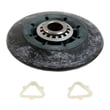
- Thumping or squealing can indicate drum support wear.
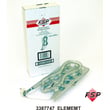
Helpful parts for common symptoms on WED5100HC1 include the screen W10120998 (lint screen) and the element, heater 5400w WP3387747 (heating element).
Choosing the right capacity helps you avoid overloading (poor drying, wrinkles) and underloading (wasted energy). A 7.4 cu. ft. Whirlpool dryer is a strong “one-dryer-fits-most” size for everyday laundry.
Last updated: January 2026
What is the life expectancy of a Whirlpool dryer?
A Whirlpool dryer like model WED5100HC1 typically lasts about 10 years. With consistent vent cleaning, proper loading, and timely replacement of wear items, many dryers reach 12 to 15 years before major repairs become more common.
- Airflow and venting: restricted venting overheats components and shortens life.
- Load size: chronic overloading strains the drive motor, belt system, and drum support.
- Heat stress: repeated overheating can damage the heater circuit and safety fuses.
- Maintenance: lint buildup inside the cabinet accelerates wear and increases heat.
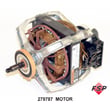
- Wear parts: rollers, idler pulley, and blower wheel gradually wear and get noisy.
- Clean the lint screen after every load; replace a damaged screen such as the screen W10120998.
- Check outside vent hood for strong airflow while running.
- Clean the full vent run (wall duct to exterior) at least yearly, more often with heavy use.
- Avoid over-drying; use sensor cycles when possible to reduce heat time.
- If you hear squealing or thumping, service drum support parts early to prevent secondary damage.
| Symptom | What it often points to | Example part for WED5100HC1 |
|---|---|---|
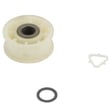
| Squealing, chirping | Idler pulley or drum support rollers | Dryer idler pulley W10837240 |
| Thumping, rumbling | Flat-spotted drum rollers | Dryer drum support roller WPW10314173 |
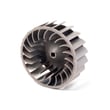
| Long dry times | Airflow restriction or blower issue | Dryer blower wheel WP697772 |
| No heat | Heater circuit or safety devices | Element, heater 5400w WP3387747 |
A dryer that runs hot or takes too long to dry wears out faster and costs more to operate. Keeping airflow strong and replacing small wear parts early helps protect bigger, higher-cost components like the drive motor and drum.
Last updated: January 2026
What is the most common problem with whirlpool dryers?
The most common Whirlpool dryer problem is the dryer will not start. On the Whirlpool WED5100HC1, this usually traces back to power supply issues, a door switch or start circuit problem, or a safety device opening because airflow is restricted.
- Confirm the dryer has 240 volts at the outlet (a tripped double breaker can leave the drum light on but stop heating or starting).
- Make sure the door fully latches; a misaligned door can prevent the start circuit from closing.
- Clean the lint screen and check for a crushed or clogged vent; poor airflow can lead to overheating and a blown fuse.
- Try a different cycle and firmly press Start; some cycles require a longer press.
- If the drum turns by hand but the dryer will not run, inspect common wear items like the idler and rollers.
| Symptom | Most common cause category | What to check next |
|---|---|---|
| Won’t start | Power, door/start circuit, safety fuse | Breaker, door latch, thermal fuse |
| Runs but no heat | Power leg missing, heater circuit, safety devices | 240V supply, heater, thermal cut-off |
| Takes too long to dry | Airflow restriction | Venting, lint buildup, blower wheel |
| Loud thumping/squealing | Drum support wear | Rollers, idler pulley |
If troubleshooting points to a failed component, these are frequent fixes on dryers like the WED5100HC1:
- Thermal fuse W10909685 (opens if the dryer overheats)
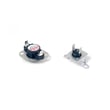
- Whirlpool dryer thermal cut-off fuse kit 279973 (often replaced when overheating occurs)
- Element, heater 5400w WP3387747 (electric heat source)
- Dryer idler pulley W10837240 (keeps belt tension; can squeal or seize)
- Dryer drum support roller WPW10314173 (worn rollers cause rumbling or thumping)
A “won’t start” complaint is often a simple fix (power, door closure, airflow). Addressing airflow and worn drum support parts early helps prevent repeat shutdowns, overheating, and longer dry times.
Last updated: January 2026
Why does my whirlpool dryer run but no heat?
If your Whirlpool dryer model WED5100HC1 runs but doesn’t heat, the most common causes are a power-supply problem (electric dryers can tumble on 120V but need full 240V to heat), restricted airflow, or a failed heating or safety component such as a thermal fuse or heating element.
- Confirm the dryer is set to a heated cycle (not Air Only, Fluff Air, or a no-heat option).
- Check the house breaker: reset both dryer breakers (or replace both fuses) to restore full 240V.
- Clean the lint screen and make sure it seats fully; replace a damaged screen if needed.
- Inspect the vent path (dryer outlet to outside hood) for kinks, crushing, lint buildup, or a stuck vent flap.
- Run a timed dry cycle for 10 minutes; if there’s still no heat, move to component checks.
On WED5100HC1, these parts are frequent culprits when airflow and power are good:
- Heating element: open element means no heat (electric models).
- Thermal fuse or thermal cut-off: opens if the dryer overheats; the dryer may run but heat is disabled.
- Thermistor: bad temperature sensing can prevent proper heating.
Helpful parts to consider:
- Element, heater 5400w WP3387747
- Thermal fuse W10909685
- Whirlpool dryer thermal cut-off fuse kit 279973
- Dryer thermistor WP8577274
| Symptom | Most likely cause | What we check next |
|---|---|---|
| Tumbles, no heat at all | Missing 240V supply | Breaker, outlet voltage, cord/terminal block |
| Tumbles, weak heat, long dry times | Vent restriction | Vent run, outside hood airflow |
| No heat after vent is cleared | Safety device opened | Thermal fuse, thermal cut-off kit |
| Heat is inconsistent | Temperature sensing issue | Thermistor, wiring connections |
A clogged vent can overheat the dryer and repeatedly blow a thermal fuse or thermal cut-off. Fixing airflow first prevents repeat failures and restores normal drying performance.
For model-specific fault displays, use Whirlpool electronic control model dryer error codes.
Last updated: January 2026