Installation guide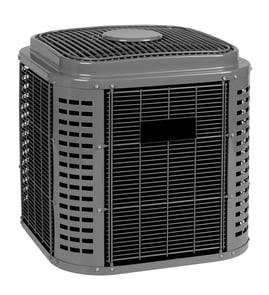




What is the average lifespan of a central air conditioning unit?
Most central air conditioning units last 15 to 20 years. For an Icp TCA448AKA1 condensing unit, lifespan depends most on coil cleanliness, correct airflow and refrigerant charge, and keeping proper clearances around the outdoor unit (all covered in the installation guide).
Typical lifespan ranges
Here’s what we see most often for central AC systems:
| Unit type | Typical lifespan | What shortens it fastest |
|---|---|---|
| Central AC condensing unit (outdoor) | 15 to 20 years | Dirty outdoor coil, restricted airflow, electrical wear |
| Older or poorly maintained systems | 10 to 12 years | Chronic overheating, corrosion, repeated hard starts |
What makes a unit last longer
These maintenance and setup items have the biggest impact on service life:
- Keep the outdoor coil clear; maintain at least 2 feet of clearance from shrubs, fences, snow drifts, and other obstructions at coil air inlets.
- Turn off power before cleaning; clean only when the coil is cold and use an alkaline-based coil cleaner (avoid acid-based cleaners).
- Maintain proper placement clearances; for example, a 48-inch vertical clearance is required to an overhang in typical installations.
- Keep hands out of fan areas when power is connected; fan and electrical hazards are real on outdoor condensers.
- Have refrigerant charge and airflow set correctly; typical target airflow is 350 to 450 CFM per ton through a wet coil.
Quick “replace vs. repair” checklist
If your system is approaching end-of-life, these symptoms usually drive the decision:
- Frequent breaker trips or contactor chatter
- Outdoor fan problems (slow, noisy, or not starting)
- Poor cooling even after coil cleaning and airflow checks
- Repeated electrical control issues (board, wiring)
Why it matters
A central AC that is kept clean and properly installed runs cooler and with less electrical stress. That reduces wear on high-cost components like the condenser fan motor, contactor, and control board, and it helps your Icp TCA448AKA1 reach the full 15 to 20 year lifespan.
Last updated: February 2026
What is the most expensive part to replace on an AC unit?
On most central air conditioner condensing units (including the Icp TCA448AKA1), the compressor is typically the most expensive single component to replace because it is the sealed, labor-intensive core of the refrigerant system. Control boards and fan motors can also be costly, but usually less than a compressor.
What usually costs the most (and why)
The compressor sits in the high-pressure refrigerant circuit, so replacement often involves refrigerant recovery, brazing, evacuation, and precise recharging.
Common high-cost items on an outdoor condensing unit include:
- Compressor (most expensive in most cases)
- Condenser fan motor (can be a major parts cost)
- Electronic control board (varies by design and availability)
- Coil-related repairs (labor can be high if access is difficult)
- Electrical controls like a contactor (usually much cheaper than the items above)
Cost comparison (typical ranking)
| Component | Typical cost impact | Why it gets expensive |
|---|---|---|
| Compressor | Highest | Sealed system work plus high part cost |
| Fan motor | High | Motor cost plus electrical and airflow verification |
| Control board | Medium to high | Electronics cost and diagnosis time |
| Contactor | Low to medium | Common electrical part, simpler replacement |
Model-specific parts we commonly see replaced
If you are troubleshooting the outdoor unit on Icp TCA448AKA1, these parts on our list are often involved in “no cool” or “won’t start” complaints:
- Central air conditioner condenser electronic control board 1088977
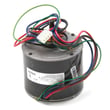
- Central air conditioner condenser fan motor, 1/4-hp 1086404
Why it matters
When the compressor is the failure point, the repair decision often comes down to total installed cost, system age, and whether the rest of the refrigerant circuit is in good condition. For any work that involves refrigerant lines, clearances, wiring, or charging procedures, follow the installation guide.
Last updated: February 2026
How much should a central air conditioner cost?
A central air conditioner (including an outdoor condensing unit like the Icp TCA448AKA1) typically costs several thousand dollars installed, with the final price driven mostly by system size (tons/BTUs), efficiency rating, and installation complexity. For an accurate match to your home, use the sizing and setup guidance in the installation guide.
Typical cost ranges (what most homeowners pay)
Central AC pricing usually breaks into two buckets: equipment and installation labor/materials.
- Equipment only (outdoor unit and matching components): often $2,000 to $6,000+
- Installed total (equipment + labor + materials): often $5,000 to $12,000+
- Higher-end systems (high efficiency, complex installs): can run $12,000 to $20,000+
What changes the price the most
These factors move the price up or down more than brand name alone:
- System size (tons): bigger capacity costs more
- Efficiency (SEER/SEER2): higher efficiency usually costs more up front
- Ductwork condition: repairs, sealing, or replacement adds cost
- Electrical work: new disconnect, breaker, or wiring upgrades can add cost
- Refrigerant line set work: replacement, flushing, or resizing adds labor
- Site conditions: long line runs, rooftop placement, tight clearances, or pad work
Installation details that can add labor (and cost)
Your Icp TCA448AKA1 installation requirements can affect labor time. For example, the guide calls out typical clearances (such as 48 inches above for discharge air and 18 inches around the coil on three sides, with one side sometimes reduced), plus proper outdoor electrical connections and grounding. Review the installation guide before planning placement.
| Cost driver | Lower cost when | Higher cost when |
|---|---|---|
| Placement | Easy access, good airflow | Rooftop, tight space, recirculation risk |
| Electrical | Existing correct circuit | New circuit, disconnect, conduit needed |
| Airflow setup | Blower/ducts already correct | Airflow corrections required |
Why it matters
A “cheap” installed price often means corners were cut on airflow, clearances, or electrical setup. Correct installation protects efficiency, reduces nuisance shutdowns, and helps prevent premature failures of key components like the contactor or control board.
Last updated: February 2026
How big of an AC unit is needed for a 2000 sq ft house?
For a 2,000 sq ft house, most homes land in the 3 to 4 ton range (about 36,000 to 48,000 BTU/hr), but the right size depends on your climate, insulation, windows, and ductwork. We size the system using a load calculation, not square footage alone.
Quick sizing ranges we use as a starting point
These are common planning ranges before a proper load calculation:
- Mild climates, good insulation: ~3.0 tons
- Hot climates or lots of sun exposure: ~3.5 to 4.0 tons
- Older homes, leaky ducts, poor insulation: often trends higher
- High ceilings or many large windows: often trends higher
- Tight, well-sealed homes: often trends lower
Rule-of-thumb table (starting point only)
| Home situation | Typical tonnage range | What you may notice if wrong |
|---|---|---|
| Efficient home in moderate climate | 3.0 to 3.5 | Oversized unit short-cycles and feels clammy |
| Average home | 3.0 to 4.0 | Higher bills if undersized or oversized |
| Hot climate, high sun load | 3.5 to 4.0 | Undersized unit runs constantly |
Why correct sizing matters
Correct sizing protects comfort and equipment life. An oversized central air conditioner cools the air fast but removes less humidity because it shuts off too soon; an undersized unit runs long cycles, struggles on hot days, and wears components faster.
If you are matching an outdoor unit like Icp TCA448AKA1
Your Icp TCA448AKA1 is a condensing unit; the final “right size” still depends on the indoor coil, blower airflow, and duct system. When installing or replacing, we follow the clearance and electrical requirements in the installation guide.
Related install details that affect performance
Even with the correct tonnage, installation details can make or break performance:
- Maintain airflow clearances around the outdoor unit to prevent hot air recirculation
- Provide service clearance at the control box end for safe access
- Confirm proper 208-230V supply and correct circuit protection
- Use copper conductors only for line-voltage wiring
- Ensure the outdoor disconnect is within sight of the unit (common code requirement)
Last updated: February 2026
Can I replace AC spare parts myself?
Yes, you can replace some parts on your Icp TCA448AKA1 condensing unit yourself, but we only recommend DIY work that does not involve refrigerant handling or high-voltage diagnostics. For anything beyond basic electrical part swaps and cleaning, use the safety steps in the installation guide.
What you can usually do yourself (safer DIY)
- Turn off power at the disconnect and verify with a meter before touching wiring.
- Clean the outdoor coil when it is cold; keep shrubs, snow, and debris at least 2 feet away.
- Replace obvious plug-in or bolt-on electrical parts if you can label wires and match terminals.
- Inspect for damaged or loose wires and repair them correctly (proper connectors, strain relief).
- Check that the condensate drain (at the indoor equipment) flows freely during cooling season.
Repairs that should be left to a qualified HVAC technician
Refrigerant and sealed-system work requires specialized tools and procedures.
- Opening refrigerant lines, brazing, evacuating, or charging refrigerant (R-22 safety risk)
- Changing line-set length or routing beyond standard practices
- Replacing a compressor, coil, or metering device (restrictor orifice)
- Troubleshooting repeated breaker trips, burned wiring, or control faults
Parts on this model that are commonly replaced
If your diagnosis points to a failed electrical component, these are examples of parts available for TCA448AKA1:
| Symptom | Common suspect part | Example part on this model |
|---|---|---|
| Outdoor unit will not start | Contactor or control board | Board 1088977 |
| Fan not spinning, overheats | Condenser fan motor or fan blade | Central air conditioner condenser fan motor, 1/4-hp 1086404 |
| Loud vibration, damaged blade | Fan blade | Fan cc 26" 1087077 |
Why it matters
This condensing unit combines high voltage, moving fan blades, and refrigerant. The installation guidance calls out electrical shock hazards and R-22 frost-bite and burn toxicity risks; choosing the right DIY boundary prevents injury and avoids avoidable damage.
Last updated: February 2026