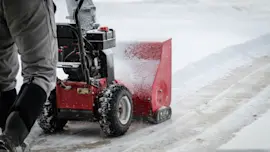
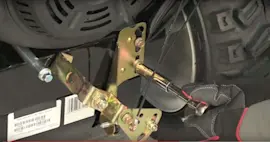
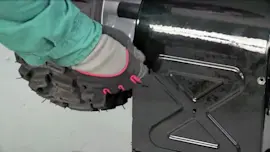
Owner’s manual
 View engine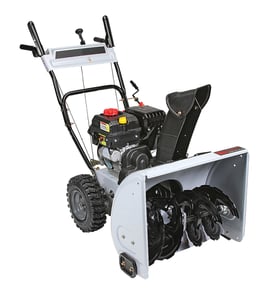



Should I use 87 or 91 for snowblower?
For the Craftsman snow thrower model 247886911, use fresh regular unleaded gasoline with a minimum of 87 octane; 91 octane does not improve power or reliability in normal operation. For storage, treat fuel properly so the carburetor does not gum up (see the 247886911 owner's manual).
What to use (and what to avoid)
- Use 87 octane or higher regular unleaded.
- Use fresh fuel (older fuel can cause hard starting and rough running).
- Use fuel stabilizer if the snowblower may sit more than a few weeks.
- Avoid stale fuel and fuel contaminated with water.
- Avoid overfilling; leave room for expansion under the gas cap.
Storage guidance (prevents gummed fuel system)
The manual calls out that engines stored over 30 days should have fuel handled to prevent deterioration and gum formation.
- If storing 30 days or longer, run the engine until it stops to remove fuel from the tank.
- Change engine oil before long storage.
- Clear snow from the machine before storing to help prevent freeze-up.
Quick storage options
| Situation | Best practice | Why |
|---|---|---|
| Using weekly in season | Keep fresh 87 octane in the tank | Reliable cold starts |
| Parking it for a month+ | Run engine until it stops (fuel depleted) | Helps prevent varnish and gum |
| End of season | Fuel management plus oil change | Reduces corrosion and starting issues |
Why it matters
Most snowblower fuel problems come from fuel aging, not octane rating. Using 87 octane fresh fuel and storing it correctly helps protect the carburetor and keeps starting and throttle response consistent.
Last updated: January 2026
How to get rid of an old snowblower?
If you are getting rid of a Craftsman snow thrower model 247886911, the best options are recycling or scrap metal drop-off (after draining fuel and oil), municipal bulky-item pickup, donation if it still runs, or a junk-hauling service. Prep it safely first so it can be accepted.
Safe prep steps (do this before disposal)
- Run the engine until it stops to use up fuel, then drain any remaining gasoline from the tank.
- Drain engine oil into an approved container and take it to an oil recycling location.
- Remove the ignition key and disconnect the spark plug wire to prevent accidental starting.
- Clear packed snow and ice from the auger housing and chute; use the clean-out tool, not your hands.
- Wipe the machine down so it is easier to handle and inspect.
Disposal options and when to use them
| Option | Best when | What to expect |
|---|---|---|
| Scrap yard or metal recycler | Unit is broken or not worth repairing | Usually requires fluids drained; may pay by weight |
| Municipal bulky pickup | Your city offers seasonal bulky collection | Rules vary; may require scheduling and fees |
| Donation | Unit runs and is safe to operate | Some charities accept outdoor power equipment |
| Junk removal | You want it gone fast with minimal effort | Higher cost; they handle loading |
Why it matters
Gasoline and oil are regulated waste in many areas. Draining fluids and disabling the engine helps you avoid leaks during transport and makes it more likely a recycler, donation center, or hauler will accept your snowblower.
Helpful reference
For safety reminders like shutting off the engine, removing the ignition key, and using the chute clean-out tool, follow the 247886911 owner's manual.
Last updated: January 2026
What is the typical lifespan of a gas snowblower?
A typical gas snowblower lasts 10 to 15 years with normal homeowner use and consistent maintenance. For the Craftsman 247886911, the operator guidance also references an average useful life of 7 years or about 60 hours; regular upkeep can extend real-world service life beyond that.
What “lifespan” means for the Craftsman 247886911
Manufacturers often publish an “average useful life” tied to hours of operation and safety inspections, while owners usually think in calendar years.
| Measure | What it’s used for | Typical expectation |
|---|---|---|
| Average useful life | Safety and inspection guidance | About 7 years or 60 hours |
| Practical service life | How long it keeps working well | About 10 to 15 years |
| Extended life (well maintained) | Light to moderate use, good storage | About 15 to 20 years |
Maintenance habits that add years
We see the longest-lasting Craftsman gas snowblowers get consistent seasonal care and quick repairs when wear parts start slipping.
- Change engine oil on schedule and before long storage
- Use fresh fuel and drain/run fuel out before off-season storage
- Clear snow from the machine after use to help prevent freeze-up
- Inspect for loose hardware, damage, and worn controls regularly
- Replace worn wear items (skid shoes, shave plate, belts, cables) before they cause bigger damage
- Store away from ignition sources and follow the storage steps in the Craftsman 247886911 operator’s manual
Quick wear-part check (common “end of life” triggers)
If the snowblower still starts and runs but performance drops, these are the usual culprits.
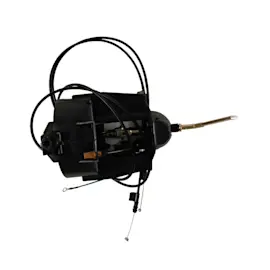
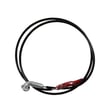
- Auger will not pull snow in: stretched or damaged cable (example: snowblower auger clutch cable 746-04230)
- Poor scraping or uneven clearing: worn shave plate or skid shoes
- Drive slips or won’t move: worn drive belt or friction wheel rubber
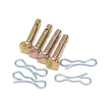
- Excess vibration or auger stops suddenly: damaged shear pin (example: Craftsman snowblower shear pin 738-04124A)
Why it matters
A snowblower can “run” for years while becoming less safe or less effective. Following the manual’s inspection and storage guidance helps prevent mid-storm breakdowns and reduces the chance of damage to the auger, gearbox, and drive system.
Last updated: January 2026
What Craftsman snowblower do I have?
If you’re on this Craftsman snow thrower parts page, your snowblower model is Craftsman 247.886911 (often shown as 247886911 on parts listings). Confirm it by matching the model tag on the machine to the model number shown in the 247886911 owner's manual.
Where to find the model number on the machine
On Craftsman snowblowers, the model number is printed on an identification label attached to the unit. Common places to check include:
- Rear of the frame near the wheels
- Side of the auger housing (front bucket)
- Handle support area or frame rail
- Under the belt cover area (on some builds)
- Near the engine mounting plate
Model number vs. engine number (why both matter)
Your snowblower model number identifies the chassis and snow-throwing components (auger, impeller, drive system). The engine often has its own model/type code used for engine-specific parts.
- Use snowblower model 247886911 for: auger parts, belts, skid shoes, shave plate, chute controls
- Use the engine model for: carburetor parts, ignition parts, gaskets, recoil starter parts
Quick ID checklist (fast confirmation)
Use this checklist to make sure you are reading the correct tag:
- The label shows 247.886911 or 247886911
- The brand reads Craftsman
- The unit is a two-stage snow thrower (auger plus impeller)
- The auger housing is typically around 26 inches wide for this model family
Common “look-alike” numbers (avoid mix-ups)
| What you see | What it usually means | What to do |
|---|---|---|
| 247.886911 | Snowblower model number | Use for most parts lookups |
| Engine model/type code | Engine identification | Use for engine-only parts |
| Serial number | Production identifier | Not used for most parts ordering |
Why it matters
Using the correct model number prevents ordering the wrong belt, cable, or auger hardware. For example, the auger control system on this model uses a specific cable length and fittings, so matching the model first saves time and returns.
Last updated: January 2026