Owner’s manual




Can I replace a rangehood myself?
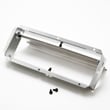
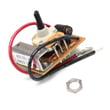
Yes, you can replace the Kenmore range hood model 23352052003 yourself if you’re comfortable with basic mechanical installation and safe electrical work; the key decision is whether it’s plug-in (typically DIY-friendly) or hardwired (often best handled by a qualified electrician). For model-specific mounting and wiring details, use the 23352052003 owner's manual.
Before you start: plug-in vs. hardwired
- Plug-in cord: You usually remove the old hood, mount the new hood, then plug it into a receptacle.
- Hardwired: You’ll be working inside a junction box with household wiring; shut off the breaker and follow local electrical requirements.
- If your current hood is hardwired and you want a plug-in setup, use the correct power connection parts (for example, a cord kit SHCK44 if your installation calls for it).
DIY checklist (what we recommend)
- Turn off power at the breaker; confirm the hood is dead before touching wiring.
- Verify venting type: ducted (to outside) vs. non-ducted (recirculating).
- Inspect and clean/replace filters while the hood is down.
- Confirm the duct size and condition; replace crushed or greasy ducting.
- Plan for a helper; hoods are awkward to hold while fastening.
Common parts you may replace during installation
| What you’re fixing | Symptom | Example part for this model |
|---|---|---|
| Grease filtration | Grease buildup, poor airflow | Range hood grease filter (S99010316) |
| Recirculating odor control | Smells linger | Range hood charcoal filter (S99010317) |
| Air path to vent | Weak exhaust, rattling duct | Range hood vent duct, 6-in (406) |
Why it matters
A correct install protects your cabinets and wiring, improves airflow, and reduces noise. A miswired or poorly vented range hood can trip breakers, underperform, or move grease and moisture into places you do not want.
Related help: range hood doesn't work at all
Last updated: January 2026
How do I know what model range hood I have?
To identify your Kenmore range hood model, find the rating label and match the model number printed there. On many hoods, the label is on the top of the hood, on the underside, or behind the grease filter; confirm the format in the 23352052003 owner's manual.
Where to look for the model number label
Check these common spots on a Kenmore range hood:
- On the top surface of the hood (often easiest to see from above cabinets)
- On the underside of the hood near the lights or fan intake
- Behind or beside the grease filter (remove the filter to look for the label)
- Inside the hood near the wiring compartment cover
- Along an inner side wall of the hood canopy
What the label usually shows
Most range hood rating labels include several identifiers. Use the model number for parts lookup.
| Label item | What it’s used for | Example (format) |
|---|---|---|
| Model number | Correct parts and diagrams | 23352052003 |
| Serial number | Manufacturing date tracking | Letters and numbers |
| Electrical rating | Verifying power requirements | Volts/amps |
Tips to avoid ordering the wrong parts
If the label is hard to read or missing, these steps help narrow it down:
- Clean grease buildup gently so the printed model number is readable
- Write down the full model number exactly as shown (all digits)
- Compare your hood’s switch style and filter style to your unit before ordering
- If you’re replacing a common item (filter, switch, motor), match by model first, then by part ID
Why it matters
Kenmore range hoods can look similar across model series, but the venting setup, fan motor, light switch, and filters can differ. Using the exact model number helps ensure the replacement part fits and mounts correctly.
Last updated: January 2026
What is the life expectancy of a range hood?
Most Kenmore range hoods like model 23352052003 last 10 to 20 years (about 15 years is typical) when the grease filter is cleaned regularly and the venting stays clear. The fan motor and switches usually wear out first when grease buildup and heat are constant.
Typical lifespan and what affects it
A range hood’s service life depends more on maintenance and cooking habits than the hood body itself.
- Light to moderate cooking (few times per week): often closer to 15 to 20 years
- Heavy daily cooking (high heat, frying): often closer to 10 to 15 years
- Recirculating setups (charcoal filter): filter maintenance becomes more critical
- Poor airflow (blocked duct or dirty filters): motor runs hotter and fails sooner
- Grease buildup on blower wheel and housing: increases noise and strain
Maintenance that extends life
Use these habits to keep the motor, fan switch, and light switch from wearing out early.
- Wash or replace the grease filter on a routine schedule
- Replace the charcoal filter on recirculating installations
- Wipe the underside and fan intake to prevent sticky grease layers
- Run the fan a few minutes after cooking to clear heat and moisture
- Keep the duct path as straight and unobstructed as possible
| What you maintain | What it protects | Typical benefit |
|---|---|---|
| Grease filter | Motor and blower wheel | Less strain, less noise |
| Charcoal filter (recirc) | Odor control and airflow | Better performance |
| Vent duct | Airflow and motor temperature | Longer motor life |
Parts that commonly need replacement over time
If the hood still has power but performance is dropping, these are common wear items for this model family.
- Range hood grease filter S99010316
- Range hood charcoal filter S99010317
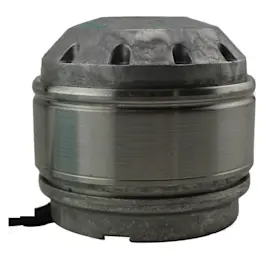
- Motor (gray) 99080667
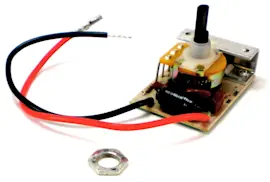
- Range hood fan switch SR99030319
Why it matters
A range hood that is nearing end-of-life often gets louder, moves less air, and leaves more grease on cabinets. Keeping filters and venting clean reduces heat load on the motor, which is the most expensive component to replace.
For model-specific care and cleaning guidance, follow the 23352052003 manual.
Last updated: January 2026
What are common hood kitchen problems?
Common problems with the Kenmore range hood model 23352052003 include the fan not running, weak airflow, loud or rattling noise, lights not working, and lingering odors from grease buildup. Our best first step is to follow the cleaning and inspection guidance in the 23352052003 owner's manual.
Most common symptoms (and what they usually mean)
- Hood won’t turn on: tripped breaker, loose wiring, bad switch, or failed motor.
- Fan runs but airflow is weak: clogged grease filter, blocked duct, stuck damper, or charcoal filter saturated (recirculating setups).
- Excessive noise or vibration: loose mounting screws, bent blower wheel, debris in the blower, or worn motor.
- Lights don’t work: burned-out bulb, bad socket, or failed light switch.
- Odors linger: dirty grease filter, overdue charcoal filter replacement, or poor ducting.
Quick checks we recommend before replacing parts
- Power: confirm the breaker is on and the hood has power.
- Filters: remove and clean the grease filter; replace charcoal filters if used.
- Air path: check for a blocked vent cap, crushed duct, or stuck backdraft damper.
- Noise source: with power off, spin the blower by hand to check for rubbing or debris.
- Switches: if one function fails (fan or light), the related switch is a common suspect.
Parts that commonly solve these problems
| Symptom | Common part to check | Example for this model |
|---|---|---|
| Fan won’t run or is intermittent | Fan switch or motor | Range hood fan switch SR99030319, motor (gray) 99080667 |
| Weak airflow and odors | Filters | Range hood grease filter S99010316, range hood charcoal filter S99010317 |
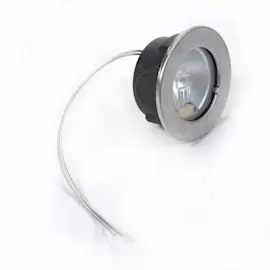
| Lights don’t work | Light switch or reflector area | Range hood light switch SR561138, reflector (white) 97018564 |
Why it matters
A range hood that is noisy, weak, or not venting well lets grease and moisture build up on cabinets and walls, and it can shorten the life of the fan motor and switches.
Related DIY help
Last updated: January 2026