 Installation guide
 Owner’s manual



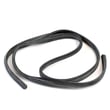
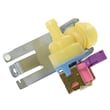

What if I can't find my part on Sears PartsDirect?
If you can’t find a part for your GE GDF511PSR0SS dishwasher, we recommend confirming the full model number and then using the part diagrams and part descriptions from the GDF511PSR0SS owner's manual to match what you need; if it still doesn’t show up, contact Sears PartsDirect support with your model and serial number for a precise lookup.
- Confirm the model number is GDF511PSR0SS (check the label on the left-hand tub wall just inside the door).
- Search using the part ID (example: WD19X25461) instead of a description like “drain pump.”
- Try alternate terms: “wash pump,” “sump,” “door latch,” “water valve,” “spray arm.”
- Compare your part visually to the diagram and note any wire connectors, ports, or mounting tabs.
- If you’re replacing a leak or no-drain issue, verify the failure point before ordering (hose, clamp, pump, gasket).
| Symptom or need | Part to check first | What it does |
|---|---|---|
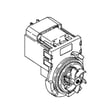
| Not draining | Dishwasher drain pump WD19X25461 | Pumps water out to the drain line |
| Not filling | Water valve assembly | Lets water into the dishwasher |
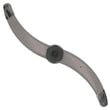
| Poor cleaning | Lower spray arm | Spins and sprays water at dishes |
| Door won’t latch | Door latch | Keeps the door closed so the cycle can run |
Dishwasher parts are often model-specific; using the exact model number and matching the part by ID prevents ordering a similar-looking GE part that won’t fit, seal, or connect correctly.
Last updated: February 2026
What is the average life expectancy of a GE dishwasher?
A GE dishwasher typically lasts 10 to 12 years. For your GE GDF511PSR0SS, lifespan depends most on water quality, how often it runs, and routine care like keeping the interior clean and preventing mineral buildup (details in the GDF511PSR0SS owner's manual).
Most dishwashers fall into a predictable range based on use and maintenance.
- Typical GE dishwasher lifespan: 10 to 12 years
- Common overall range: 8 to 15 years
- Heavy daily use or hard water: tends toward the lower end
- Moderate use with regular cleaning: tends toward the higher end
| Usage pattern | What we typically see | What helps most |
|---|---|---|
| 1+ loads per day | Shorter lifespan | Keep spray arms clear, prevent scale |
| 3 to 5 loads per week | Average lifespan | Monthly cleaning, correct detergent |
| Light use | Longer lifespan | Run hot water before starting, avoid long idle periods |
These habits reduce strain on the wash system, heater, seals, and control components.
- Use the right detergent amount for your water hardness (too much can cause etching and residue)
- Clean and de-odorize the tub periodically (citric acid or dishwasher cleaner)
- Keep the door area clean so the seal can do its job
- Load so spray arms can spin freely and water can reach all racks
- Address draining or filling issues early so the pump is not overworked
A dishwasher that is kept free of mineral deposits and wash debris runs with better water flow and heating performance. That reduces wear on key components like the wash pump, drain pump, and heating system, which are common drivers of end-of-life failures.
Last updated: February 2026
What is the most common problem with GE dishwashers?
The most common GE dishwasher problems are draining issues, poor cleaning or drying, and “won’t start/won’t run” symptoms. On the GE GDF511PSR0SS, these usually trace back to a clogged drain path, loading or detergent problems, or a door latch/control issue; our GDF511PSR0SS owner’s manual walks through the key checks.
- Not draining: Clear the filter area and check for a blocked drain hose or disposer inlet plug.
- Not cleaning well: Make sure dishes are not blocking the detergent dispenser; the manual notes tall dishware can prevent proper dispensing.
- Detergent left in the cup: Re-load so spray can reach the dispenser; avoid blocking the dispenser door.
- Suds/foam: Use only automatic dishwasher detergent (never hand dish soap); suds reduce wash performance.
- Not drying: Confirm rinse aid use and hot water supply; low inlet temperature commonly reduces drying.
- Won’t start/won’t run: Confirm the door fully latches; a weak latch can stop the cycle from starting.
| Symptom | Most likely area | Model-matched part to consider |
|---|---|---|
| Won’t start or stops when door moves | Door latch/door switch alignment | Door latch WD01X29878 |
| Standing water after cycle | Drain path or drain pump | Dishwasher drain pump WD19X25461 |
| Poor wash coverage, food left behind | Spray arm(s) clogged or not spinning | GE dishwasher spray arm, lower WD22X33499 |
| Not heating or poor drying | Heater circuit | Dishwasher heating element WD05X35098 |
These “common problems” often share the same root causes: restricted water flow (clogs), incorrect detergent or loading (dispenser blocked), or a safety interlock (door latch). Fixing the basic cause first prevents repeat failures and avoids replacing good parts.
- Use the troubleshooting and loading guidance in the GDF511PSR0SS owner’s manual.
- If you see a code or blinking pattern, match it using GE electronic dishwasher error codes.
Last updated: February 2026
Can I replace dishwasher parts myself?
Yes, for the GE GDF511PSR0SS dishwasher, many common repairs are DIY-friendly if you shut off power and water first and follow the steps in the GDF511PSR0SS installation guide. For electrical diagnostics, wiring, or control issues, we recommend using the GDF511PSR0SS owner's manual and stopping if anything looks unsafe.
These jobs typically require basic mechanical skill and simple hand tools:
- Spray arms (clogs, cracks, poor wash performance), such as the GE dishwasher spray arm, lower WD22X33499
- Door latch and strike alignment issues
- Tub gasket if you see leaks at the door opening
- Drain pump if the dishwasher won’t drain and the filter area is clear
- Water valve assembly if the unit won’t fill and the supply is confirmed on
The manual emphasizes disconnecting power before maintenance and avoiding repairs not specifically recommended. Use a qualified technician for these if you are not experienced:
- Control board and UI board troubleshooting (shock risk, miswiring risk)
- Harness and grounding issues
- Heating circuit problems (heater, wiring, control)
| Repair type | Typical DIY difficulty | Common parts involved |
|---|---|---|
| Not cleaning well | Easy to moderate | Spray arms, sump area |
| Not draining | Moderate | Drain pump, hose clamp |
| Won’t start | Moderate to hard | Door latch, control fuse, control board |
| Leaking | Moderate | Tub gasket, door components |
- Turn off the breaker (do not rely on the door switch)
- Shut off the dishwasher water supply valve
- Protect floors; keep towels ready for hoses and pumps
- Take photos of wire and hose routing before removal
- Confirm the dishwasher can be removed for service (installation guidance calls this out)
Dishwashers combine water, heat, and electricity. A simple part swap (like a spray arm) is usually straightforward, but wiring, grounding, and control-board work can create shock hazards or repeat failures if installed incorrectly.
Last updated: February 2026





