
How much should a central air conditioning unit cost?
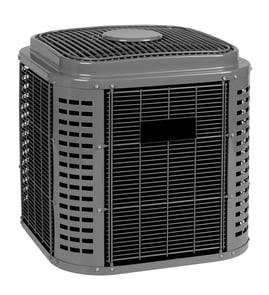
A central air conditioning unit typically costs $3,000 to $15,000+ installed, depending on size (tonnage), efficiency (SEER2), brand, and your home’s ductwork and electrical needs. For an Icp CA1024QKA1 system, the installed price is driven more by installation scope than by the replacement parts cost.
What’s included in the price (and what isn’t)
Installed pricing usually combines equipment plus labor and job materials. Common line items include:
- Outdoor condenser and indoor evaporator coil (or coil match)
- Refrigerant line set work (reuse or replace)
- Electrical disconnect, whip, and breaker updates if needed
- Condensate drain work and safety switches
- Permits, startup, evacuation, and refrigerant charge adjustments
- Ductwork repairs or resizing (if airflow is inadequate)
Typical installed cost ranges by scenario
These ranges help you sanity-check quotes for a central AC replacement.
| Scenario | Typical installed range | What usually drives it |
|---|---|---|
| Basic replacement, existing ductwork in good shape | $3,000 to $7,000 | Straight swap, minimal electrical or line set work |
| Mid-range efficiency upgrade | $6,000 to $10,000 | Higher-efficiency equipment, coil match, more labor |
| High-efficiency or complex install | $10,000 to $15,000+ | Ductwork changes, electrical upgrades, difficult access |
How to compare contractor quotes (quick checklist)
Use this list to compare apples to apples:
- Exact equipment match: condenser model, coil model, and rated SEER2 pairing
- Scope clarity: line set replacement, pad, disconnect, and thermostat included
- Refrigerant handling: evacuation and weigh-in procedures included in writing
- Airflow verification: static pressure and temperature split checks at startup
- Warranty details: parts warranty, labor warranty, and registration requirements
Why it matters
A low quote often excludes critical work (like line set replacement or airflow corrections), which can shorten compressor life and reduce comfort. A well-scoped install protects efficiency, reliability, and long-term operating cost.
Parts cost vs. system cost
If you’re troubleshooting instead of replacing the whole unit, individual repairs can be far less than a full replacement. For example, electrical control issues are often tied to a capacitor 12986 or a condenser fan motor, depending on symptoms.
Last updated: January 2026
Is it worth repairing a 10 year old air conditioner?
Yes, repairing a 10-year-old Icp central air conditioner model CA1024QKA1 is usually worth it when the problem is a normal wear item (like a capacitor or contactor) and the repair cost is reasonable; replacement makes more sense when you have repeated breakdowns or a major sealed-system or compressor issue.
A practical repair vs replace checklist
We use these quick checks to decide:
- Repair when the issue is electrical or airflow related (capacitor, contactor, condenser fan motor, wiring, dirty coil).
- Replace when you have multiple major failures in a short time (for example, compressor plus electrical plus refrigerant work).
- Repair when the unit has been reliable and this is the first significant problem.
- Replace when comfort is inconsistent (poor cooling, long run times) even after basic maintenance.
- Replace when the repair requires extensive labor and multiple parts at once.
Common “worth repairing” parts for CA1024QKA1
Many 10-year-old central AC repairs are straightforward because they involve common service parts.
| Symptom | Likely area | Example part for this model |
|---|---|---|
| Outdoor unit hums but fan will not start | Run capacitor | Capacitor 12986 |
| Outdoor unit will not start at all (thermostat calling) | Contactor or power issue | Contactor (listed for this model) |
| Fan runs slow, noisy, or stops | Condenser fan motor or blade | Central air conditioner condenser fan motor, 1/3-hp 1050703 |
Why it matters (cost and reliability)
At around 10 years, a central air conditioner often still has useful life left, so replacing a failed electrical component can restore reliable cooling quickly. On the other hand, repeated failures or major refrigerant and compressor problems typically signal higher ongoing costs and more downtime.
Before you decide, do these quick checks
- Confirm the thermostat is calling for cooling and the indoor blower is running.
- Check the outdoor disconnect and breaker (reset once if tripped).
- Look for burned wires or a chattering contactor.
- If you are testing electrical parts, use a meter safely; how to use a multimeter to test electrical parts video is a good refresher.
Last updated: January 2026
What is the average lifespan of a central air conditioning unit?
Most central air conditioning units last 15 to 20 years with normal use and consistent maintenance. For an Icp central air conditioner like model CA1024QKA1, lifespan depends heavily on coil cleanliness, correct airflow, electrical health, and whether key components (like the capacitor or contactor) are replaced before they cause bigger failures.
Typical lifespan ranges (what to expect)
- 15 to 20 years: Typical for a properly installed, maintained central AC system
- 10 to 12 years: Common when maintenance is skipped, airflow is restricted, or electrical parts overheat
- 20+ years: Possible when the outdoor unit stays clean, refrigerant charge stays correct, and wear parts are replaced promptly
| Condition | What usually happens | Likely lifespan impact |
|---|---|---|
| Regular maintenance (coil cleaning, airflow checks) | Lower strain on compressor and fan motor | Longer lifespan |
| Dirty condenser coil or blocked airflow | Higher head pressure, overheating | Shorter lifespan |
| Weak electrical start/run components | Hard starts, contactor chatter, motor stress | Shorter lifespan |
Parts that commonly affect lifespan
These are frequent wear items on outdoor condenser units; replacing them early helps prevent cascading damage:
- Run capacitor: A weak capacitor can overheat the condenser fan motor and cause hard starts
- Contactor: Pitted contacts can cause intermittent operation and electrical arcing
- Condenser fan motor and fan blade: Worn bearings or a damaged blade can reduce airflow and overheat the system
If you’re troubleshooting electrical or fan-related symptoms on CA1024QKA1, start with the capacitor 12986 and the central air conditioner condenser fan motor, 1/3-hp 1050703 when those match your unit’s specs.
Why it matters
A central AC that’s nearing end-of-life often costs more to keep running because efficiency drops and failures become more frequent. Catching a weak capacitor, failing fan motor, or worn contactor early can extend service life and help protect the compressor.
Last updated: January 2026