Owner’s manual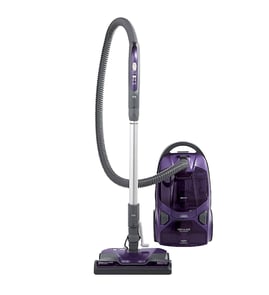


Where to find model number on Kenmore canister vacuum?
Your Kenmore canister vacuum model 11626212601 lists its model and serial numbers on the Model and Serial Number Plate on the vacuum. We recommend writing both numbers down because you will need them to look up the correct parts, filters, bags, and repair information in the owner's manual.
Where to look on the vacuum
On most Kenmore canister vacuums like model 11626212601, the Model and Serial Number Plate is typically found in one of these spots:
- On the canister body near the rear wheels
- On the underside (bottom) of the canister
- Near the cord rewind area or power cord exit
- Inside the bag compartment door (behind the bag cover)
- Near the motor housing label area
What the label looks like
The plate is usually a small sticker or metal tag that includes:
- Model number (for example, 116.26212 or 11626212601)
- Serial number
- Electrical rating information (such as volts/amps)
Model number formats you might see
Kenmore model numbers are often printed with or without a dot. These formats refer to the same model family.
| You might see | What it means |
|---|---|
| 116.26212 | Common manual format for this series |
| 11626212601 | Full model number used for parts lookup |
Why it matters
Using the exact model number helps us match the correct canister vacuum parts and avoid ordering the wrong bag type, filter style, hose, wand, or Power-Mate attachment components.
Last updated: February 2026
What is a canister hoover?
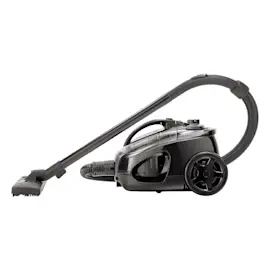
A canister hoover (canister vacuum) is a vacuum where the motor and dust bag sit in a separate canister that rolls on the floor, connected to a hose and wand. On the Kenmore 11626212601, this design helps you reach tight spaces while keeping strong suction.
How a canister vacuum is set up
A typical canister vacuum system includes:
- Canister body (motor, dust bag compartment, filters)
- Flexible hose with a swivel connection (helps maneuver in small areas)
- Wand and handle (for reach and control)
- Floor nozzle or Power-Mate (motorized brush head on many models)
- Suction control and pile height settings (to match carpet type)
How it works (simple explanation)
Airflow pulls dirt through the hose and internal passages into the dust bag; the bag traps debris while air continues through filters (motor safety filter and exhaust filter). Keeping airflow paths open and filters clean maintains performance. See the owner's manual for diagrams and the “How your vacuum cleaner works” section.
| Component | What it does | Common symptom if it needs attention |
|---|---|---|
| Dust bag | Captures dirt while allowing airflow | Poor pickup, odor, reduced suction |
| Motor safety filter | Protects the motor from fine debris | Overheating, reduced airflow |
| Exhaust filter | Helps reduce dust in exhaust air | Dusty smell, visible dust output |
| Hose and airflow passages | Carries debris to the bag | Whistling, loss of suction, clogs |
Why it matters
Canister vacuums are popular because the hose-and-wand setup makes it easier to clean stairs, under furniture, and edges without lifting a heavy upright body. The tradeoff is that clogs, a full bag, or dirty filters can reduce suction quickly.
Quick care tips for best suction
- Change the dust bag often; a full bag restricts airflow
- Check for clogs in the hose and airflow passages
- Replace or clean filters on schedule (motor safety filter and exhaust filter)
- Avoid fast, jerky strokes; slow passes clean better
- Do not run over the power cord with the Power-Mate
Last updated: February 2026
How do I know which vacuum bag to buy?
For your Kenmore canister vacuum model 11626212601, the right bag is the one that matches the bag mount style and bag collar used in this canister. The quickest way to confirm the correct bag type is to compare the bag’s cardboard collar and tab-lock fit to the bag installation steps in the owner's manual.
How to match the correct bag (what to check)
- Model match: Use model 11626212601 when searching bags so you do not mix similar Kenmore canister series.
- Collar style: Match the cardboard collar shape and the hole alignment to your current bag.
- Tab-lock fit: The bag should slide into the bag mount slots and lock into position (no forcing).
- No creasing: Do not bend or crease the middle of the cardboard collar during installation.
- Hood closure: If the bag is wrong or not seated, the hood may not close (the red bag mount flips forward until a bag is installed).
Bag material choices (paper vs synthetic vs HEPA)
Bag type affects filtration and how well airflow stays strong as the bag fills.
| Bag type | Best for | What you’ll notice |
|---|---|---|
| Paper | Everyday cleaning, lower cost | Fills faster; airflow can drop sooner |
| Synthetic (cloth-like) | Better durability and dust control | Stronger bag, less dust puff when changing |
| HEPA-rated | Allergies, fine dust | Best filtration; helps keep exhaust air cleaner |
When to change the bag (so you do not lose suction)
The manual calls out that fine powders and carpet fresheners can clog the bag and restrict airflow.
- Change the bag more often after vacuuming fine dust, powders, soot, or new carpet lint.
- Never reuse a dust bag; very fine material can clog it and cause it to burst.
- If suction drops or the vacuum runs hot, check for clogs and clogged filters before continuing.
Why it matters
Using the correct bag and installing it fully seated keeps airflow open, protects the motor from overheating, and helps the thermal protector avoid tripping during normal cleaning.
Last updated: February 2026
How long do Kenmore canister vacuums last?
A Kenmore canister vacuum like model 11626212601 typically lasts 8 to 12 years with normal household use and routine maintenance (bag changes, filter care, and keeping airflow clear). Heavy use, clogged filters, and worn belts can shorten that lifespan.
Typical lifespan and what affects it
Most canister vacuums reach their full service life when the motor stays cool and airflow stays strong.
- Use frequency: daily whole-home cleaning wears belts, brushes, and motors faster
- Bag and filter maintenance: full bags and dirty filters restrict airflow and overheat the motor
- Floor type: lots of carpet use increases brush roll and belt wear
- Debris type: fine dust (drywall, ash) clogs filters quickly
- Storage and handling: kinked hoses and cord-reel strain can cause early failures
Signs it is nearing end of life (or needs service)
These symptoms often point to a maintenance issue first, then a part wear issue if they persist.
| Symptom | Most common cause | What to do first |
|---|---|---|
| Weak suction | Full bag, clogged hose, dirty filters | Replace bag; clear clogs; clean/replace filters |
| Burning smell or hot canister | Restricted airflow, worn belt | Stop use; check bag/filters; inspect belt/brush |
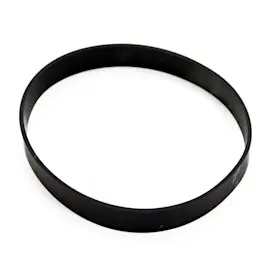
| Brush not spinning (Power-Mate) | Worn/broken belt, jammed brush roll | Remove debris; replace belt; clean brush roll |
| Loud whining/grinding | Bearing wear, debris in fan path | Check for clogs; inspect brush roll; service if needed |
Maintenance that extends life
We recommend following the care schedule in the owner's manual.
- Change the vacuum bag before it is packed full
- Replace or clean the motor safety filter as directed
- Replace the exhaust filter on schedule
- Keep the hose, wand, and nozzle air path clear
- Inspect the Power-Mate belt and brush roll for wear and wrapped hair
Why it matters
A canister vacuum’s motor depends on airflow for cooling. When bags, filters, or hoses clog, the vacuum runs hotter, performance drops, and long-term motor life is reduced.
Last updated: February 2026
What are the parts of the vacuum?
For the Kenmore 11626212601 canister vacuum, the main parts include the canister (motor and bag area), hose, wands, Power-Mate nozzle, and filters. Knowing these parts helps you assemble the vacuum correctly, maintain airflow, and troubleshoot issues like low suction or a brush that will not spin.
Main parts you will see on this model
- Canister: houses the motor, on/off switch, cord reel, dust bag, and filter compartments
- Dust bag and bag holder: captures debris; a full or clogged bag reduces suction
- Motor safety filter (electrostatic): protects the motor from fine dust (this filter is not washable)
- Exhaust filter and exhaust filter cover: helps trap fine particles before air exits the vacuum
- Hose (with electrical wires): carries airflow and power to the nozzle; replace if cut or punctured
- Wands (upper/lower): extend reach and connect the handle to the nozzle
- Power-Mate nozzle: motorized floor head with belt, brush/agitator, pile height pedal, and reset button
- Attachments: crevice tool, combination brush, and floor brush (varies by kit)
Quick “what it does” table
| Part | What it does | Common symptom when it needs attention |
|---|---|---|
| Dust bag | Holds dirt and dust | Low suction, bag may burst if overloaded with fine powders |
| Motor safety filter | Protects motor from dust | Burning smell, reduced airflow, motor strain |
| Exhaust filter | Cleans exhaust air | Dusty odor, more dust in room air |
| Hose and wands | Air path and reach | Whistling leak, weak pickup, intermittent power at nozzle |
| Power-Mate belt/brush | Agitates carpet | Brush not spinning, poor carpet cleaning |
Why it matters
When airflow is restricted (bag full, filters dirty, hose blocked), suction drops and the motor runs hotter. This model is designed to run with the dust bag and filters installed, and the hose contains electrical wiring, so damage there affects both safety and performance.
Where to confirm your exact configuration
Your kit can vary slightly by included attachments. We recommend matching what you have to the diagrams and “Parts and features” section in the owner's manual.
Last updated: February 2026