Owner’s manual
 Error Codes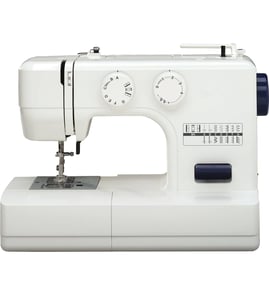

What year is the Kenmore sewing machine model 38517628890?
The Kenmore sewing machine model 38517628890 is part of the 385.17628 model family shown in the owner's manual. That manual does not list a single manufacture year; the exact year is typically identified by the machine’s serial number and the original purchase date (often found on the receipt or warranty paperwork).
How to pinpoint the exact year for model 38517628890
Use these checks in order; they are the fastest ways to narrow it down:
- Look for a serial number plate on the back, underside, or near the power connection.
- Compare the exact model format on the plate (for example, 385.17628 plus any suffix) to the manual’s model family.
- Check any original sales receipt or service paperwork; the purchase date is the most reliable timeline reference.
- If your machine shows an electronic error display, match any codes to the Kenmore 385 error codes guide.
- If you are missing labels, use the photos and identification tips in the owner's manual to confirm you are working from the correct model family.
What we can say from the manual (model-specific)
The documentation confirms the model family and key identifiers, which helps date the machine indirectly.
| Item | What to look for | Why it helps |
|---|---|---|
| Model family | 385.17628 | Confirms you are in the correct Kenmore 385 series |
| Foot controller model | YC-482J | Commonly tied to specific production runs and parts compatibility |
| Warranty language | 25-year head, 2-year electrical, 90-day parts | Often aligns with the era of sale paperwork and service records |
Why it matters
The year affects parts compatibility (motor, wiring, foot control), service procedures, and which troubleshooting steps apply. It also helps when you are matching symptoms like sluggish running, lockups, or fabric not feeding to the right repair path.
Last updated: February 2026
How do I find out how much my sewing machine is worth?
For a Kenmore sewing machine model 38517628890, value is set by real-world demand and condition, not the original price. Most machines sell for the most when they sew smoothly, include accessories, and have proof of the exact model and features from the owner's manual.
Quick steps to estimate value (accurately)
- Confirm the exact model number on the ID plate and match it to the manual (Kenmore 385-series models can look similar).
- Test basic operation: powers on, needle moves, feeds fabric, and stitches form correctly.
- Gather what you have: foot control/pedal, power cord, presser feet, bobbins, case, and manual.
- Clean it up lightly (dust and lint removal); do not oil randomly unless the manual calls for it.
- Compare against completed sales for the same model number and similar condition.
What changes the price the most
| Factor | Higher value when… | Lower value when… |
|---|---|---|
| Working condition | Runs smoothly, consistent stitches | Won’t run, locks up, timing issues |
| Completeness | Includes pedal, cords, accessories, case | Missing foot control or key parts |
| Cosmetic condition | Clean, minimal corrosion/cracks | Heavy rust, broken covers |
| Proof of model | Clear model/serial info | Model unclear or mismatched parts |
Why it matters
Two machines that look identical can sell for very different amounts because buyers pay for confidence: correct model identification, safe electrical operation, and predictable stitch quality. Your manual also lists safe-use basics (unplug before cleaning, correct bulb type, and proper foot control use), which helps you evaluate and describe the machine accurately.
Practical pricing approach
- Working and complete: price near the middle of what you see in completed sales.
- Working but missing accessories: price toward the low end.
- Not working: value is usually “for parts/repair,” often much lower than a working unit.
Last updated: February 2026
When did Kenmore stop making sewing machines?
Kenmore-branded sewing machines (including the Kenmore 38517628890) were discontinued years ago; Kenmore was a brand label, and production was handled by outside manufacturers. You will still see many Kenmore 385-series machines in use today, and you can rely on the owner's manual for operation, maintenance, and safety guidance.
What “stopped making” means for Kenmore sewing machines
Kenmore did not operate its own sewing-machine factories; instead, different manufacturers built machines that were sold under the Kenmore name. Over time, Sears stopped offering new Kenmore sewing machines, so the Kenmore sewing machine line effectively ended.
Common Kenmore model-family clues:
- 385 prefix: commonly associated with later-era machines built by Janome
- 148/158 prefixes: commonly associated with earlier Japanese-built machines
- Parts and accessories: availability varies by model family and production era
How to date your specific Kenmore 38517628890
The most reliable way to narrow down the era for a specific machine is to use the identification details already on the machine and in the documentation.
Check these items:
- Model number on the rating/ID plate: 38517628890
- Serial number (often on the back or underside)
- Manual cover pages and parts diagrams in the owner's manual
- Original purchase receipt (best for exact purchase date)
Why it matters
Knowing whether your Kenmore 38517628890 is an earlier or later production run helps you choose compatible needles, bobbins, presser feet, and maintenance steps. It also helps when troubleshooting issues like fabric not feeding, the machine locking up, or the motor not running.
Quick troubleshooting map (common “is it age or a fix?” questions)
| Symptom | Most common cause | First thing we check |
|---|---|---|
| Won’t turn on | Power cord/foot control/switch issue | Outlet, cord, switch position |
| Runs but needle won’t move | Jam, clutch, belt issue | Remove thread, clear jam, handwheel test |
| Fabric not moving | Feed dogs lowered or dirty | Feed dog setting, lint cleanup |
| Locks up | Thread jam or seized mechanism | Bobbin area, hook race, lubrication per manual |
If your machine displays an error code during operation, use the Kenmore 385 error codes guide to match the code to the most likely cause.
Last updated: February 2026
Where is the sewing parts online store?
If you are looking for sewing machine parts for your Kenmore model 38517628890, we sell replacement parts through Sears PartsDirect using your model number to match the correct components and accessories. For model-specific diagrams, maintenance info, and part identification, use the owner's manual.
How to find the right parts for Kenmore 38517628890
We recommend using the model number first, then narrowing by the system you are working on (needle area, bobbin/hook area, drive system, or electrical controls).
- Confirm the exact model number: 38517628890
- Identify the area: needle plate, hook cover plate, bobbin winder, presser foot, or motor/switch
- Use the part name from the manual (for example: thread tension dial or drop feed lever)
- Match symptoms to likely parts (feed dogs, belt, motor, wiring, foot control)
- Keep your machine’s nomenclature plate info handy when ordering
Helpful DIY troubleshooting (common “parts” problems)
If you are shopping because something is not working right, these guides help you pinpoint the most likely cause before you order.
- Fabric not feeding: sewing machine fabric not moving
- Machine binds or jams: sewing machine locks up
- Motor issues: sewing machine motor won't run
- Power problems: sewing machine won't turn on
- Needle drive issues: sewing machine needle won't move
Quick symptom-to-part area table
| What you notice | Most common area to check | Typical next step |
|---|---|---|
| Fabric not moving | Feed dogs, presser foot pressure, drop feed lever | Clean lint; verify feed is engaged |
| Machine locks up | Hook/bobbin area, thread path | Remove thread jam; clean hook race |
| Won’t turn on | Power switch, wiring, foot control | Check outlet; inspect cord and connections |
| Motor runs but sluggish | Belt/drive, lubrication, lint buildup | Clean and lubricate per manual |
Why it matters
Sewing machines often act like they need a “part” when the real fix is correct threading, cleaning lint from the hook/bobbin area, or engaging the feed mechanism. Using the manual’s part names helps you order the correct item the first time.
Last updated: February 2026
Is it worth repairing an old sewing machine?
Yes, repairing an older Kenmore sewing machine like model 38517628890 is usually worth it when the machine has a solid metal drive, runs smoothly after cleaning and oiling, and the repair cost is less than replacing it with a comparable mechanical machine. Use the owner's manual to confirm maintenance steps and safe operation.
Quick way to decide (cost vs. value)
- Repair it if it mostly needs cleaning, oiling, a belt, a motor brush service, or a basic adjustment.
- Repair it if it sews well but has a single symptom (fabric not feeding, sluggish running, intermittent power).
- Repair it if you use it regularly and want consistent stitch quality from a mechanical machine.
- Skip major repair if the machine has repeated electrical failures (switch, wiring, speed control) or severe internal damage.
- Skip repair if the machine was dropped, has a damaged cord/plug, or has been in water; those are safety-critical issues.
What “worth it” typically looks like
| Situation | Typical outcome | Best next step |
|---|---|---|
| Runs but feels tight or noisy | Often fixed with cleaning and correct oiling | Clean lint, oil the specified points, test on scrap fabric |
| Fabric not moving | Common feed dog or presser foot setup issue | Follow sewing machine fabric not moving checks |
| Motor hums or won’t run | Could be motor, foot control, wiring, or switch | Use sewing machine motor won't run troubleshooting |
| Machine locks up | Often thread jam, hook race lint, or timing-related drag | Start with sewing machine locks up steps |
Why maintenance matters on older machines
Older mechanical Kenmore machines often respond extremely well to routine care. The manual calls for keeping lint and dust cleared from ventilation areas and internal spaces, and oiling the machine at least yearly with quality sewing machine oil (using only a drop or two and wiping excess to prevent fabric stains). Following that schedule can prevent sluggish running, jams, and premature wear.
Practical repair tips before you spend money
- Unplug the machine before cleaning, removing covers, or oiling.
- Remove needle plate and clean lint around the hook race and feed dogs.
- Re-thread top and bobbin; replace the needle with the correct type/size for your fabric.
- Test stitch on scrap fabric after any adjustment.
- If you see an error code on a Kenmore 385-series machine, use Kenmore 385 error codes to narrow the cause.
Last updated: February 2026