Owner’s manual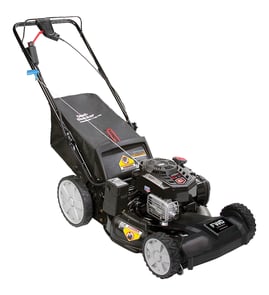


Are gas lawn mowers being phased out?
Gas walk-behind mowers like the MTD 11A-506L062 are not being phased out everywhere at once, but new gas equipment sales are trending downward in some areas as more electric models enter the market and certain local rules restrict new sales. For your mower, parts support and routine maintenance remain the practical focus. See the 11A-506L062 operator’s manual for safety, operation, and maintenance guidance.
What “phased out” usually means (and what it does not)
In most cases, “phased out” refers to new product sales shifting toward battery-electric options, not that existing gas mowers must be taken out of service.
- Existing gas mowers are typically still legal to own, use, and repair.
- Availability can vary by state, county, or city rules.
- Retailers may stock fewer gas models as demand shifts.
- Service items (spark plug, air filter, oil) remain standard maintenance.
- Safety requirements still apply, including cooling before storage and safe fueling practices.
What to do if you plan to keep your MTD 11A-506L062 running
The best way to “future-proof” a gas mower is consistent maintenance and using the correct replacement parts.
- Follow the maintenance schedule in the manual (oil checks, blade care, deck cleaning).
- Keep fasteners tight and inspect the blade for damage.
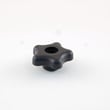
- Use the correct blade mounting hardware; a worn adapter can cause vibration.
- Store fuel safely; let the engine cool before storing.
- Disconnect the spark plug wire before cleaning or servicing the blade area.
Common parts owners replace over time
| Part | What it affects | Typical symptom when worn |
|---|---|---|
| Blade adapter | Blade mounting and alignment | Vibration, blade wobble |
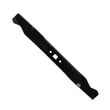
| Mulching blade | Cut quality and mulching | Ragged cut, poor mulching |
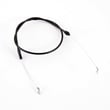
| Control cable | Engine stop and operator control | Handle does not stop engine reliably |
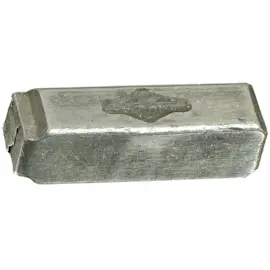
If you are seeing vibration or blade fit issues, the lawn mower blade adapter 748-0376e is a common wear item to inspect.
Why it matters
Even as the market shifts toward electric, a well-maintained gas mower can deliver reliable performance for many seasons. Keeping up with blade care, safe fueling, and correct parts fit helps protect the engine, deck, and operator safety.
Last updated: January 2026
What are the most common issues with 11A-506L062?
The most common issues we see on the MTD 11A-506L062 gas walk-behind mower involve cutting performance (vibration or uneven cut), self-propel/drive problems, and control or handle issues. These usually trace to normal wear items like the blade, blade adapter, drive belt, wheels, or control cables; use the 11A-506L062 owner's manual for model-specific checks and adjustments.
Common symptoms and likely causes
- Vibration, loud rattling, or wobble while mowing: bent/dull blade, loose blade hardware, worn blade adapter
- Uneven cut or poor mulching: dull blade, deck packed with wet grass, incorrect cutting height setting
- Mower will not self-propel or slips under load: worn or stretched drive belt, drive system out of adjustment, worn rear wheels
- Bail/engine control feels loose or engine won’t stay running: stretched/binding control cable, misrouted cable, damaged bail
- Cut height won’t hold or is uneven side-to-side: worn height adjuster lever/knob, loose fasteners, worn height bearing
Quick checks we recommend (before buying parts)
- Shut off engine, disconnect the spark plug wire, and tip the mower safely (carburetor and air filter up).
- Inspect the blade for bends and sharpen or replace if nicked.
- Check the blade mounting stack for looseness; inspect the adapter for cracks or rounding.
- Look for belt glazing, cracking, or slack if the drive feels weak.
- Verify both sides are set to the same height; confirm levers lock firmly.
Parts that commonly fix these problems
| Symptom | Part to inspect on this model | What to look for |
|---|---|---|
| Vibration or blade won’t stay tight | Lawn mower blade adapter 748-0376e | cracks, stripped splines, wobble |
| Weak or no self-propel | Belt, 22-in 942-0642a | fraying, glazing, stretching |
| Poor cut quality | Lawn mower mulching blade 942-0742a | dull edge, bends, heavy nicks |
| Engine control/bail issues | Control cable 946-0957 | kinks, broken strands, sticking |
| Height won’t hold | Lawn mower height adjuster lever 732-1026 | worn teeth, loose pivot |
Why it matters
Catching wear early prevents bigger failures, improves cut quality, and reduces vibration that can damage the crankshaft, wheels, and handle hardware.
Last updated: March 2026
What octane gas should I use in my lawn mower?
For the MTD 11A-506L062 gas walk-behind mower, we recommend using regular unleaded gasoline (87 octane). Higher octane does not add power in a small mower engine; the most important thing is using fresh, clean fuel and following the fueling and safety steps in the 11A-506L062 operator's manual.
Recommended fuel for this mower
Use fuel that matches these basics:
- 87 octane regular unleaded
- Fresh gasoline (do not use old fuel that has been sitting for weeks or months)
- Clean container approved for gasoline
- Fill only when the engine is off and cooled down
Quick comparison
| Fuel choice | OK to use? | What to expect |
|---|---|---|
| 87 octane regular unleaded | Yes | Normal starting and performance |
| 89 to 93 octane premium | Yes (not necessary) | No added power; costs more |
| Old/stale gas | No | Hard starting, surging, stalling |
| Gasoline spilled on deck/engine | No | Fire risk; clean up before starting |
Fueling and safety steps we follow
The operator guidance for this mower emphasizes safe fueling and storage practices. Use these steps every time:
- Shut the engine off and let it cool at least a couple minutes before refueling
- Refuel outdoors, away from sparks, cigarettes, or open flames
- Wipe up any spilled fuel immediately and move the mower away from the spill before starting
- Keep the mower free of grass and debris buildup to reduce fire risk
- Let the mower cool before storing it in a garage or shed
Why it matters
Using the right fuel helps prevent common mower problems like hard starting, rough running, and carburetor varnish. Safe fueling also reduces the risk of a fire around the muffler, fuel tank, and dry grass.
Last updated: January 2026