Installation guide
 Owner’s manual
 Error Codes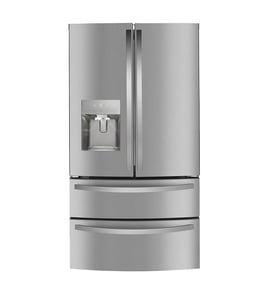


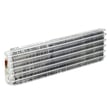

Can I look up Frigidaire parts by model number?
Yes. Looking up parts by model number is the most accurate way to get compatible replacement parts for your Frigidaire refrigerator model PLRU1778ES0, because it filters results to the exact door bins, gaskets, fan motors, and other components used on that unit.
How to find the correct model number
For PLRU1778ES0, the Use & Care information notes the model and serial numbers are on the serial plate inside the refrigerator compartment. Use only soap and water to clean that plate so the numbers stay readable. See the PLRU1778ES0 owner's manual.
Tips for a clean model-number match:
- Copy the full model number exactly as shown: PLRU1778ES0
- Include all letters and numbers (no spaces)
- Use the serial plate inside the fresh-food compartment
- If the plate is dirty, wipe gently with soap and water only
- Keep the model and serial recorded for future repairs
What you get when you search by model number
Searching by model number helps you avoid ordering a part that looks right but mounts differently or has different wiring.
| Search method | Best for | Risk level |
|---|---|---|
| Model number (PLRU1778ES0) | Exact-fit parts lists and diagrams | Low |
| Part number only | Reordering the same part you already confirmed | Medium |
| Visual match only | Emergency comparisons | High |
Example parts you can match to PLRU1778ES0
Once you search by model, you can quickly narrow to common replacement items such as:
- Refrigerator door gasket (black) 5304507206 for air leaks and warm spots
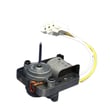
- Condenser motor 5303918774 if the condenser fan is noisy or not running
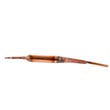
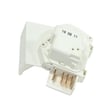
- Upright freezer defrost timer 5304518034 for defrost-cycle timing issues
Why it matters
A refrigerator’s cooling, defrost, and door-sealing systems are model-specific. Using PLRU1778ES0 ensures the part fits the cabinet, connects correctly, and restores proper temperatures without repeat repairs.
Last updated: February 2026
What are signs of a failing refrigerator?
A failing Frigidaire refrigerator (model PLRU1778ES0) typically shows up as poor or uneven cooling, excess frost or moisture, unusual noises, or a door that will not seal. Start by confirming temperature control settings and that the door closes tightly per the PLRU1778ES0 owner's manual.
Common warning signs to watch for
- Food spoils faster than normal or temperatures swing (warm spots, freezing in the fresh-food area)
- Excess condensation inside the cabinet or on packages
- Frost or ice buildup that returns quickly after defrosting
- Water puddles under or inside the refrigerator
- Unusual noises (clicking, grinding, loud fan noise) that persist
- The cabinet feels hot around the sides or back more than usual
- Door does not close or seal consistently (gasket gaps, door pops open)
Quick checks we recommend first
Before replacing parts, we use these basic checks because they solve many “dying fridge” complaints:
- Verify the temperature control is not set to OFF (OFF stops the compressor but does not cut power)
- Allow a full 4-hour cool-down period after plugging in or major loading changes
- Make sure packages do not extend past shelf fronts; this can prevent the door from sealing
- Confirm the refrigerator is level so the door closes easily when left halfway open
- Do not block cold air vents or overcrowd shelves
| Symptom | Most common cause | What to do next |
|---|---|---|
| Warm refrigerator, fan noise changes | Airflow problem or evaporator fan issue | Check for blocked vents; use how to fix your evaporator cooling fan for next steps |
| Moisture, frost, or door not sealing | Door alignment or gasket issue | Inspect gasket for gaps; clean and reseat; consider refrigerator door gasket (black) 5304507206 if torn |
| Clicking, runs a lot, poor cooling | Control or sealed-system issue | Confirm settings and airflow; if still poor, schedule service |
Why it matters
Catching these signs early helps prevent food loss and reduces strain on the compressor and fan motors. A simple leveling or door-seal correction can also stop moisture and frost problems that look like a major failure.
Last updated: February 2026
What is the most common problem with a Frigidaire refrigerator?
The most common Frigidaire refrigerator issue is a cooling problem (food section too warm, uneven temperatures, or frost and moisture problems). On model PLRU1778ES0, the most frequent root causes are restricted airflow, dirty condenser area, a door that is not sealing, or a defrost-system problem that allows ice to build up.
Quick checks we recommend first
- Confirm the temperature control is set correctly (the control is inside the refrigerator compartment); see the PLRU1778ES0 owner's manual.
- Allow a full cool-down period after start-up; plan on about 4 hours for safe food storage.
- Make sure food packages do not extend past the front of shelves (this can prevent the door from closing and sealing).
- Do not overcrowd shelves or block cold air vents; blocked vents cause longer run times and warmer temps.
- Verify the refrigerator is level so the door closes tightly; improper leveling can cause cooling, frost, or moisture problems.
Common causes and what they look like
| Symptom | Most likely cause | What to do next |
|---|---|---|
| Fridge warm, unit runs a lot | Airflow blocked, dirty condenser area | Clear vents, clean condenser area, recheck temps |
| Frost buildup, moisture on shelves | Door not sealing, door not closing | Inspect gasket, level cabinet, reduce overpacking |
| Warm temps plus heavy frost on back/evaporator area | Defrost system issue | Check for ice buildup patterns; service defrost components |
| Noisy or weak airflow | Evaporator fan issue | Inspect fan area for ice/obstructions; test fan motor |
Parts that commonly relate to cooling and frost issues
If your symptoms point to airflow or defrost problems, these model-matched parts are often involved:
- Motor 297309000 (evaporator fan motor): weak or no airflow inside the cabinet
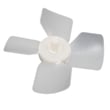
- Blade 5308000010 (evaporator fan blade): damaged blade can reduce airflow and add noise
- Refrigerator door gasket (black) 5304507206: leaks warm air in, causing moisture and frost
- Upright freezer defrost timer 5304518034: can prevent proper defrost cycling
- Refrigerator defrost bi-metal thermostat 216731001: can interrupt defrost operation
Why it matters
Cooling problems are usually caused by airflow, sealing, or defrost performance. Fixing the underlying cause protects food, reduces frost and moisture, and helps the compressor avoid excessive run time.
Last updated: February 2026
What's the life expectancy of a Frigidaire refrigerator?
A Frigidaire refrigerator typically lasts 10 to 15 years. With steady care (good airflow, correct temperatures, and routine cleaning), many units reach the upper end of that range and beyond. For model PLRU1778ES0, follow the maintenance guidance in the PLRU1778ES0 owner's manual.
Typical life expectancy (what to plan for)
Most refrigerators fall into these ranges when used in a normal home environment:
| Appliance type | Typical life expectancy |
|---|---|
| Standard refrigerator (most Frigidaire models) | 10 to 15 years |
| Well-maintained unit with light-to-moderate use | 15+ years |
What extends the life of a PLRU1778ES0 refrigerator
We see the longest-lasting refrigerators when owners stay ahead of airflow and temperature issues.
- Keep the fresh food section in the 34°F to 40°F range (the manual notes 37°F as an optimum target).
- Avoid overpacking shelves; restricted airflow causes uneven cooling and longer run times.
- Level the refrigerator so the door closes easily; the manual recommends setting the front leveling feet about 1/2 bubble higher so the door self-closes when left halfway open.
- Use vacation steps for long periods away (empty, unplug, clean, and leave the door slightly open to prevent odors and mold).
- Keep the unit away from heat sources and direct sunlight when possible.
Signs your refrigerator is nearing end of life
These symptoms often show up more frequently as sealed-system and control components age:
- Temperature swings or warm spots even after adjusting the control
- Excess frost, moisture, or persistent condensation
- Unusual fan or compressor noise that becomes constant
- Longer run times and higher energy use
- Repeated service needs for cooling or defrost problems
Why it matters
A refrigerator that runs warmer than intended can shorten food storage time, and a unit that runs constantly wears out key components faster. Keeping temperatures stable and airflow clear is the simplest way to protect the compressor, fans, and defrost system.
Last updated: February 2026