Owner’s manual
 View engine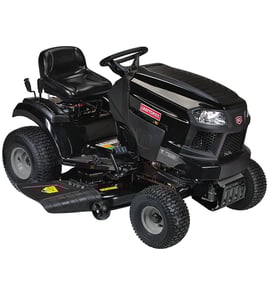




What are the parts of a tractor engine?
On the Craftsman tractor model 917273121, the engine is made up of core internal parts (crankshaft, cylinder head, valves, pistons) plus supporting systems (fuel, exhaust, lubrication, cooling, and electrical) that work together to create power and keep the engine running smoothly. For diagrams and exact part groupings, use the 917273121 owner's manual.
Main engine assemblies (what you will typically see listed)
Most tractor engines, including the Kohler CV22S shown for model 917273121, are organized into these assemblies:
- Cylinder head, valves, and breather (airflow in and out of the combustion chamber)
- Crankcase and crankshaft (bottom-end structure and rotating power output)
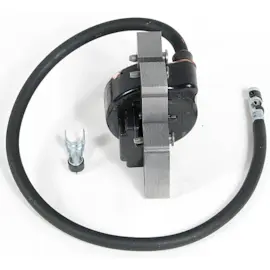
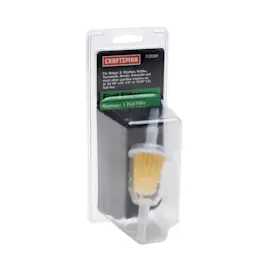
- Fuel system (carburetor, fuel lines, filter, tank connections)
- Exhaust system (exhaust gaskets, studs, muffler components)
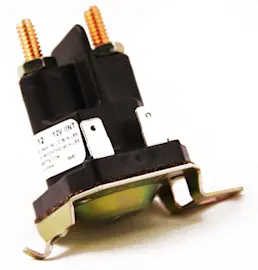
- Ignition and starting (key switch, safety interlocks, starter circuit)
- Lubrication (oil, seals, gaskets; oil pump on some designs)
Common “engine parts” customers ask about
These are the most common individual components people mean when they say “tractor engine parts”:
- Crankshaft
- Pistons and piston rings
- Connecting rods and bearings
- Cylinder head and head gasket
- Valves, valve springs, and valve guides
- Carburetor and carburetor gaskets
- Exhaust gasket(s)
Quick reference: internal parts vs. support systems
| Category | Examples | What it affects |
|---|---|---|
| Internal engine parts | crankshaft, pistons, valves | compression, power, oil control |
| Fuel and air | carburetor, fuel filter, air filter | starting, surging, stalling |
| Exhaust | exhaust gasket, muffler | noise, backpressure, performance |
| Electrical and controls | ignition switch, PTO switch | starting, safety shutoffs |
Why it matters
Knowing the assembly helps you pick the right diagram and parts list. For example, a no-start issue often points to fuel/ignition, while knocking or low compression points to internal parts like bearings, pistons, or valves.
Helpful related resource
If the engine cranks but will not run, follow the steps in riding lawn mower engine spins but wont start video.
Last updated: February 2026
What kind of engine does a Craftsman riding lawn mower have?
For Craftsman model 917273121, the owner’s manual identifies it as a 22.0 HP, electric-start, front-engine garden tractor. The manual page we use for this model focuses on operation and maintenance; it does not list the engine manufacturer (such as Briggs & Stratton) in the excerpted specs.
What we can confirm for model 917273121
From the 917273121 owner's manual, this tractor is described as:
- 22.0 HP engine rating
- Electric start
- Front-engine garden tractor design
- 46-inch mower setup (deck size referenced on the manual cover)
Where to find the exact engine brand and model
On most Craftsman tractors, the engine make and model are shown in a few consistent places:
- Engine shroud or valve cover label (often the quickest check)
- Emissions label near the muffler or blower housing
- ID tag under the hood or near the frame rail
- Engine model and type stamped on the engine (varies by manufacturer)
If you want the most accurate match for tune-up parts (spark plug, air filter, oil filter), use the engine’s model/type code from the label, then cross-reference it with the maintenance section in the manual.
Quick spec snapshot (from the manual)
| Item | Specification |
|---|---|
| Horsepower | 22.0 HP |
| Starting system | Electric start |
| Fuel capacity | 3.5 gallons |
| Oil type | SAE 10W-30 (above 32°F), SAE 5W-30 (below 32°F) |
Why it matters
The engine brand and exact model determine the correct spark plug, air filter, fuel filter, and oil filter. Even within the same tractor model, different production runs can use different engines, so reading the engine label prevents ordering the wrong maintenance parts.
Last updated: February 2026
What kind of oil do you use in a Craftsman lawn tractor?
For the Craftsman lawn tractor model 917273121, use SAE 10W-30 engine oil in warm weather (above 32°F) and SAE 5W-30 in cold weather (below 32°F). The manual lists these viscosities under the engine oil type specification; see the 917273121 owner's manual.
Recommended oil type and when to use it
Use the viscosity that matches your typical starting temperature:
- Above 32°F: SAE 10W-30
- Below 32°F: SAE 5W-30
- Use a quality 4-cycle engine oil that meets common small-engine standards (the manual references API SF/SG/SH)
- Check oil on level ground before each use
- Do not overfill past the FULL mark on the dipstick
Oil capacity for model 917273121
The manual lists these fill amounts:
| Configuration | Oil capacity |
|---|---|
| With oil filter | 4.2 pints |
| Without oil filter | 3.7 pints |
Quick oil-check steps (before starting)
We recommend following the same dipstick method described in the manual:
- Park the tractor on a level surface
- Remove the oil fill cap/dipstick and wipe clean
- Reinsert the dipstick (rest cap on the tube, do not thread it)
- Pull and read the level; add oil to reach FULL
- Reinstall the cap securely before starting
Why it matters
Using the correct viscosity helps your engine lubricate properly at startup and under load. Too-thick oil can make cold starts harder; too-thin oil in heat can reduce protection when mowing and towing.
Last updated: February 2026