Owner’s manual


What is the silver thing on the back of the dryer called?
On the Whirlpool WED5050LW0 electric dryer, the silver tube/pipe connection on the back is the dryer exhaust vent connection (also called the vent outlet); it’s where the 4-inch metal vent duct attaches to carry moist air and lint outdoors. See the venting section in the WED5050LW0 owner’s manual.
Depending on your setup, the “silver thing” may be one or more of these venting pieces:
- The dryer’s exhaust outlet collar (built into the dryer)
- A 4-inch rigid metal duct or flexible metal duct connected to the outlet
- A 4-inch clamp securing the duct to the outlet
- An elbow (45° or 90°) used to turn the duct toward the wall vent
- The home’s wall vent and exterior exhaust hood (outside)
We recommend these basics for safe, efficient drying:
- Use 4-inch (102 mm) heavy metal vent (rigid metal is best)
- Avoid plastic vent and foil-type vent
- Keep the run as short and straight as possible
- Limit bends; each elbow reduces airflow
- Clean lint from the full vent path regularly (including the outside hood)
| What people call it | What it usually means |
|---|---|
| “Silver hose” | Flexible metal vent duct |
| “Vent pipe” | Rigid metal duct |
| “Back vent” | Rear exhaust outlet on the dryer |
| “Exhaust” | The entire vent system from dryer to outdoors |
Good airflow through the vent system helps your Whirlpool WED5050LW0 dry faster, use less energy, and reduce overheating issues caused by restricted exhaust.
Last updated: January 2026
What is the life expectancy of a Whirlpool dryer?
Whirlpool electric dryers like model WED5050LW0 typically last 10 to 15 years with normal household use. Consistent airflow maintenance (lint screen and venting) and addressing wear items early can push real-world life closer to the high end.
We see dryer longevity swing widely based on a few controllable factors:
- Airflow and venting: restricted venting overheats components and shortens life
- Lint control: cleaning the lint screen every load reduces heat stress
- Load size: chronic overloading strains the drive system and motor
- Heat exposure: repeated overheating can trip or weaken safety thermostats/fuses
- Wear parts: belts, rollers, and pulleys wear gradually and are usually repairable
For model-specific care steps and venting guidance, follow the maintenance section in the WED5050LW0 dryer owner’s manual.
| Usage pattern | Typical expectancy | Notes |
|---|---|---|
| Light (few loads/week) | 12 to 15 years | Best-case with good venting |
| Average (most households) | 10 to 15 years | Most common range |
| Heavy (daily loads) | 7 to 12 years | More wear on motor and drum support |
If your WED5050LW0 is otherwise in good shape, these repairs often restore performance:
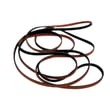
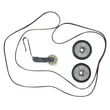
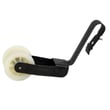
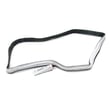
- Drum not turning or squealing: inspect the belt 341241
- Dryer runs but stops due to overheating: check venting first; then consider the dryer thermal fuse WP3392519
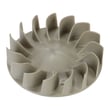
- Long dry times: clean lint screen and vent path; inspect blower wheel and housing for lint buildup
A dryer that is clean, properly vented, and not overloaded runs cooler and more efficiently. That reduces nuisance shutdowns, improves dry times, and helps expensive components like the drive motor and control stay reliable longer.
Last updated: January 2026
What is the most common problem with whirlpool dryers?
For the Whirlpool WED5050LW0 electric dryer, the most common real-world issue we see is poor drying or no heat caused by restricted airflow (lint buildup or a crushed/long vent). That overheating can also lead to a blown thermal fuse, which stops heat or can stop the dryer entirely. See the venting and maintenance guidance in the WED5050LW0 owner’s manual.
- Clean the lint screen before every load; residue buildup can also block airflow.
- Check the outside vent hood for a stuck flap, lint, or debris.
- Inspect the vent behind the dryer for crushing, kinks, or excessive length.
- Avoid plastic or foil venting; use 4-inch heavy metal venting.
- If drying times suddenly got longer, assume airflow first, not the heater.
| Symptom | Most common cause | What to check next |
|---|---|---|
| Clothes take too long to dry | Vent restriction | Lint screen, vent run, outside hood |
| No heat but drum turns | Safety device opened from overheating | Airflow, then thermal fuse |
| Dryer won’t start | Door not sensed closed | Door switch and latch alignment |
| Drum won’t spin | Broken belt | Belt and drum support components |
If troubleshooting points to a failed component, these are common on this model family:
- Dryer thermal fuse WP3392519 (often opens after overheating from poor venting)
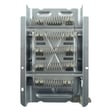
- Dryer heating element 279838 (no heat with good airflow and correct power)
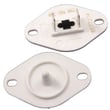
- Dryer door switch WP3406107 (won’t start when the door switch fails)
- Belt 341241 (motor runs but drum does not tumble)
Airflow problems do more than slow drying; they raise internal temperatures, which can trip safety devices and shorten the life of parts like the heating element, thermostats, and motor.
Last updated: January 2026