Owner’s manual
 Error Codes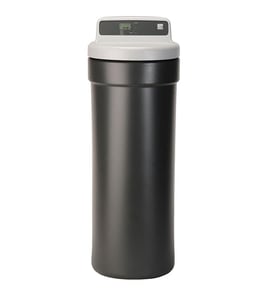


How do I tell what model water softener I have?
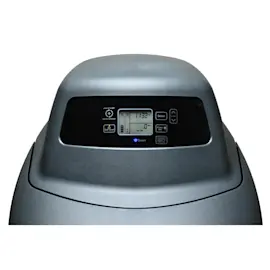
To tell what model water softener you have, we look for the model number on the unit’s identification label; on Kenmore units it’s commonly on the back of the control head, inside the cover, or on the rim of the salt tank. For your Kenmore water softener, the model number format looks like 625.######## (example: 625.348491); confirm the exact digits on the label and match them to the 625348491 owner's manual.
Check these common spots before you start disassembling anything:
- Back or side of the control head (behind the display)
- Inside the top cover or under the lid
- On the rim of the brine (salt) tank
- On the back of the cabinet near the power cord or plumbing connections
- On a sticker near the bypass valve or valve body
We recommend copying the information exactly as printed so you can order the right Kenmore parts.
| Label item | What it’s used for | Example format |
|---|---|---|
| Model number | Identifies the exact softener design | 625.348491 |
| Serial number | Production run tracking | Letters and numbers |
| Electrical rating | Confirms correct power requirements | 120V, 60Hz |
These details prevent ordering the wrong valve parts, seals, or venturi components:
- Use the full model number, including any dots (for example, 625.348491)
- Don’t rely on the tank size or “Kenmore Elite” branding alone
- If two stickers exist, use the one on the control head or valve area (most accurate)
- If the label is worn, take a clear photo and zoom in to read the digits
Kenmore water softeners can look similar across multiple model series, but internal parts like the nozzle/venturi, rotor and disc, and seal kits vary by model. Matching the exact model number helps ensure parts fit and the softener regenerates correctly.
Last updated: February 2026
What is the average cost to replace a water softener?
Replacing a whole-home water softener typically costs about $1,000 to $6,000 installed, depending on capacity (grain rating), valve type, plumbing changes, and whether you add features like metered regeneration. For Kenmore model 625348491, replacement cost is usually driven more by installation and sizing than brand.
- Softener size/capacity (higher grain capacity usually costs more)
- Control valve type (basic timer vs. metered, demand-initiated regeneration)
- Plumbing modifications (new bypass, shutoff valves, pipe rerouting)
- Drain and electrical access (nearby drain for regeneration discharge, outlet for the control)
- Water conditions (very hard water, iron, or sediment may require prefiltration)
- Labor rates in your area
| Replacement scenario | What you’re paying for | Typical range |
|---|---|---|
| Basic replacement | Like-for-like swap, minimal plumbing changes | $1,000 to $2,500 |
| Mid-range upgrade | Metered valve, better efficiency, moderate plumbing work | $2,500 to $4,000 |
| High-end system | Larger capacity, smart features, more complex install | $4,000 to $6,000 |
If your Kenmore 625348491 is leaking, not drawing brine, or not softening, a repair is often far less than a full replacement.
Consider repairing first when:
- The unit is otherwise in good shape and the issue is isolated to the valve
- You see leaks around seals or the valve body
- The softener runs but performance is inconsistent
Common repair parts for this model include:
- Kenmore water softener seal kit 7129716 (helps stop internal bypassing and valve leaks)
- Water softener nozzle and venturi with gasket 7187772 (restores proper brine draw)
For model-specific troubleshooting and settings, use the 625348491 owner’s manual.
A correctly sized softener reduces scale buildup, improves soap efficiency, and protects water-using appliances. Oversizing or undersizing can increase salt use, reduce performance, and shorten component life.
Last updated: February 2026
Is it worth repairing a water softener?
Yes, repairing a Kenmore water softener model 625348491 is worth it when the problem is limited to common wear parts or maintenance issues (nozzle/venturi clogging, seal leaks, or a stuck valve). For most softeners, repair is the better value up to about 10 to 15 years of service.
- Water is still flowing through the house plumbing (even if it is hard water)
- The unit regenerates but performance is poor (often cleaning or a venturi issue)
- You see a small leak at the valve area (often seals)
- The brine system is acting up (salt bridge, mush, or restricted brine draw)
- The cabinet and tanks are in good shape (no cracks, no severe corrosion)
These are common fixes that restore soft water without replacing the whole system:
- Clean or replace the nozzle/venturi assembly: water softener nozzle and venturi with gasket 7187772
- Fix internal valve leaks and bypassing with new seals: Kenmore water softener seal kit 7129716
- Address “not counting water” symptoms by checking the turbine and screen (debris can stop flow sensing)
| Symptom | Most common cause | Typical fix |
|---|---|---|
| No soft water | Venturi clogged, resin fouled, incorrect settings | Clean venturi, verify settings, sanitize |
| Constant drain flow | Valve not sealing, rotor/disc wear | Inspect seals/rotor, replace worn parts |
| Leaks at valve | Worn O-rings/seals | Replace seal kit |
| Regeneration problems | Brine draw restriction, venturi issue | Clean venturi, check brine line |
- The softener is over 15 years old and needs multiple major parts at once
- The resin bed is exhausted/fouled and performance does not return after cleaning and correct programming
- The tank or cabinet is damaged (cracks, severe warping)
- You have repeated failures that point to broad wear (valve, motor, electronics, resin)
A properly working softener protects water heaters, faucets, and appliances from scale. A targeted repair (like seals or a venturi service) often restores performance quickly and costs far less than replacing the entire water treatment system.
For model-specific maintenance steps and settings, follow the 625348491 owner’s manual.
Last updated: February 2026
Is it worth replacing resin in a water softener?
Yes, it’s usually worth replacing resin in a Kenmore water softener like model 625348491 when the valve and tank are still in good shape; new resin restores softening performance for far less than replacing the entire unit. Use the 625348491 owner’s manual to confirm the correct procedure and settings after service.
Resin replacement is a good investment when the softener is mechanically sound but water quality has dropped.
- You still have good water pressure through the softener (no major restriction)
- The unit regenerates normally, but you still get hard water spotting
- Salt use has increased noticeably without better results
- The brine system is working (brine draw and refill happen)
- The tank and control head are not leaking
Many “bad resin” complaints are actually caused by a brine draw or valve issue. Before buying resin, we typically check these common culprits:
- Clogged venturi/nozzle (prevents proper brine draw)
- Worn seals causing internal bypass during service
- Turbine or flow sensing problems affecting regeneration timing
- Drain line restrictions that prevent a complete cycle
Helpful model-matched parts to consider during diagnosis:
| What you’re seeing | Most likely cause | Best next move |
|---|---|---|
| Softener runs, but water stays hard | Resin exhausted or brine not drawing | Clean/inspect venturi; then consider resin |
| Water tastes salty after regen | Rinse not completing or valve sealing issue | Check seals and drain flow |
| Low flow at fixtures | Resin fouled or distributor restriction | Inspect tank/distributor; resin may help |
| Frequent regenerations | Incorrect hardness setting or flow sensing issue | Verify settings; check turbine |
Resin is the “working media” that removes hardness minerals. When it’s worn out or fouled, the softener can waste salt and water while still delivering hard water. Replacing resin at the right time restores performance and keeps the Kenmore 625348491 running efficiently.
Last updated: February 2026
What is the life expectancy of a Kenmore water softener?
A Kenmore water softener like model 625348491 typically lasts 8 to 15 years; the resin bed commonly reaches end-of-life around 10 to 15 years, depending on water hardness, chlorine/iron levels, and how consistently the unit regenerates. For model-specific care and settings, use the 625348491 owner's manual.
Most “end of life” issues come from normal wear in the valve and resin system, not the cabinet.
- Resin media: loses capacity over time; can cause hard water return
- Nozzle/venturi: can clog and stop brine draw (softener stops working)
- Seals and o-rings: can leak or bypass internally
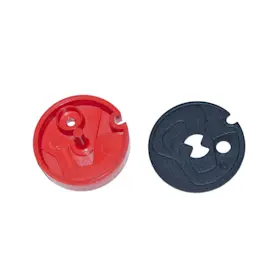
- Rotor/disc and position sensing: can stall regeneration or cause error codes
- Turbine/flow measurement: can misread usage and regenerate at the wrong time
If you see these repeatedly after basic maintenance, the softener is usually at the end of its useful life.
- Hard water spots return soon after regeneration
- Soap does not lather well, water feels “slick” inconsistently
- Frequent regeneration with little improvement
- Noticeable drop in household water pressure
- Recurring leaks at the valve area or persistent internal bypass
These steps often restore performance and reduce wear on the Kenmore 625348491.
- Keep salt above the water line; break up salt bridges and mush
- Clean the nozzle/venturi and screen; replace if damaged (see water softener nozzle and venturi with gasket 7187772)
- Fix valve leaks early; worn seals are a common cause (see Kenmore water softener seal kit 7129716)
- Verify hardness setting and time of day after power outages
- Use the correct salt type for your conditions (pellet salt is common; iron-removing salt if needed)
| Situation | Best next step | Why |
|---|---|---|
| Softener is under ~10 years and leaking at valve | Repair seals/valve components | Usually cost-effective and restores performance |
| Softener is 10 to 15 years and not softening well | Check resin condition and brine draw | Resin and valve wear become the main limit |
| Repeated failures, multiple parts needed, poor performance persists | Replace the softener | Total cost and downtime often exceed value |
A worn resin bed or leaking valve can waste salt and water, reduce softening capacity, and sometimes create low-pressure complaints. Catching issues early (especially venturi clogs and seal wear) helps the 625348491 run efficiently for its full expected lifespan.
Last updated: February 2026