Owner’s manual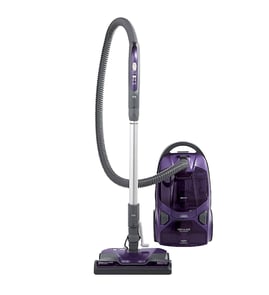


What is the very best canister vacuum?
There is no single “best” canister vacuum for everyone; the best choice depends on your floors, allergies, pets, and how you like to maintain the vacuum. For Kenmore model 11624212400, our 11624212400 owner's manual is the best place to confirm features like suction control, pile height settings, and filter maintenance so you can match performance to your home.
How we recommend choosing the best canister vacuum
A “best” canister vacuum is the one that fits your cleaning needs and stays easy to use week after week.
- Bagged vs. bagless: bagged typically seals dust better and keeps suction more consistent
- Filtration: HEPA-style filtration is best for allergies and fine dust
- Floor type: carpet needs a powered nozzle and height adjustment; hard floors need a good bare-floor tool
- Suction control: helpful for drapes, area rugs, and upholstery (your Kenmore uses a suction control feature)
- Maintenance access: easy bag changes, filter changes, and brush/belt service matter long-term
Quick comparison: what “best” usually means
| If you want… | Prioritize… | Typical fit |
|---|---|---|
| Deep carpet cleaning | Powered nozzle, height adjustment, strong airflow | Homes with wall-to-wall carpet |
| Allergy control | Sealed system, HEPA filtration, bagged design | Allergy or asthma households |
| Low ongoing mess | Bagged design, clean bag dock, simple filter swaps | Pet hair and fine dust |
| Easy maneuvering | Swivel hose, stable canister, comfortable handle | Smaller rooms, lots of furniture |
How to get top performance from your Kenmore 11624212400
Even a great canister vacuum will feel “weak” if airflow is restricted or settings are off.
- Use a slow, straight push-pull pattern on carpet for better pickup
- Adjust pile height as needed; too low can bog down the nozzle, too high reduces cleaning
- Keep the suction control closed for carpets and upholstery; open it for lightweight rugs and drapes
- Check for clogs in the hose, wand, and nozzle if suction drops
- If the vacuum overheats and shuts off, let it cool, clear clogs, and check/replace filters (thermal protector behavior is covered in the manual)
Why it matters
The “best canister vacuum” is really the best match of airflow, agitation, filtration, and usability for your home. Choosing based on your floors and maintenance style prevents poor pickup, overheating, and frequent clogs.
Last updated: January 2026
How long do canister vacuums last?
A Kenmore canister vacuum like model 11624212400 typically lasts 7 to 10 years with normal household use and routine care; higher-end canisters commonly reach 15 to 20 years when airflow stays clear and wear items (bags, belts, filters) are replaced on schedule.
What most affects vacuum lifespan
A canister vacuum’s motor life is mainly determined by heat and airflow. Keeping the air path open and the brush from jamming reduces strain and overheating.
- Replace or clean filters regularly (clogged filters restrict airflow)
- Check the hose, wand, and nozzle for clogs periodically
- Keep the brush area clear to prevent jams and belt stress
- Use the suction control correctly for rugs, drapes, and upholstery
- Store the vacuum to prevent hose twisting and cord damage
Maintenance checklist for Kenmore 11624212400
The manual emphasizes keeping airflow passages open and unplugging before checking for clogs; it also describes protective features that trip when the unit overheats or the brush jams. Use the 11624212400 owner’s manual for the exact maintenance intervals and procedures.
| Maintenance item | Typical interval | Why it matters |
|---|---|---|
| Replace bag (if equipped) | When suction drops or bag is full | Prevents airflow restriction and motor heat |
| Clean/replace filters | Every 1 to 3 months | Protects motor, improves suction |
| Remove clogs (hose/wand/nozzle) | As needed | Prevents overheating and shutdown |
| Clear brush roll area | As needed | Prevents overload trips and belt wear |
Signs your vacuum is nearing end of life
These symptoms usually point to a worn motor, failing cord reel, or chronic airflow restriction.
- Frequent thermal shutdowns (overheating) even after cleaning clogs and filters
- Burning smell or unusual motor noise
- Weak suction that returns only briefly after maintenance
- Power nozzle brush repeatedly stops (overload trips) during normal use
Why it matters
A canister vacuum that runs hot or with restricted airflow can shut down to protect itself and may wear out the motor faster. Simple upkeep (filters, clogs, brush area) is the most reliable way to extend service life.
Last updated: January 2026
Are canister vacuums outdated?
Canister vacuums are not outdated; they remain a practical choice for many homes because they deliver strong suction, flexible cleaning with attachments, and easier reach under furniture. Your Kenmore canister vacuum model 11624212400 is designed for versatile floor and above-floor cleaning when used as described in the 11624212400 owner's manual.
Why many people still choose a canister vacuum
Canister designs stay popular because the hose-and-wand setup makes it easier to clean more than just floors.
- Better reach for stairs, upholstery, and corners using a wand and attachments
- Easier cleaning under beds and low furniture (the canister stays back while the wand reaches)
- Strong, consistent pickup when the bag and filters are maintained
- More control for delicate items using suction control (opening it reduces suction)
- Helpful edge cleaning along baseboards when using a powered nozzle on carpet
What “modern” canister features look like on this Kenmore
Your 11624212400 includes performance and protection features that are still common on current vacuums.
| Feature | What it does | Why it matters |
|---|---|---|
| Suction control | Lets you reduce or increase suction | Prevents lightweight rugs or drapes from getting pulled in |
| Overload protector (Power-Mate) | Shuts off the brush if it jams | Helps protect the belt and brush drive |
| Thermal protector | Turns the motor off if it overheats | Helps prevent motor damage from clogs or blocked airflow |
If your canister feels “outdated,” it is usually maintenance
A canister vacuum often seems weak or inconvenient when airflow is restricted or the brush stops.
- Replace the vacuum bag before it is packed full
- Check for clogs in the hose, wand, and nozzle air path
- Clean or replace the motor safety filter and exhaust filter on schedule
- If the brush stops, clear the jam and reset the overload protector
- If the vacuum shuts off, let it cool about 50 minutes, then restart after checking for clogs and filters
Why it matters
A well-maintained canister vacuum cleans faster and protects the motor, belt, and brush system. Keeping airflow open (bag, filters, and no clogs) is the difference between “outdated” performance and the strong pickup this Kenmore design is built to deliver.
Last updated: January 2026
What are the disadvantages of a canister vacuum?
Canister vacuums (including Kenmore model 11624212400) trade convenience for versatility: they can feel bulkier to store, take more effort to pull and steer, and require more attention to hose, cord, and height settings than an upright.
Common disadvantages (what owners notice most)
- Bulk and storage: the canister, hose, and wand take more space than a single-piece upright.
- More to maneuver: you pull the canister behind you; it can bump furniture or catch on corners.
- Stairs can be awkward: placing the canister on stairs adds tip-over risk and takes extra care.
- Cord rewind needs caution: the cord retracts quickly; you need a clear path and should hold the plug while rewinding.
- More setup for quick jobs: connecting the hose, wand, and floor nozzle can feel slower for small cleanups.
- Carpet performance depends on settings: deep carpet often needs the right pile-height and a slower, straight push-pull pattern.
What to do to minimize the downsides
We recommend these habits for the 11624212400 style canister vacuum:
- Use the hose swivel to reduce twisting before you pull the canister.
- Vacuum rugs with slow, straight strokes (fast, jerky strokes clean less effectively).
- Keep airflow strong by checking for clogs and maintaining filters.
- Use suction control: open it for drapes and lightweight rugs, close it for upholstery and carpet.
- If the floor nozzle brush stops, reset the overload protector after clearing the jam.
| Issue | What it causes | Best practice |
|---|---|---|
| Bulky canister and hose | Harder storage, more bumping | Store wand and floor nozzle in the built-in storage position when available |
| Cord rewind | Plug or cord can whip | Unplug first, hold the plug, keep a clear path |
| Stairs | Tip-over risk | Keep the canister stable and never leave the nozzle running unattended |
Why it matters
Most “canister vacuum disadvantages” come down to handling and safety. Using the right suction control, cleaning pattern, and cord-rewind technique helps you get strong cleaning performance without extra wear on the hose, cord reel, and floor nozzle.
For model-specific operating and safety details, follow the 11624212400 owner's manual.
Last updated: January 2026