Owner’s manual
 View engine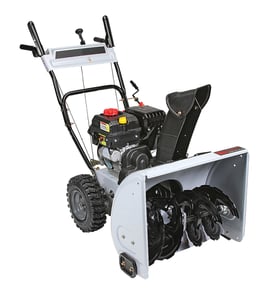



What is the average lifespan of a snowblower?
For the Craftsman snow thrower model 247889760, the operator’s manual lists an average useful life of 7 years or about 60 hours of operation; with consistent maintenance and proper storage, many gas snowblowers commonly run 10 to 20 years in typical homeowner use. See the 247889760 owner's manual for the model-specific guidance.
What “useful life” means for this model
The manual’s “average useful life” is a safety and wear benchmark. It is not a hard stop date; it is the point when we treat annual inspection and wear checks as mandatory for safe operation.
Typical factors that shorten lifespan
- Clearing heavy, wet, end-of-driveway snow frequently
- Hitting gravel, ice chunks, or hidden objects (causes shock loads)
- Running with worn skid shoes or shave plate (increases housing wear)
- Skipping seasonal lubrication and oil changes
- Storing with old fuel or moisture in the machine
Maintenance that extends lifespan (high impact)
From the manual’s seasonal maintenance guidance, these items make the biggest difference:
- Grease wheel axles at least once per season
- Lubricate chute directional control points once per season
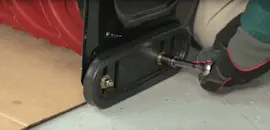
- Remove shear pins and lubricate the auger shaft area once per season
- Check shave plate and skid shoes periodically; replace when worn
- Before storage, run the machine briefly to clear snow and reduce freeze-up
Quick checklist by timing
| When | What to do | Why it matters |
|---|---|---|
| Each use | Clear packed snow, check for abnormal vibration | Prevents freeze-up and catches damage early |
| Mid-season | Inspect skid shoes, shave plate, and fasteners | Worn wear parts increase strain and scraping |
| Once per season | Lubricate wheels, chute, and auger shaft | Reduces corrosion and drive wear |
| Off-season | Stabilize fuel and store safely away from ignition sources | Prevents fuel-system issues and hazards |
Why it matters
A snowblower’s lifespan is mostly a wear-and-maintenance story: keeping friction points lubricated, wear parts replaced, and the auger/impeller protected from impacts helps the engine and drivetrain last longer and keeps performance consistent.
Last updated: February 2026
Is it worth fixing a snowblower?
Yes, it’s usually worth fixing a Craftsman snow thrower model 247889760 when the problem is a normal wear item (shear pins, cables, belts, skid shoes) and the machine is otherwise in solid shape. If the repair involves major drivetrain or gearbox work, compare the total repair cost to the price of a replacement before you commit; our 247889760 owner's manual also outlines maintenance that prevents expensive failures.
Quick way to decide
Use these checks to make a clear repair vs. replace call:
- Start with the symptom: no snow discharge, no drive, vibration, or chute issues.
- Look for simple, common fixes first (shear pins, adjustments, lubrication).
- Price the parts you need and add your time (or labor if you are hiring service).
- Inspect for “big-ticket” damage: auger/impeller damage, worn friction wheel system, or gearbox problems.
- Factor in reliability: if it has repeated major failures each season, replacement makes more sense.
Repairs that are typically worth it (common on this model)
The manual’s troubleshooting and maintenance sections point to several fixes that are straightforward and cost-effective:
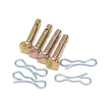
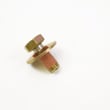
- Replace sheared shear pins when the auger stops turning or the unit plows snow; use Craftsman snowblower shear pin 738-04124A.
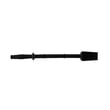
- Clear a clogged chute or auger housing using the clean-out tool; the manual specifically calls out cleaning with a clean-out tool when discharge stops.
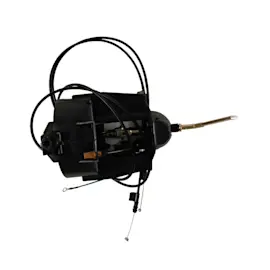
- Adjust control cables (auger or drive) when engagement feels weak.
- Lubricate seasonal wear points (axles, chute control bushing/spiral, auger shaft) to prevent binding and premature wear.
When replacement is the better value
These situations usually push the decision toward replacing the snowblower:
- Gearbox or major drive system failure (high parts cost and higher labor).
- Severe vibration that continues after tightening fasteners (often indicates damaged auger/impeller components).
- Multiple major issues at once (for example: drive problems plus chute control plus auger damage).
Cost and effort comparison (rule-of-thumb)
| Scenario | Typical best choice | Why |
|---|---|---|
| Shear pins, cable adjustment, lubrication | Fix it | Low cost, fast, restores performance |
| Belt-related issues | Usually fix it | Common wear item; restores throwing/drive |
| Gearbox or major drivetrain repair | Compare carefully | Parts and labor can approach replacement value |
Why it matters
A snowblower that is maintained and repaired at the wear-item level lasts longer and performs better in wet, heavy snow. On the 247889760, seasonal lubrication and timely shear pin replacement help prevent the kind of overload damage that leads to expensive repairs.
Last updated: February 2026
How to tell year of Craftsman snowblower by serial number?
For Craftsman snow thrower model 247889760, the most reliable way to confirm the build timeframe is to decode the serial number on the unit’s ID label and cross-check it with the manual’s publication date (June 23, 2017) in the owner's manual. In practice, the serial format varies by production run, so we use the serial pattern plus any engine date code to pinpoint the year.
Where to find the serial number
Check these common locations on a Craftsman snowblower frame:
- The rear of the auger housing (near the scraper bar area)
- The frame near the engine base
- The handle support or side panel near the controls
- A label near the belt cover area
If the label is worn, also check the engine’s tag; many engines include a separate manufacture date code.
How to decode common Craftsman serial number styles
Craftsman snowblower serial numbers are not one universal format. Here are the patterns we see most often:
- Date-embedded numeric serials: the first 6 digits may represent a date (often YYMMDD or MMDDYY).
- Letter + numbers: a leading letter can represent a production year code, followed by month/day or sequence digits.
- Sequence-only serials: no obvious date; use the engine date code and the manual timeframe as the best confirmation.
Quick pattern guide
| What you see in the serial | What it usually means | What to do next |
|---|---|---|
| Starts with 6 digits that look like a date | Date is embedded | Try reading as YYMMDD, then MMDDYY |
| Starts with a letter then digits | Year code + date/sequence | Note the letter and compare to known year-code charts |
| No date pattern at all | Internal sequence | Use engine date code to confirm year |
Why it matters
Knowing the year helps us match the correct parts and adjustments for your 247889760 snow thrower, especially for wear items and drive system components.
Parts that commonly depend on exact production version
- Shear pins and fasteners (auger protection hardware)
- Drive and auger control cable routing and adjustment
- Chute control components and linkage style
- Friction wheel and pulley variations
For example, if you are servicing the drive system, the mtd snowblower drive cable 946-05067 is one of the model-listed parts you can match after confirming your unit’s exact version.
Last updated: February 2026
How to tell if a snowblower auger belt is bad?
On Craftsman snow thrower model 247889760, a bad (or loose) auger belt shows up as weak or no auger drive under load, poor snow discharge, belt squeal, or a hot rubber smell. Confirm the symptoms, then follow the auger control checks in the owner's manual.
Quick signs the auger belt is failing
- Auger slows or stops when it hits normal snow (slipping under load)
- Snow discharge is weak even at full throttle
- Squealing, chirping, or burning rubber smell near the belt cover
- Visible belt damage: cracks, glazing (shiny surface), frayed cords, missing chunks
- Belt looks stretched, rides low in the pulley groove, or feels loose
Rule out common look-alikes
The manual troubleshooting for this model lists other causes of poor discharge besides a loose or damaged auger belt.
| Symptom | More likely cause | What to check |
|---|---|---|
| Unit fails to discharge snow | Chute clogged or object in auger | Clear chute and auger housing safely |
| Auger will not turn | Shear pin(s) sheared | Inspect and replace shear pins such as snowblower shear pin 738-04124A |
| Auger acts weak or intermittent | Cable needs adjustment | Check cable slack and adjust per manual |
Do the auger control stop test
Per the manual: with the auger control released (disengaged “UP”), the cable should have very little slack and should not be tight. If the auger shows any motion after release, shut off the engine, wait for all moving parts to stop, then adjust the auger control cable.
Why it matters
A slipping belt reduces throwing distance and can overheat; a misadjusted cable can keep the auger partially engaged, increasing wear on pulleys and the drive system.
Last updated: February 2026
Should I spray my snowblower with WD-40?
Yes, you can spray a light protectant on your Craftsman snow thrower model 247889760, but use it only on the right areas. For rustproofing and seasonal care, a light oil or silicone on metal surfaces works well; keep any lubricant off the drive friction surfaces to prevent slipping (see the owner's manual).
Where spraying helps (and where it causes problems)
Use a light coat only after the machine is off and cooled.
- OK to spray lightly: chute interior, discharge area, auger housing interior (non-drive areas), exposed metal to reduce rust
- OK for storage rustproofing: chains, springs, bearings, cables (light oil or silicone)
- Avoid spraying: rubber friction wheel, drive plate, belts, pulleys
- Avoid spraying: hot muffler/engine surfaces
- Keep overspray controlled: wipe off excess so it cannot migrate into the drive system
What the manual for model 247889760 calls out
The maintenance and storage sections for this model include lubrication points and specific cautions about where lubricant should not go.
| Maintenance item | What to apply | Important caution |
|---|---|---|
| Gear (hex) shaft | Light coating of anti-seize | Keep oil off the aluminum drive plate and rubber friction wheel |
| Auger shaft | Spray lubricant inside the shaft (after removing shear pins) | Reinstall shear pins correctly before use |
| Off-season rustproofing | Light oil or silicone | Coat metal parts; store clean and dry |
Better alternatives to WD-40 for “non-stick” performance
WD-40 can work as a short-term water-displacing protectant, but silicone spray is a better choice for reducing snow sticking.
- Silicone spray: best for chute and snow-contact surfaces
- Light oil: best for rust protection during storage
- Anti-seize: best for the hex shaft (per the manual)
Why it matters
Spraying the chute helps reduce clogging and corrosion, but lubricant on the friction wheel or drive plate immediately causes drive slippage and weak forward or reverse movement.
Last updated: February 2026