Owner’s manual
 Error Codes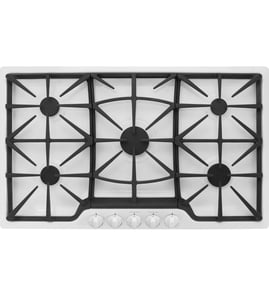



Do gas cooktops need a regulator?
Yes. A gas cooktop needs a regulator so the gas pressure feeding the burners stays at the correct level for safe, steady flames. On Kenmore model 91133389100, proper gas type setup and adjustments are especially important if converting from natural gas to LP (propane). See the 91133389100 owner's manual.
When a regulator is required
Most installations use a regulator because household gas supply pressure can vary, and burners are designed to operate at a specific manifold pressure.
- Natural gas installations typically use a regulator to maintain stable burner pressure
- LP (propane) installations also require proper pressure regulation and correct conversion adjustments
- If flames are too high, yellow, or sooty, pressure or conversion setup is often involved
- A qualified installer should handle gas supply connections and adjustments
What to check if flames look wrong
If your cooktop flames are unusually high, mostly yellow, or producing soot, address setup issues before continued use.
- Confirm the cooktop is set up for the correct fuel (natural gas vs. LP)
- Make sure the gas supply valve is fully open
- Clean burner ports and re-seat burner parts correctly
- Verify electrical power is present for spark ignition (if burners will not light)
- If you smell gas, follow the safety steps in the manual and stop using the cooktop
Common symptoms and likely causes
| Symptom | Common cause | What to do |
|---|---|---|
| Very high flames | Incorrect pressure regulation or wrong gas setup | Have gas pressure and setup checked by a qualified technician |
| Yellow flames/soot | Incomplete combustion, incorrect adjustment | Verify correct gas type and conversion adjustments |
| Burners will not light | Gas off, no power, clogged ports, misassembled burner | Check supply, breaker/fuse, clean and reassemble burners |
Why it matters
Correct regulation and fuel setup help your Kenmore 91133389100 cooktop burn cleanly (more blue flame, less yellow), cook evenly, and reduce the risk of unsafe operation caused by improper pressure or incorrect LP conversion adjustments.
Last updated: January 2026
How do you measure for a gas cooktop replacement?
To measure for a replacement for your Kenmore gas cooktop model 91133389100, we measure the countertop cutout (width and depth) plus the clearances to the back wall and front countertop edge. Then we compare those numbers to the new cooktop’s required cutout and clearance specs in the 91133389100 owner's manual.
What to measure (in order)
- Cutout width: left to right inside the opening
- Cutout depth: front to back inside the opening
- Back clearance: from the back edge of the cutout to the backsplash or wall
- Front clearance: from the front edge of the cutout to the front edge of the countertop
- Countertop thickness: important for mounting brackets and sealing
- Cabinet space below: check for drawers, braces, and gas line routing
Quick measurement checklist
| Measurement | Where you measure | Why it matters |
|---|---|---|
| Cutout width | Inside the countertop opening | Ensures the cooktop drops in correctly |
| Cutout depth | Inside the countertop opening | Prevents interference with controls or burner box |
| Back clearance | Cutout to wall | Protects wall surfaces and meets clearance needs |
| Front clearance | Cutout to counter front | Keeps controls usable and avoids weak countertop edges |
Tips that prevent common fit problems
- Measure in at least two spots (front and back); cutouts are often slightly out of square.
- Record measurements to the nearest 1/8 inch.
- Confirm whether the new unit is 36-inch class; the cutout is usually smaller than the overall cooktop width.
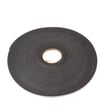
- Plan for a proper seal at the countertop; if you’re reinstalling, replacing the seal helps prevent spills from seeping under the cooktop (for example, foam tape WB02X26088 if it matches your installation needs).
Why it matters
Correct cutout and clearance measurements prevent gaps, countertop damage, and unsafe installations. They also help ensure the gas supply and electrical ignition components have enough space to operate reliably.
Last updated: January 2026
How to lift a Kenmore stove top?
On the Kenmore 91133389100 36" gas cooktop, the top is not designed to “lift up” like many hinged range tops. For access and cleaning, we remove the removable burner pieces (grates, burner caps, and burner heads) as shown in the 91133389100 owner's manual.
What to remove first (safe access)
- Turn all burner knobs to OFF and let the cooktop cool completely.
- Lift off the burner grates.
- Lift off each burner cap.
- Lift off each burner head.
- Do not remove the burner bowl (it stays in place on this design).
- Avoid snagging the spark igniter electrode while wiping around the burner area.
If you need deeper access (service-level)
If you are trying to reach wiring, gas tubing, or the igniter area under the surface, that is typically a disassembly procedure rather than a simple “lift the top.” Use the exploded view and instructions in the 91133389100 owner's manual to identify fasteners and the correct removal order.
Common parts involved when servicing the burner area include:
| What you are working on | What it affects | Example part on this model |
|---|---|---|
| Spark/ignition at a burner | Clicking, lighting, misfires | Electrode WB13K18 |
| Gas supply pressure to the cooktop | Weak flames, uneven flames | Pressure regulator WB19T10078 |
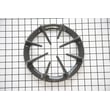
| Burner grate fit and stability | Cookware support, rocking | Cooktop burner grate WB31T10006 |
Why it matters
Removing only the intended removable parts prevents damage to the spark igniter electrode and helps avoid misalignment that can cause burners to click continuously, light unevenly, or not light at all.
Last updated: January 2026
What is the easiest cooktop to clean?
For everyday cleanup, a smooth, sealed surface with fewer crevices is the easiest to clean. Your Kenmore 91133389100 is a sealed gas cooktop with removable grates, burner caps, and drip bowls, so cleaning is straightforward but takes more steps than a flat glass top. See the 91133389100 owner's manual for the exact care and cleaning routine.
Quick comparison: easiest surfaces to clean
| Cooktop type | Typical cleanup effort | Why |
|---|---|---|
| Induction (smooth glass) | Lowest | Flat surface; spills usually do not bake on as hard |
| Radiant electric (smooth glass) | Low | Flat surface; can have baked-on spills from retained heat |
| Sealed gas (like 91133389100) | Medium | More removable parts (grates, caps, bowls) and more edges |
| Open-burner gas | Highest | More exposed burner parts and crevices |
How to keep the Kenmore 91133389100 easy to clean
We recommend cleaning in the same order the parts come off so everything goes back correctly.
- Turn all controls off and let the cooktop cool completely.
- Lift off the burner grate, burner cap, and burner head (do not remove the burner bowl).
- Wash removable parts with warm water and dishwashing detergent; soak stubborn stains, then rinse and dry completely.
- Wipe the burner bowl carefully; avoid snagging the spark igniter electrode with your cloth.
- Reinstall the burner head so the spark igniter lines up with the opening, then set the cap and grate back in place.
Parts that affect cleanup and performance
If parts are warped, heavily corroded, or no longer sit flat, spills can collect and burners may light poorly.
- Cooktop burner grate WB31T10006: supports cookware and lifts off for cleaning.
- Electrode WB13K18: creates the spark for ignition; keep the area clean and avoid impact.
- Drip bowls and seals: catch spills; clean and dry fully before reinstalling.
Why it matters
A clean burner head and correctly seated cap help the flame burn evenly and reduce ignition problems caused by clogged ports or misaligned parts.
Last updated: January 2026