Get free shipping on your order, with any water filter subscription. Find my filter

Open Hamburger Menu
Sears Parts Direct
Tips to find your model number
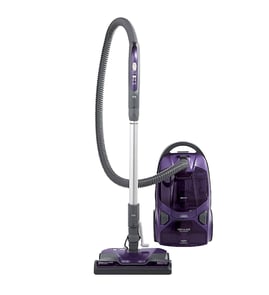
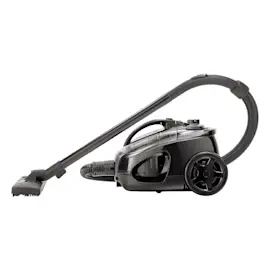
Dyson DC23 canister vacuum

Dyson DC23 canister vacuum Parts

Here are the diagrams and repair parts for Dyson DC23 canister vacuum, as well as links to manuals and error code tables, if available.

By Schematic
By Part
SELECT DIAGRAM
?

This is the number corresponding to the part on the diagram / schematic

Browse Parts for DC23 Vacuum Cleaners

  • Handle Cover for Dyson DC23 - Part 910858-01

    Handle wand assy diagram

    Handle Cover

    Part #910858-01

    The manufacturer no longer makes this part, and there's no substitute part

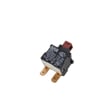
  • Vacuum On/off Switch for Dyson DC23 - Part 910971-01

    Motor assy diagram

    Vacuum On/off Switch

    Part #910971-01

    The manufacturer no longer makes this part, and there's no substitute part

  • Vacuum Beater Bar End Cap, Right for Dyson DC23 - Part 909548-03

    Base assy diagram

    Vacuum Beater Bar End Cap, Right

    Part #909548-03

    The manufacturer no longer makes this part, and there's no substitute part

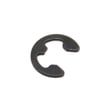
  • Vacuum Wheel E-clip for Dyson DC23 - Part 900146-01

    Base assy diagram

    Vacuum Wheel E-clip

    Part #900146-01

    The manufacturer no longer makes this part, and there's no substitute part

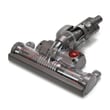
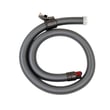
  • Dyson Vacuum Floor Nozzle for Dyson DC23 - Part 906565-29

    Handle wand assy diagram

    Dyson Vacuum Floor Nozzle

    Part #906565-29

    The manufacturer no longer makes this part, and there's no substitute part

  • Vacuum Screw for Dyson DC23 - Part 910703-01

    Vacuum Screw

    Part #910703-01

    The manufacturer no longer makes this part, and there's no substitute part

  • Dyson Vacuum Dust Bin Assembly for Dyson DC23 - Part 914796-01

    Cyclone bin assy diagram

    Dyson Vacuum Dust Bin Assembly

    Part #914796-01

    The manufacturer no longer makes this part, and there's no substitute part

  • Dyson Vacuum Cord Reel Assembly for Dyson DC23 - Part 911525-03

    Motor assy diagram

    Dyson Vacuum Cord Reel Assembly

    Part #911525-03

    The manufacturer no longer makes this part, and there's no substitute part

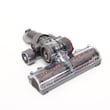
  • Dyson Floor Tool for Dyson DC23 - Part 906562-08

    Handle wand assy diagram

    Dyson Floor Tool

    Part #906562-08

    The manufacturer no longer makes this part, and there's no substitute part

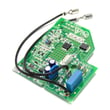
  • Pcb Assembly for Dyson DC23 - Part 912458-01

    Motor assy diagram

    Pcb Assembly

    Part #912458-01

    The manufacturer no longer makes this part, and there's no substitute part

Dyson Canister Vacuum DC23 FAQs

Yes; on the Dyson DC23 canister vacuum, you can wash the clear bin (canister) using cold water only, then let it dry completely before reinstalling it. Keep water out of the cyclone assembly, and never use detergents or a dishwasher. See the DC23 owner's manual for model-specific cleaning steps.

What you can wash (and what you should not)
  • Washable: clear bin only (rinse with cold water)
  • Do not wash: cyclone assembly (do not immerse it)
  • Do not use: detergents, polishes, or air fresheners inside the bin
  • Do not do: dishwasher cleaning
  • Do not do: pour water into the cyclone openings
Safe cleaning steps for the clear bin
  1. Unplug the vacuum.
  2. Remove the clear bin from the DC23.
  3. Rinse the bin with cold water only; swirl and empty until it looks clean.
  4. Shake off excess water.
  5. Air-dry until fully dry (inside and out) before reinstalling.
Drying time guide
Item Cleaning method Typical dry time
Clear bin (canister) Cold-water rinse 24 hours
Cyclone assembly Wipe exterior only No dry time needed
Why it matters

Moisture left in the bin or introduced into the cyclone can cause clogs, reduce suction, and lead to odors. Letting the clear bin dry completely helps your DC23 maintain strong airflow and consistent pickup.

Last updated: February 2026

For a Dyson DC23 canister vacuum, it’s usually cheaper to repair when the problem is a clog, worn filter, hose leak, or a damaged cord. Replacement makes more sense when the motor is failing or multiple major assemblies are worn out, especially on an older vacuum.

A quick cost-and-condition checklist

Use these points to decide fast:

  • Repair if suction dropped suddenly (often a blockage or filter issue)
  • Repair if the vacuum runs but performance is poor (airflow restriction, seal leak)
  • Repair if the cord rewind is stuck or the power cord is damaged (common wear item)
  • Replace if there’s a strong burning smell, loud grinding, or repeated shutoffs (motor or electrical fault)
  • Replace if repairs are stacking up (more than one major issue at the same time)
Repair vs replace: practical comparison
Situation What it usually means Best choice
Weak suction, no unusual noise Clog, dirty filter, hose leak Repair
Vacuum is noisy, hot, or smells “electrical” Motor or internal electrical problem Replace (or major repair)
Intermittent power Cord, plug, switch, or wiring issue Repair if isolated
Multiple failures in a short time Aging components across the machine Replace
Why it matters

A DC23 canister vacuum is built to be serviced, and many “big” symptoms are caused by simple airflow problems. Fixing the root cause (air path, seals, filters, hose) restores cleaning performance and helps prevent motor overheating.

What we recommend you do first (before spending money)
  • Unplug the vacuum and check the entire airflow path (wand, hose, inlet, bin path)
  • Clean or replace filters per the owner's manual
  • Inspect the hose for splits and the canister seals for gaps
  • If the unit shuts off, let it cool fully, then recheck for restrictions and dirty filters
  • If you see cord damage or suspect wiring issues, stop using it until repaired

Last updated: February 2026

A Dyson vacuum typically lasts 8 to 10 years with normal home use and routine maintenance. For your Dyson DC23 canister vacuum, lifespan depends most on keeping airflow clear (filters, hoses, and bin seals) and avoiding repeated clogs; those issues shorten motor life fastest.

Typical lifespan ranges (what we see most often)
  • Canister vacuums (like DC23): 8 to 10 years
  • Upright vacuums: 7 to 10 years
  • Cordless stick vacuums: 5 to 8 years (battery is usually the first major wear item)
  • Heavily used vacuums (pets, daily whole-home): 5 to 7 years
Maintenance that extends DC23 life the most
  • Wash or replace filters on schedule; let washed filters dry fully before reinstalling.
  • Clear clogs in the wand, hose, and floor tool as soon as suction drops.
  • Empty the bin before it reaches the “max” line to keep cyclones working efficiently.
  • Check for air leaks at seals and connections (bin, hose ends, wand joints).
  • Keep the brush tool free of hair and string to reduce load and heat.
Quick “repair vs replace” guide
What you notice Most common cause What to do first
Weak suction Clog or dirty filter Inspect airflow path; clean filter(s)
Loud whistling Partial blockage or leak Check hose/wand seals and obstructions
Burning smell Belt/brush jam or motor overheating Stop use; clear brush and clogs
Pulsing suction Restriction triggering protection Remove blockage; recheck filters
Why it matters

Most Dyson failures we see are airflow-related: restricted airflow makes the motor run hotter and harder, which shortens the vacuum’s usable life. Keeping the DC23 breathing freely is the single best way to reach the 8 to 10 year range.

For model-specific care intervals and cleaning steps, follow the DC23 owner's manual.

Last updated: February 2026
Most common symptoms to help you fix your vacuum cleaners

Choose a symptom to see related vacuum cleaner repairs.

Main causes: broken drive belt, damaged brush roll, tripped brush roll motor overload, bad brush roll motor, wiring fail…

Main causes: lack of power, bad power cord, drive motor failure, wiring failure…

Main causes: damaged vacuum hose, clogged motor air filter, bad suction motor…

Main causes: weak suction motor, vacuum bag is full, clog in suction air path, dirty exhaust filter, leaky vacuum hose…

Repair guides for canister vacuums

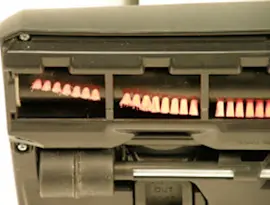
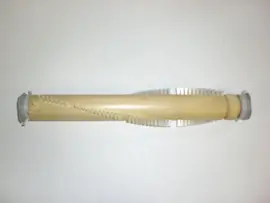
How to replace a vacuum beater bar

How to replace a vacuum beater bar

Replace the brush roll if the bristles ares worn or the cylinder is damaged.…

Repair time and Difficulty

 30 minutes or less
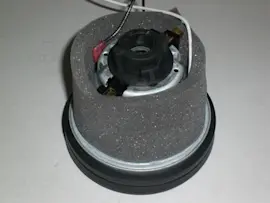
How to replace a vacuum suction motor

How to replace a vacuum suction motor

The suction motor on a vacuum creates the draw of air at the cleaning head that picks up dirt. If the vacuum won't run, …

Repair time and Difficulty

 15 minutes or less
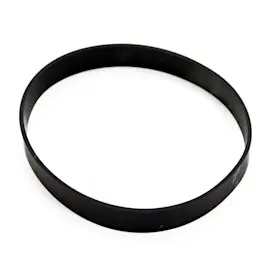
How to replace a vacuum power head ribbed drive belt

How to replace a vacuum power head ribbed drive belt

Some canister vacuums have a ribbed drive belt that spins the brush roll on a power brush attachment. If the brush roll …

Repair time and Difficulty

 30 minutes or less

Effective articles & videos to help repair your vacuum cleaners

Use the advice and tips in these articles and videos to get the most out of your vacuum.

Top questions about Sears and Sears PartsDirect

Top questions about Sears and Sears PartsDirect

Get answers to frequently asked questions about Sears and Sears PartsDirect.…

5 tips for caring for a vacuum cleaner

5 tips for caring for a vacuum cleaner

Follow this advice to keep your vacuum in good working order.…

Vacuum common questions

Vacuum common questions

Find the answers to frequently asked questions about vacuum cleaners.…

Parts & More

Dishwasher
Front-Engine Lawn Tractor
Gas Pressure Washer
Gas Range
Gas Walk-Behind Mower
Lawn & Garden Engine
Parts
Rear-Engine Riding Mower
Side-By-Side Refrigerator
Tool Chest
Upright Vacuum
Wet/Dry Vacuum