Owner’s manual
 Error Codes

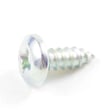
Can you still get parts for Kenmore refrigerators?
Yes. You can still get replacement parts for Kenmore refrigerators, including your Kenmore model 25360722009, by matching the exact model number to the correct parts list and diagrams. For part identification and safe handling steps, use the 25360722009 owner's manual.
How we recommend finding the right part
Using the model number is the fastest way to avoid ordering the wrong component, especially for refrigeration and defrost parts.
- Confirm the full model number on the rating label: 25360722009
- Look up the part by symptom (no cooling, frost buildup, door not sealing)
- Match the part name and ID exactly before ordering
- Compare your original part’s markings to the listing (when accessible)
- Keep your appliance plugged into a dedicated 115V outlet as described in the manual (helps prevent misdiagnosis)
Common Kenmore 25360722009 parts customers replace
These are examples of parts available for this model that often relate to cooling, defrost, and airflow issues:
| Symptom | Likely system | Example part for this model |
|---|---|---|
| Frost buildup, warm temps | Defrost system | Defrost timer 5304518034 |
| Warm freezer, poor airflow | Evaporator fan | Freezer evaporator fan motor 297309000 |
| Door not sealing, moisture | Door seal | Freezer door gasket 5304507200 |
| Compressor won’t start | Start components | Freezer compressor start relay 216954200 |
Why it matters
Kenmore refrigerators use multiple similar-looking parts across different series. Ordering by model number helps ensure the part fits, mounts correctly, and restores proper temperature control, defrost performance, and energy efficiency.
Last updated: February 2026
How to tell cubic feet of Kenmore refrigerator by model number?
For Kenmore refrigerator model 25360722009, the most reliable way to get cubic feet is to look up the capacity in the specifications section of the 25360722009 owner's manual. If you need a quick estimate, you can calculate interior volume by measuring the usable inside space and converting cubic inches to cubic feet.
How to find capacity using the model number
Your model number is already the key identifier. Here’s the fastest way we use it:
- Confirm the model number on the serial plate (typically inside the refrigerator on an upper wall).
- Check the specifications/features pages in the 25360722009 owner's manual.
- If your manual lists dimensions but not capacity, use the measurement method below for a close estimate.
How to estimate cubic feet by measuring (works for any refrigerator)
Measure the usable interior space (not the outside cabinet):
- Width: inside wall to inside wall
- Height: floor to ceiling of the compartment
- Depth: back wall to inside front edge (do not include door bins)
Then calculate:
- Cubic inches = width × height × depth
- Cubic feet = cubic inches ÷ 1,728
Quick conversion table
| What you have | What to do | Result |
|---|---|---|
| Interior measurements in inches | Multiply W × H × D | Cubic inches |
| Cubic inches | Divide by 1,728 | Cubic feet (approx.) |
Why your estimate may not match the “official” cubic feet
Even with careful measuring, your number can differ from the published capacity because manufacturers typically rate capacity based on standardized methods and may include areas you do not measure day-to-day.
Common reasons for differences:
- Shelves, drawers, and air channels reduce usable space
- Freezer and fresh-food sections are rated separately on some designs
- Interior shapes are not perfect rectangles
Why it matters
Knowing cubic feet helps you compare replacement refrigerators, choose the right storage accessories, and set realistic expectations for cooling recovery after loading groceries.
Last updated: February 2026
What is Accela Chill?
“Accela Chill” is a marketing name for a quick-chill function that boosts cold-air circulation to cool the refrigerator compartment faster after you load warmer groceries. For your Kenmore refrigerator model 25360722009, use the feature list and control instructions in the 25360722009 owner's manual to match the exact name and how it’s activated.
What the feature does (in plain terms)
Quick-chill style modes are designed to temporarily increase cooling performance so temperatures recover faster.
- Speeds temperature pull-down after stocking groceries
- Helps after frequent or long door openings
- Improves short-term temperature stability during heavy use
- Works best when interior air vents are clear
How to use quick-chill features correctly
Use it for short periods when you need faster recovery; then return to normal operation.
- Load items quickly and keep doors closed as much as possible
- Avoid blocking air vents with large packages
- Let hot foods cool before refrigerating (to reduce moisture and workload)
- If your model uses a dial control, keep it at your normal setting unless the manual instructs otherwise
If you do not see “Accela Chill” on this model
Some Kenmore refrigerators do not use that exact label; they may use standard temperature controls without a dedicated quick-chill button.
| What you see on the control | What it usually means | What to do |
|---|---|---|
| Only a temperature dial/slider | No separate quick-chill mode | Set to the recommended setting in the manual |
| A “quick cool” or similar option | Same goal, different name | Follow the activation steps in the manual |
| Cooling seems slow even at normal settings | Possible airflow, door seal, or defrost issue | Check door closing and airflow first; then troubleshoot |
Why it matters
Using a quick-chill mode (when your model has one) reduces the time food spends above the target temperature after loading, which helps maintain food quality and consistent refrigerator performance.
Last updated: February 2026
What's the average lifespan of a Kenmore refrigerator?
Most Kenmore refrigerators last 12 to 15 years with normal household use. With consistent maintenance (clean coils, good door seals, correct temperatures), many units run longer; use the care and cleaning guidance in the 25360722009 owner's manual to help maximize service life.
Typical lifespan and what to expect
Refrigerators usually follow a predictable pattern: fewer issues early on, then more frequent repairs as components wear.
- 0 to 5 years: mostly minor adjustments and cleaning
- 6 to 10 years: common wear items start showing up (fans, thermostats, defrost parts)
- 11 to 15 years: higher chance of cooling and sealed-system related problems
- 15+ years: replacement becomes more cost-effective if major cooling parts fail
Maintenance that extends life (high impact)
These steps reduce compressor run time, prevent frost buildup, and protect food temperatures.
- Vacuum dust from condenser coil and surrounding area regularly
- Keep door gaskets clean and sealing tightly
- Avoid overpacking so air can circulate through the cabinet
- Set stable temperatures (avoid frequent dial changes)
- Defrost and address ice buildup promptly if cooling airflow is restricted
Parts that commonly affect longevity
If your Kenmore 25360722009 starts warming, frosting up, or running constantly, these parts are frequent culprits.
| Symptom | Common area to check | Example part for this model |
|---|---|---|
| Heavy frost, warm temps | Defrost system | Defrost timer 5304518034 |
| Warm freezer, weak airflow | Evaporator fan | Freezer evaporator fan motor 297309000 |
| Door not sealing, moisture | Door seal | Freezer door gasket 5304507200 |
Why it matters
A refrigerator that runs longer than necessary (due to dirty coils, air leaks, or defrost problems) puts extra strain on the compressor and cooling system. Keeping airflow and sealing in good shape is the simplest way to extend lifespan and reduce breakdowns.
Last updated: February 2026