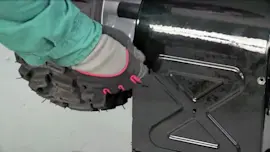
Owner’s manual
 View engine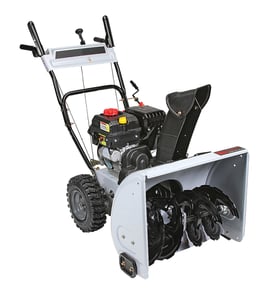




How to find snowblower model number?
On your Craftsman snow blower model C950-52021-0, the model and serial number are on the number plate at the rear of the snowblower. Record both numbers; you will need them to match the correct replacement parts and service information in the owner's manual.
Check these common label locations first:
- Rear of the snowblower (number plate; often between the wheels)
- Side of the frame near the auger housing
- Control panel area (less common)
- Under the handle panel or near the axle area (varies by build)
Your unit has identifying numbers for the snowblower itself, and the engine has its own model number.
| What you’re identifying | What it’s used for | Typical location |
|---|---|---|
| Snowblower model number (example: C950-52021-0) | Matching chassis parts (auger housing, skid shoes, belts, wheels) | Rear number plate |
| Snowblower serial number | Confirming production run details | Rear number plate |
| Engine model number | Matching engine-specific parts (carburetor parts, ignition parts, tune-up items) | On/near the blower housing/engine area |
Using the correct model and serial number prevents ordering the wrong parts. For example, a tune-up kit or wheel/tire assembly must match the exact configuration used on your C950-52021-0.
- Copy the model number exactly, including dashes
- Write down the serial number next to it
- Take a clear photo of the number plate for future reference
- Use the model number when ordering parts from the parts list for this model, or search by model on Sears PartsDirect
Last updated: February 2026
How many years should a snowblower last?
A gas snow blower like the Craftsman C950-52021-0 typically lasts 10 to 15 years with normal residential use and consistent maintenance. Keeping up with oil changes, lubrication, and tune-ups prevents the most common wear issues that shorten snowblower life.
- Maintenance frequency (oil changes, lubrication, inspections)
- Fuel care and storage (stale fuel and carburetor gumming are common life-shorteners)
- Operating habits (running at proper throttle, avoiding gravel pickup)
- Wear items replaced on time (belts, spark plug, shear pins)
- Corrosion control (cleaning, touch-up paint, rust preventative on bare metal)
Your C950-52021-0 owner documentation calls out regular lubrication intervals and storage steps; follow the service sections in the owner's manual.
A practical baseline schedule:
| When | What to do | Why it matters |
|---|---|---|
| Every use | Quick visual check for loose fasteners and damage | Prevents small issues from becoming breakdowns |
| Every 10 to 25 hours | Lubricate key points (per manual intervals) | Reduces friction and drive wear |
| Each season | Check spark plug gap and condition | Improves starting and power |
| End of season (30+ days storage) | Treat or remove fuel; clean and lubricate | Prevents carburetor deposits and rust |
- Run the engine at full throttle and adjust ground speed for conditions.
- Overlap passes slightly for cleaner clearing and less strain.
- Set skid height correctly; on gravel, keep the skids lower to avoid picking up rocks.
Replacing routine tune-up items on schedule is one of the easiest ways to keep a snowblower running strong.
Common maintenance option for this model:
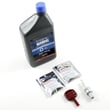
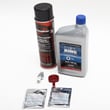
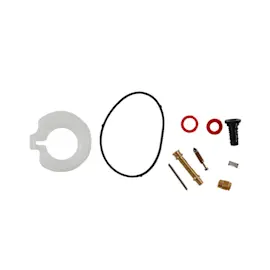
- Snowblower engine tune-up kit 730280 (seasonal refresh items in one kit)
A snowblower usually gets replaced due to starting problems, drive issues, or rust damage, not because the machine is “too old.” Consistent maintenance and proper off-season storage are what keep a 10.5 HP-class machine like this one reliable for many winters.
Last updated: February 2026
What is the most common reason snowblower won't start?
On a Craftsman snow blower model C950-52021-0, the most common no-start cause is fuel-related (old/stale gas or a gummed carburetor), followed closely by ignition issues (spark plug) and starting setup (key, throttle, primer, and drive levers not fully disengaged). See the owner's manual for the exact cold-start steps.
- Confirm the ignition key is fully inserted.
- Make sure the auger drive and traction drive clutch levers are disengaged (released) before starting.
- Set the throttle correctly for temperature (FAST above 0°F, about 1/2 throttle below 0°F).
- Use the primer as directed for a cold start.
- If fuel is older than about 30 days, drain it and refill with fresh fuel.
- Inspect the spark plug condition and connection.
| Likely cause | What you’ll notice | Best first action |
|---|---|---|
| Old/stale fuel or varnish in carburetor | Starts then dies, or will not fire at all | Drain fuel, add fresh fuel; clean carburetor bowl/jet if needed |
| Spark plug problem | No ignition “pop”, wet or fouled plug | Clean/replace plug; verify plug wire is firmly seated |
| Flooded engine | Strong fuel smell, wet plug | Wait a few minutes, set throttle to FAST, try again without priming |
| Starting controls not set | Pull cord feels normal but no start | Recheck key, throttle position, and both drive levers released |
If your C950-52021-0 has an electric starter, we follow the manual’s sequence: connect the power cord to the switchbox and outlet, then use the starter button in short bursts. For recoil starting, use smooth pulls and avoid repeated priming that can flood the engine.
A no-start is usually a simple setup or maintenance issue. Fixing fuel quality and following the correct cold-start procedure prevents repeated flooding, reduces plug fouling, and helps protect the starter system.
If you’re stocking up on maintenance items, the snowblower engine tune-up kit 730280 is a common way to refresh ignition and basic service parts; you can also search by model on Sears PartsDirect.
Last updated: February 2026
How to start a Craftsman C950-52021-0 snowblower?
To start your Craftsman C950-52021-0 gas snowblower, set the throttle to FAST, use CHOKE for a cold engine, prime if equipped, then start with the recoil rope or electric starter. After it starts, move the choke toward RUN gradually for smooth operation.
- Move the snowblower outdoors for ventilation.
- Make sure auger and drive controls are released.
- Check engine oil level.
- Use fresh gasoline.
- Confirm the spark plug wire is fully seated.
- Throttle: FAST
- Choke: CHOKE (cold) or PARTIAL/RUN (warm)
- Prime: typically 1 to 3 presses if cold (if equipped)
- Pull the starter rope with a smooth, firm pull
- As it warms up, move choke toward RUN in small steps
Use the electric starter only in short bursts to protect the starter.
- Plug the starter cord into the snowblower first, then into a grounded outlet
- Throttle: FAST; Choke: as needed
- Press the starter button until the engine fires
- Unplug from the outlet first, then from the snowblower
- Flooded (strong fuel smell): wait 5 to 10 minutes; retry with choke OFF and no prime
- Starts then stalls: stale fuel or choke not opened enough
- No sputter: check fuel valve (if equipped), fuel level, and spark plug connection
| Symptom | Most common cause | What to do |
|---|---|---|
| Starts then dies | Choke not adjusted, old fuel | Open choke gradually; replace fuel |
| Strong gas smell | Flooded engine | Wait; restart with no prime |
| No start at all | Fuel or spark issue | Check fuel flow and plug wire |
Correct choke, throttle, and priming prevent flooding, reduce wear on the recoil and electric starter, and help the engine run reliably in cold weather. For seasonal maintenance, use a kit like the snowblower engine tune-up kit 730280. See the exact control locations and starting notes in the C950-52021-0 owner's manual. You can also find parts by model on Sears PartsDirect.
Last updated: February 2026