 Installation guide
 Owner’s manual



What is the average lifespan of a Frigidaire dishwasher?
A Frigidaire dishwasher like model LFBD2409LW0B typically lasts 7 to 10 years. With consistent cleaning, correct detergent use, and prompt leak or drain fixes, many units reach 10 to 13 years before major repairs (pump, heater, or motor) become more common.
What most affects dishwasher lifespan
- Water quality: hard water speeds up mineral buildup on the heater and inside the sump.
- How often you run it: multiple cycles per day shortens wear-item life.
- Drain and fill health: kinks, clogs, or low water pressure strain the pump and motor.
- Heat and drying performance: weak heating can leave moisture behind, increasing odor and residue.
- Door sealing: a worn seal can cause leaks that damage components over time.
Maintenance that adds years (practical checklist)
- Clean the filter area and sump regularly; remove glass, labels, and food debris.
- Run hot water at the sink before starting a cycle so the dishwasher fills with hotter water.
- Keep the drain hose routed correctly and unkinked; kinks can cause draining problems.
- Use the right amount of detergent and rinse aid for your water hardness.
- Fix small leaks early; replace a worn lower door seal when you see drips.
Common “end-of-life” symptoms and likely repair areas
| Symptom | What it often points to | Example part for LFBD2409LW0B |
|---|---|---|
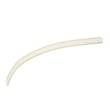
| Not draining | drain restriction, hose issue, pump problem | Drain hose 807117001 |
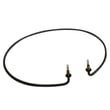
| Not drying / cool water | heating circuit issue | Heater 154825001 |
| Leaking at the bottom of the door | worn door seal | Dishwasher door seal 809006501 |
| Poor wash, weak spray | circulation/pump wear or blockage | Pump A00126401 |
Why it matters
Knowing the typical lifespan helps you decide when maintenance makes sense versus when a larger repair (like a pump and motor assembly) is a better investment decision for an older dishwasher.
For model-specific use and care guidance, follow the cleaning and operating recommendations in the LFBD2409LW0B owner’s manual.
Last updated: February 2026
What is the most common problem with a Frigidaire dishwasher?
The most common Frigidaire dishwasher complaints are poor cleaning and draining problems caused by restricted water flow (clogged spray arms, filters, or a kinked drain hose) and leaks at the door. On model LFBD2409LW0B, start with the basic checks and the setup guidance in the installation guide.
Most common symptoms and what they usually mean
- Not cleaning well: spray arm holes blocked, low water fill, or weak wash circulation
- Not draining: drain hose kinked or restricted, disposer plug not knocked out on first-time hookups
- Leaking: door seal not sealing, door not closing squarely, unit not level
- Won’t start or stops mid-cycle: door not fully latched, control not set as expected
- Not drying: heater circuit issue, rinse aid or cycle selection problem
Quick checks we recommend first (LFBD2409LW0B)
- Confirm the dishwasher is level; leveling improves performance and helps prevent leaks.
- Inspect the drain path for restrictions; kinked hoses can cause problems.
- If connected to a food disposer for the first time, make sure the disposer inlet plug is knocked out.
- Verify hot water supply and adequate water pressure for a proper fill.
- If filling seems weak, the inlet valve screen can clog; cleaning the screen is a common fix.
Parts that commonly solve these problems
| Symptom | Common part to inspect/replace | What it affects |
|---|---|---|
| Leaks at the bottom/front of door | Dishwasher door seal 809006501 | Keeps water inside the tub at the door opening |
| Not draining or slow drain | Drain hose 807117001 | Carries water from pump to drain/disposer |
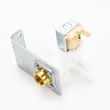
| Not filling or low water | Dishwasher water inlet valve 154637401 | Controls water entering the dishwasher |
Why it matters
Most “dishwasher problems” are really water-flow problems. When fill, spray, or drain is restricted, you get dirty dishes, standing water, odors, and sometimes leaks. Fixing the restriction early also reduces strain on the pump and motor.
Last updated: February 2026
Can I replace dishwasher parts myself?
Yes, for a Frigidaire LFBD2409LW0B dishwasher, we can replace many common parts ourselves if we shut off power and water first and follow the correct steps. Simple mechanical items (seals, racks, spray components) are the best DIY wins; wiring and plumbing repairs take more care.
Good DIY repairs vs. better left to a pro
Usually DIY-friendly
- Door sealing issues: replace the dishwasher door seal 809006501
- Poor cleaning from a clogged/loose wash arm: inspect or replace the dishwasher spray arm 5304513274
- Drain hose leaks or kinks: replace the drain hose 807117001
- Rack problems: replace the dishwasher dishrack roller, lower 5304532229
Often better with advanced DIY skills
- No fill or slow fill: dishwasher water inlet valve 154637401
- No heat or poor drying: heater 154825001
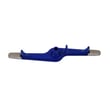
- No wash circulation or loud grinding: dishwasher pump and motor assembly 154844301
Safety and prep checklist (do this every time)
- Disconnect electrical power at the breaker before opening panels or touching wiring.
- Shut off the water supply valve under the sink.
- Pull the dishwasher out only as far as needed; protect the floor.
- Keep drain, water, and electrical lines routed away from the motor/frame area.
- After reassembly, turn water on and check all joints for leaks.
What the installation guide tells us to verify after a repair
Use the LFBD2409LW0B installation guide checklist before you run a cycle:
| Check | What you’re confirming | Why it matters |
|---|---|---|
| Unit is level and secured | Brackets or mounting method is tight | Prevents tipping when the door opens |
| Hoses are clear | No kinks in water and drain lines | Prevents fill and drain problems |
| Wiring is secure | Junction box connections are tight | Prevents no-power and intermittent issues |
| Door clears cabinets | Door opens without hitting anything | Prevents leaks and hinge damage |
Why it matters
Dishwashers combine water, heat, and electricity in a tight space. Doing the shutoffs, routing lines correctly, and confirming the post-repair checks prevents leaks, no-start problems, and repeat failures.
Last updated: February 2026
What are the commonly replaced parts in a dishwasher?
In a Frigidaire dishwasher like model LFBD2409LW0B, the most commonly replaced parts are the wash and drain components (pump, hoses, inlet valve), leak-prevention seals, and wash-performance parts like the heater and spray arm. These parts wear from heat, detergent, vibration, and clogs.
Most common dishwasher parts that get replaced
These are the parts we see replaced most often when a dishwasher won’t drain, won’t fill, leaks, or stops cleaning well:
- Circulation/drain pump: drives water through the spray arms and out the drain (example: pump A00126401)
- Water inlet valve: controls water entering the tub (example: dishwasher water inlet valve 154637401)
- Heater: boosts water temperature and supports drying (example: heater 154825001)
- Drain hose: can clog, kink, or leak (example: drain hose 807117001)
- Door seals and gaskets: prevent leaks at the door (example: dishwasher door seal 809006501)
- Spray arm: clogs or cracks reduce cleaning (example: dishwasher spray arm 5304513274)
Quick symptom-to-part guide
| Symptom | Most likely parts to check | What usually happens |
|---|---|---|
| Dishwasher won’t fill | Water inlet valve, float switch | No water entering, or overfill protection stuck |
| Dishwasher won’t drain | Pump, drain hose | Standing water, slow drain, or humming |
| Not drying | Heater | Dishes stay wet, cycle ends with cool water |
| Leaks at front/bottom | Door seal, gasket | Drips during wash or at end of cycle |
| Not cleaning well | Spray arm, pump | Weak spray, debris left on dishes |
Why it matters
Replacing the right part first saves time and prevents repeat failures. For example, a kinked drain hose can look like a bad pump, and a leaking door seal can mimic a tub or sump leak.
Helpful checks before ordering parts
We recommend these basic checks first because they often point to the correct failure:
- Confirm the dishwasher is level and securely fastened (tilting can affect door sealing)
- Look for kinks in the drain line and water line
- Check for obvious leaks around the door perimeter
- Inspect the spray arm holes for debris buildup
- Verify the unit is getting hot water and completing the cycle normally
For model-specific diagrams, access panels, and installation clearances, use the LFBD2409LW0B installation guide and the LFBD2409LW0B manual.
Last updated: February 2026





