


What does KSM mean in KitchenAid?
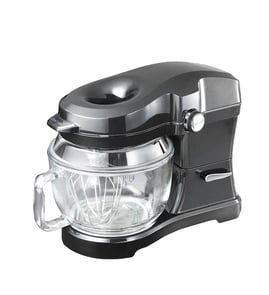
On KitchenAid model numbers like KSM75WH1, KSM is the prefix KitchenAid uses to identify a KitchenAid stand mixer. It helps match the correct stand mixer parts and attachments to your specific mixer series.
Why KitchenAid uses “KSM”
KitchenAid model numbers are built from letter and number groups. The KSM prefix is a quick way to tell you are looking at a stand mixer model, not another KitchenAid small appliance.
What you can do with this info:
- Confirm you are shopping in the right category (stand mixer parts).
- Narrow down compatible parts by model family.
- Avoid ordering look-alike parts meant for other KitchenAid products.
- Make sure attachments match your mixer’s hub and bowl-lift or tilt-head style.
How to use the model number when ordering parts
For the best match, use the full model number (not just KSM) when selecting replacement parts for your KitchenAid KSM75WH1.
Common examples of model-specific parts you might shop for:
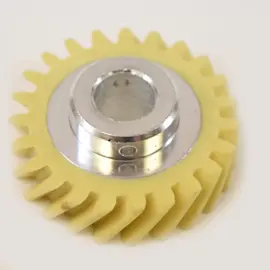
- Stand mixer worm gear WPW10112253
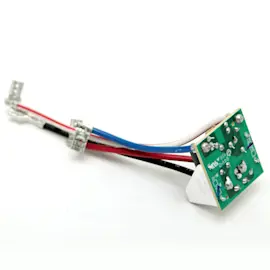
- Stand mixer speed control board WPW10119326
- Stand mixer flat beater WPW10672617
- Wire whip WP9704329
Quick reference: what “KSM” tells you (and what it does not)
| Marking in model number | What it indicates | What it does not guarantee |
|---|---|---|
| KSM | KitchenAid stand mixer series | Exact bowl size or color |
| Numbers (example: 75) | Series or capacity family identifier | Exact motor wattage |
| Suffix letters/numbers | Version, finish, or revision | Cross-compatibility with all KSM parts |
Why it matters
Stand mixer parts like gears, speed control components, and beaters can look similar across models, but fit and performance depend on the exact model. Using KSM75WH1 prevents mismatches and repeat repairs.
Last updated: January 2026
What is the #1 rated stand mixer?
There is no single “#1 rated” stand mixer for everyone; the best choice depends on what you mix most often (cookies, cakes, bread dough) and how much capacity and power you need. For many home kitchens, KitchenAid tilt-head mixers are consistently top picks, and your KitchenAid KSM75WH1 is in that proven, repairable style.
How we recommend choosing the “best” stand mixer
- Capacity: 4.5 to 5 quarts fits most home baking; larger bowls help with big batches.
- Dough workload: Frequent bread dough needs a sturdier drive train and good cooling.
- Attachments you will actually use: flat beater, wire whip, dough hook, plus hub attachments.
- Serviceability: availability of gears, control parts, and bowls matters long-term.
- Fit and stability: a solid base and good feet reduce walking on the counter.
Quick comparison: what “#1” usually means
| If you mostly make… | What to prioritize | Typical best fit |
|---|---|---|
| Cookies, frosting, cakes | Smooth speed control, easy scraping | Tilt-head stand mixer |
| Bread dough weekly | Torque, gear durability, lower speed strength | Heavier-duty mixer design |
| Small batches | Smaller bowl, lighter footprint | Compact stand mixer |
Why it matters
A stand mixer can feel “top rated” in reviews but still be the wrong match if it struggles with your most common recipes. Choosing based on workload and parts support helps you avoid stripped gears, overheating, and inconsistent mixing.
Keeping a top-rated mixer running like new
If your KSM75WH1 starts clicking, grinding, or stalls under load, the drive gear is a common wear point. Replacing the gear WPW10112253 restores power transfer in many repairs.
Last updated: January 2026
Is the KitchenAid KSM75WH1 discontinued?
Yes. The KitchenAid KSM75WH1 stand mixer is a discontinued model, but we still support repairs by offering replacement parts that commonly wear out over time (gears, speed-control components, and attachments).
How to tell if your KSM75WH1 is truly discontinued
A model is typically considered discontinued when it is no longer being manufactured and is mainly supported through parts and service.
- The model number KSM75WH1 no longer appears as a current production model
- Retailers may still sell remaining inventory (new old stock) for a period of time
- Parts availability is the best indicator of ongoing support
- Attachments and bowls may still be widely compatible across similar tilt-head mixers
What to do if you need parts for a discontinued mixer
We recommend matching parts by model number and the specific symptom you are fixing.
- For grinding, clicking, or a mixer that runs but does not turn the beater, check the gear WPW10112253
- For speed issues (surging, only one speed, or no response), inspect the speed-control linkage and board
- For wobble or looseness, check pins, rings, and shaft-related parts
- For mixing performance, confirm the correct beater or whip is installed and not bent
Common repair paths (quick guide)
| Symptom | Most common area | Example part on this model |
|---|---|---|
| Loud grinding or jam | Gearcase drive | Gear / worm gear system |
| Runs but beater does not move | Worm gear stripped | Gear WPW10112253 |
| Speeds inconsistent | Speed control | Link-speed, control plate |
| Excess vibration | Base/feet or internal wear | Foot, shaft-related parts |
Why it matters
When a stand mixer is discontinued, the best way to keep it running is to repair it with model-matched parts. That avoids fit issues and helps restore normal mixing speed, torque, and attachment performance.
Last updated: January 2026
What is the life expectancy of a KitchenAid stand mixer?
A KitchenAid stand mixer like model KSM75WH1 typically lasts 10 to 15 years with normal home use and basic care. Heavy loads, frequent use, and running the mixer at high speed for thick dough can shorten lifespan, while routine cleaning and timely part replacement can extend it.
Typical lifespan by use level
| Use pattern | What “normal” looks like | Typical life expectancy |
|---|---|---|
| Light | Occasional baking, mostly batters | 15+ years |
| Moderate | Weekly use, mixed recipes | 10 to 15 years |
| Heavy | Frequent bread dough, long run times | 5 to 10 years |
What shortens a stand mixer’s life
- Mixing very stiff dough on high speeds
- Running long continuous batches without cool-down breaks
- Overfilling the bowl or forcing attachments through thick mixtures
- Ignoring new noises (grinding, clicking) or oil/grease seepage
- Using worn internal gears until they strip
Parts that commonly extend service life
When performance changes, replacing a worn mechanical part is often more cost-effective than replacing the whole mixer.
- If you hear grinding or the beater stops under load, check the worm gear; it is designed to wear first to protect the motor: gear WPW10112253
- If the mixer “hunts” between speeds or will not hold a steady speed, inspect the speed control components: plate-ctrl WPW10119326
- If the mixer vibrates or “walks” on the counter, replace missing or hardened feet: foot WP9709707
Quick care checklist (best practices)
- Use lower speeds for kneading; increase only as the recipe allows
- Stop and scrape the bowl instead of forcing the mixer to power through
- Let the mixer rest if the housing feels hot during long mixes
- Keep the attachment hub and planetary area clean and dry
- Address unusual noise early to prevent secondary damage
Why it matters
A stand mixer’s motor and gear train are built for long service, but overload and heat are what typically end its life early. Using the right speed and replacing wear parts promptly helps protect the motor, gears, and speed control system.
Last updated: January 2026