Installation guide
 Owner’s manual
 Error Codes




Are Electrolux appliances considered high end?
Yes. Electrolux is generally considered a premium (high-end) appliance brand, and the Electrolux EFLW317TIW1 front-load washer reflects that positioning with features focused on fabric care, efficiency, and a more refined user experience. For model-specific operation details, use the EFLW317TIW1 owner's manual.
What “high end” usually means for Electrolux
When people describe Electrolux as “high end,” they typically mean a mix of build quality, performance, and convenience features.
- Strong wash performance and fabric-care focused cycles (for example, delicates and fast wash)
- More advanced controls and options compared to basic washers
- Quieter, smoother operation (when installed and leveled correctly)
- Premium styling and fit-and-finish
- Better long-term support for parts and service compared to off-brand units
How this applies to the EFLW317TIW1 washer
This washer’s design and feature set align with what customers expect from premium front-load machines.
- Front-load design for efficient cleaning and water use
- Multiple cycle selections and adjustable settings (temperature, spin speed, soil level)
- Maintenance features like a Clean Washer cycle to help prevent odor buildup
- Safety and usability features such as a door lock and control lock
Quick comparison: premium vs basic washer expectations
| Category | Premium expectation | Basic expectation |
|---|---|---|
| Controls | More cycle/options flexibility | Fewer cycles and options |
| Cleaning performance | Better stain and soil handling | Adequate for everyday loads |
| Noise/vibration | Lower when properly installed | Often louder, more vibration |
| Maintenance | Built-in cleaning reminders, cycles | Fewer maintenance aids |
Why it matters
If you are deciding whether Electrolux is worth it, the real value is usually in day-to-day results: better cleaning with less wear on clothes, fewer nuisance issues (like oversudsing or odor when maintained), and a more polished ownership experience.
Helpful tip for keeping performance “high end”
A premium washer performs best when it is installed and maintained correctly.
- Use HE (high-efficiency) detergent to reduce oversudsing
- Leave the door ajar between loads to reduce moisture and odor
- Run the Clean Washer cycle monthly (or when the reminder appears)
- Keep the dispenser drawer clean and free of buildup
Last updated: March 2026
What are the common problems with Electrolux washing machines?
Electrolux front-load washers like model EFLW317TIW1 commonly have slow draining, vibration during spin, oversudsing, odor or residue buildup, and occasional fill or leak complaints. Many issues trace back to installation setup, load size, and detergent use; the best starting point is the troubleshooting and care guidance in the EFLW317TIW1 use & care guide.
Common issues and what to check first (EFLW317TIW1)
- Slow or no drain: straighten a kinked drain hose; confirm the standpipe is not too tall (the guide notes an 8 ft max)
- Washer won’t spin or clothes are too wet: reduce load size, redistribute the load, and avoid overloading
- Oversudsing (extra rinses, longer cycle): switch to HE detergent and use less detergent
- Vibration or thumping: level the washer on all four legs; confirm shipping bolts and foam were removed during installation
- Odor or residue in gasket/dispenser: run the Clean Washer cycle monthly and dry the gasket area after use
When a part may be involved
The EFLW317TIW1 guide focuses on setup and user-correctable causes first. If you’ve verified hose routing, leveling, and detergent use and the symptom persists, a component may need inspection or replacement.
| Symptom | What we check next | Example part for this model |
|---|---|---|
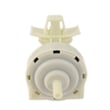
| Water won’t drain after hose/standpipe checks | Drain system component inspection | Washer drain pump assembly 5304505209 |
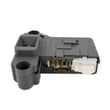
| Door won’t latch securely or won’t start with door closed | Door strike alignment and wear | Frigidaire washer door strike 5304505088 |
Quick maintenance steps that prevent repeat problems
- Run Clean Washer about once a month; follow with Rinse & Spin with no detergent
- Leave the door ajar between loads (door stand ventilation feature on select models)
- Use HE detergent and measure carefully
- Check inlet hoses periodically and replace hoses every 5 years (as recommended in the guide)
Why it matters
Drain, oversudsing, and vibration problems can extend cycle time, leave clothes soaking wet, and increase wear on the tub and suspension. Routine cleaning and correct installation setup help keep the EFLW317TIW1 running smoothly.
Last updated: January 2026
What is the life expectancy of an Electrolux washer?
Electrolux washers typically last 10 to 15 years with normal household use. For your Electrolux EFLW317TIW1 front-load washer, regular cleaning and correct detergent use (per the EFLW317TIW1 use & care guide) are the biggest factors in reaching that lifespan.
What affects how long the EFLW317TIW1 lasts
A washer’s “life expectancy” is mostly about wear items and how hard the machine is worked. These habits help extend service life:
- Use HE (high-efficiency) detergent and avoid overdosing to reduce oversudsing and residue.
- Run the clean washer cycle about once a month (the guide notes a reminder about every 50 cycles).
- Leave the door ajar between loads to reduce odor and moisture buildup.
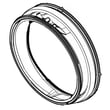
- Wipe and dry the door gasket folds after the last load of the day.
- Keep the washer level to reduce vibration and stress on suspension parts.
- Replace inlet hoses about every 5 years to reduce leak risk.
Typical lifespan by usage pattern
| Usage pattern | Typical lifespan | What usually ends it first |
|---|---|---|
| Light (1 to 3 loads/week) | 12 to 15 years | Door gasket residue, minor leaks |
| Average (4 to 7 loads/week) | 10 to 15 years | Drain issues, vibration wear |
| Heavy (multiple loads/day) | 7 to 12 years | Suspension wear, pump wear |
Why it matters
Knowing the 10 to 15 year expectation helps you decide when maintenance is worth doing versus when repeated failures suggest planning for replacement. On front-load models like the EFLW317TIW1, preventing moisture and detergent buildup is often the difference between “average” and “long” life.
When a repair is commonly worth it
If the washer is otherwise in good shape, these repairs are often straightforward and can extend life:
- Fixing a no-drain or slow-drain problem by replacing the washer drain pump assembly 5304505209
- Addressing door-closing or door-locking issues by inspecting the door strike and latch alignment
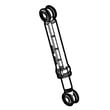
- Reducing excessive vibration by leveling the cabinet and checking shock absorbers
Last updated: January 2026