Owner’s manual
 Error Codes



What's the life expectancy of a refrigerator freezer?
A refrigerator-freezer typically lasts 10 to 15 years (about 12 years on average). For the Gladiator GAFZ21XXRK01 freezerator refrigerator, consistent temperature settings, good airflow, and routine cleaning help you reach the high end of that range; see the GAFZ21XXRK01 owner's manual for model-specific care and control guidance.
Typical life expectancy by style
Most units fall into these ranges when used normally and maintained well:
- Basic top-freezer refrigerators: 15+ years
- Side-by-side and French door models: 10 to 14 years
- Convertible garage freezerator units (like GAFZ21XXRK01): 10 to 15 years
- Built-in refrigeration: 20 to 25 years
| Appliance type | Typical lifespan | What usually ends life first |
|---|---|---|
| Standard refrigerator/freezer | 10 to 15 years | Compressor wear, sealed system leaks |
| Convertible freezerator | 10 to 15 years | Fan/defrost issues, control problems |
| Built-in | 20 to 25 years | Sealed system, electronics |
What shortens lifespan fastest
These are the most common life-reducers we see across refrigerator and freezer designs:
- Running in a space with poor ventilation or heavy dust buildup
- Door not sealing well (warm air infiltration and longer run times)
- Overloading shelves so air cannot circulate
- Frequent temperature changes (controls constantly being adjusted)
- Ignoring early symptoms (warm temps, heavy frost, loud fan noise)
Maintenance that adds years (practical checklist)
Use this routine to reduce compressor run time and prevent frost and odor problems:
- Keep doors closed as much as possible; avoid long “door open” periods.
- Keep the unit reasonably full, but leave air gaps for circulation.
- Clean interior surfaces regularly to prevent odors (the manual recommends about monthly cleaning).
- Confirm the compartments are set to the correct mode and setting (refrigerator vs freeze) so the unit operates as designed.
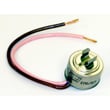
- If you notice heavy frost or temperature swings, check defrost components early; a failed defrost thermostat such as the defrost bi-metal WP4387503 can contribute to icing and poor cooling.
Why it matters
A refrigerator-freezer that runs longer to hold temperature uses more energy and puts extra wear on the compressor and fans. Simple habits (stable settings, good airflow, clean interior) reduce run time and help the GAFZ21XXRK01 reach its normal service life.
Last updated: February 2026
What are signs of a failing refrigerator?
If your Gladiator freezerator refrigerator model GAFZ21XXRK01 is failing, you will usually notice temperature problems (food spoiling or soft ice), longer run times, unusual noises, moisture or leaks, or heavy frost. Start by confirming the controls and airflow basics in the GAFZ21XXRK01 owner's manual.
Common warning signs to watch for
- Food spoils faster than normal or temperatures swing between warm and cold
- Heavy frost or ice buildup that returns quickly after defrosting
- Water leaking inside the cabinet or onto the floor (often after defrost)
- The unit runs almost constantly, or it stops and starts more than usual
- New or louder noises (rattling, sizzling during defrost, gurgling, popping)
- Doors do not close firmly or you see gaps in the door seal
Quick checks we recommend before you assume it is “dying”
These checks solve many “not cooling” and “running too long” complaints on convertible refrigerator/freezer designs.
- Make sure vents are not blocked by food packages (blocked airflow causes temperature and moisture problems)
- Verify the controls are not set to OFF and are set correctly for the compartment mode
- Confirm the doors close completely and are not being held open by bins or shelves
- If it just stopped cooling, wait 30 minutes and recheck (automatic defrost can temporarily stop cooling)
- Listen for normal operating sounds described in the manual (some gurgling, sizzling, and popping is expected)
| Symptom | Often points to | What to do next |
|---|---|---|
| Warm temps, fan noise changes | Airflow or control setting | Clear vents; recheck settings |
| Heavy frost buildup | Defrost system issue | Inspect defrost components; consider defrost bi-metal WP4387503 |
| Door won’t seal, moisture | Door gasket issue | Inspect gasket for tears and gaps |
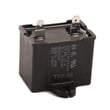
| Clicking/humming, won’t start | Start components | Consider upright freezer run capacitor WPW10662129 |
Why it matters
Catching these signs early helps prevent food loss, reduces compressor strain, and can turn a major repair into a simpler fix (like restoring airflow, correcting settings, or replacing a failed defrost or start component).
Last updated: February 2026
What is the disadvantage of a side-by-side fridge?
The biggest disadvantage of a side-by-side refrigerator is the narrow, tall compartment shape; it limits wide-item storage (pizza boxes, platters, sheet pans) and can make bulky frozen-food storage harder. Your Gladiator GAFZ21XXRK01 is a convertible refrigerator/freezer, not a side-by-side; use the layout guidance in the GAFZ21XXRK01 owner's manual to get the best storage and airflow.
Common side-by-side drawbacks
- Narrow shelves make wide items difficult to store flat.
- Freezer side often feels tight for bulky items.
- More time with doors open while searching can raise temps and increase frost.
- Organization can be harder without bins because items stack front-to-back.
- Door swing clearance can be an issue in tight kitchens.
How this relates to the Gladiator GAFZ21XXRK01
Because the GAFZ21XXRK01 is a convertible refrigerator/freezer with upper and lower compartments, the “narrow-shelf” side-by-side issue usually does not apply the same way. The most common disadvantages owners notice with convertible units are airflow and organization issues when shelves and vents are blocked.
- Keep air vents clear; blocked vents cause temperature and moisture problems.
- Wrap or cover foods tightly to reduce odor transfer between compartments.
- Adjust shelves to fit your most-used items; grouping similar foods reduces door-open time.
- Allow installation clearance for ventilation and door swing (as specified in the manual).
Quick comparison: side-by-side vs convertible refrigerator/freezer
| Feature | Side-by-side refrigerator | Convertible refrigerator/freezer (like GAFZ21XXRK01) |
|---|---|---|
| Wide-item storage | Often limited | Typically easier with adjustable shelving |
| Main tradeoff | Narrow compartments | Requires good airflow management and zoning |
| Best organization method | Bins and vertical zones | Shelf height changes and compartment “zones” |
Why it matters
Storage shape affects how long doors stay open and whether airflow gets blocked. Better organization and clear vents help maintain stable temperatures, reduce moisture issues, and keep food quality consistent.
Last updated: February 2026
Are there any drawbacks to convertible fridges?
Yes. With a convertible refrigerator/freezer like the Gladiator GAFZ21XXRK01, the trade-offs are mostly about operating conditions and day-to-day use: it can sound different than a typical kitchen refrigerator, it may run longer in warm conditions, and you must manage airflow, door openings, and mode settings carefully. See the GAFZ21XXRK01 owner’s manual for placement limits and normal operating sounds.
Common drawbacks (what owners notice most)
- More noticeable operating sounds: The manual explains that high-efficiency components and fan operation can create new sounds (including pulsating or high-pitched tones).
- Longer run time in heat or after loading food: Warm room conditions and adding a large amount of food can increase run time.
- Ambient temperature limits: The manual warns not to install where temperatures rise above 110°F (43°C) or fall below 0°F (-17°C).
- Airflow sensitivity: Blocked air vents can lead to warm temperatures because cold air cannot move properly.
- Stronger door seal feel: The manual notes you may hear a hissing noise after closing the lower door due to colder temperatures and a stronger seal.
How we reduce the downsides
- Leave the recommended clearance for ventilation and door swing.
- Keep items away from interior air vents in both compartments.
- Limit door openings; pull items out all at once when possible.
- Avoid placing the unit near heat sources.
- After switching modes, confirm the temperature is stabilizing before loading sensitive foods.
Quick reference: drawback vs. best fix
| Drawback | Most common cause | Best fix |
|---|---|---|
| Noisy or unfamiliar sounds | Normal compressor and fan operation | Verify sounds against the manual’s “Normal Sounds” section |
| Temperature too warm | Blocked vents, frequent door openings | Clear vents, organize contents, reduce openings |
| Runs a lot | Warm ambient temperature, large warm load | Improve ventilation, cool food before loading |
Why it matters
Convertible units are designed to maintain safe temperatures across different use modes and environments. Following the manual’s installation clearances, ambient temperature limits, and airflow guidance prevents warm spots, food spoilage, and unnecessary wear.
Last updated: February 2026