Owner’s manual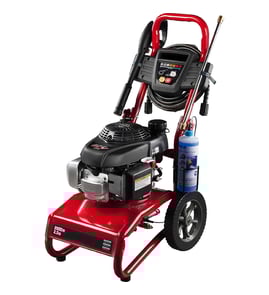



Can you put 87 gas in a pressure washer?
Yes. For the Craftsman pressure washer model 580752101, regular unleaded gasoline with a minimum 87 octane (87 AKI) is the correct fuel. Use clean, fresh gas; do not use E85, do not mix oil into the gasoline, and follow the fuel guidance in the 580752101 owner's manual.
Use fuel that meets these basics:
- Clean, fresh, unleaded gasoline
- Minimum 87 octane / 87 AKI (91 RON)
- Up to 10% ethanol (gasohol) is acceptable
- Up to 15% MTBE is acceptable
- Add fuel stabilizer if the unit will sit unused (especially 30+ days)
These choices commonly cause hard starting, surging, or fuel system damage:
- E85 or other unapproved high-ethanol fuels
- Old or stale gasoline (typically 30+ days without stabilizer)
- Gasoline mixed with oil (this is a 4-cycle engine application)
- “Alternate fuels” or engine modifications intended to run them
| Fuel type | OK to use? | Notes |
|---|---|---|
| Unleaded 87 octane (E0 to E10) | Yes | Best everyday choice for this model |
| Unleaded with MTBE (up to 15%) | Yes | Acceptable per fuel requirements |
| Higher octane (89 to 93) | Yes | Fine to use, but not required |
| E85 | No | Not approved for this pressure washer |
Using the correct gasoline helps the Craftsman 580752101 start easier, run smoothly under load, and reduces gum and varnish buildup in the carburetor during storage. That directly improves reliability and extends engine life.
Last updated: January 2026
Is it worth repairing a pressure washer?
Yes, repairing a Craftsman pressure washer model 580752101 is worth it when the problem is a wear item or leak you can fix quickly (hose, O-rings, fittings) and the engine still runs strong; it is usually not worth it when the pump or engine has major internal damage.
- Repair it if the issue is a leak at a connection, worn seal, or damaged hose
- Repair it if routine maintenance has been skipped (oil, air filter, spark plug) and performance is suffering
- Repair it if the unit has been reliable and you only need one or two parts
- Replace it if the pump or engine has severe internal failure and multiple expensive parts are needed
- Replace it if it has repeated breakdowns and downtime matters more than cost
Many “not worth it” calls are actually simple leak or flow problems. The manual specifically warns not to seal leaking high-pressure connections with sealant; the correct fix is replacing the O-ring or seal and then retesting. Use the maintenance and troubleshooting sections in the 580752101 owner's manual to confirm the right procedure and safety steps.
| Symptom | Likely cause | Typical fix |
|---|---|---|
| Water leaking at hose connection | Worn O-ring or damaged hose end | Replace O-ring; replace hose if damaged |
| Low pressure but engine runs | Nozzle issue, inlet restriction, unloader/check valve issue | Clean/inspect; service valves as needed |
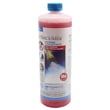
| Chemical won’t draw | Chemical pickup hose issue | Inspect/replace chemical hose |
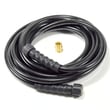
- Replace a damaged high-pressure hose with the pressure washer hose 84006753
- If detergent pickup is the issue, inspect the pressure washer chemical hose A1040NGS
- If you are chasing a small leak, plan on replacing O-rings rather than using sealant
A pressure washer can produce a high-pressure stream that can cause serious injury. When you decide to repair, doing it correctly (and safely) protects you and prevents repeat leaks and pump damage.
Last updated: January 2026
What PSI should my pressure washer be?
For the Craftsman 580752101 gas pressure washer, the rated maximum outlet pressure is 2,700 PSI. For typical home cleaning, you usually run lower effective pressure by choosing the right spray tip and keeping a safe distance from the surface; our goal is strong cleaning without damaging paint, wood, or concrete. See the 580752101 owner's manual for the model’s specifications and operating guidance.
Most homeowners get the best results by matching pressure to the job and adjusting with spray tip selection and distance.
- 1,300 to 1,900 PSI: cars, patio furniture, grills, delicate surfaces
- 2,000 to 2,800 PSI: decks, fences, siding (use care on soft wood)
- 2,500 to 3,000 PSI: driveways and tougher concrete stains (test first)
- Avoid “max pressure” on paint and soft wood: it can etch, splinter, or strip finishes
This model does not use a digital PSI dial; you control effective pressure mainly through setup and technique.
- Select a lower-pressure spray setting/tip for delicate cleaning and detergent application
- Switch to a high-pressure setting/tip for rinsing and heavier soil
- Increase distance from the surface to reduce impact; move closer only as needed
- Test a small area first before committing to the whole surface
- Keep the water supply adequate; the manual calls for more than 3.5 GPM and at least 20 PSI at the pressure washer end of the garden hose
| Cleaning job | Typical effective PSI | Best practice |
|---|---|---|
| Car, boat, outdoor cushions | 1,300 to 1,900 | Wide spray, keep distance, avoid seams/decals |
| Deck/fence (wood) | 2,000 to 2,500 | Test spot, spray with the grain, avoid close passes |
| Siding | 2,000 to 2,800 | Use wider spray, avoid forcing water behind panels |
| Concrete/driveway | 2,500 to 3,000 | Test spot, steady overlapping strokes |
Using more PSI than the surface can handle causes damage (etched concrete, torn wood fibers, stripped paint) and can also increase kickback at the spray gun. Matching PSI to the task gives faster cleaning with fewer repairs and less rework.
Last updated: January 2026