Owner’s manual
 Error Codes


What does DH mean on Kenmore Elite refrigerator?
On Kenmore Elite model 59676253701, DH commonly indicates a defrost-heater related problem (the refrigerator is not sensing proper defrost heat). Start by checking for heavy frost on the freezer evaporator cover, then test the defrost circuit components and wiring using the diagnostic steps in the 59676253701 owner's manual.
What to check first (fast, no tools)
- Confirm the freezer door closes and seals fully; warm air leaks can mimic a defrost issue.
- Look for a thick frost layer on the back wall inside the freezer.
- Listen for the evaporator fan; if airflow is weak, temperatures can drift and trigger defrost-related symptoms.
- Unplug the refrigerator for 5 minutes, then restore power and monitor cooling for the next few hours.
Electrical checks (power off)
Unplug the refrigerator before accessing panels or handling wiring.
- Inspect connectors for corrosion or loose pins at the defrost heater/evaporator area.
- Check the harness for broken wires, especially where it flexes near doors and hinges.
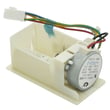
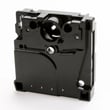
- If the unit still shows DH after basic checks, the control may not be driving the defrost load correctly; the refrigerator electronic control board WPW10503278 is the model-matched control board listed for 59676253701.
Common causes and what they look like
| Likely cause | What you may notice | Typical fix |
|---|---|---|
| Frosted evaporator from failed defrost | Freezer back wall packed with frost, warmer fresh food | Diagnose defrost heater/defrost sensing circuit |
| Air leak at door gasket | Frost near door edges, moisture, inconsistent temps | Adjust door, clean/inspect gasket |
| Control not initiating defrost | Repeating DH, cooling issues return after reset | Test/replace control board if confirmed |
Why it matters
A true DH (defrost heat) problem lets frost build up on the evaporator, which blocks airflow. That can warm the refrigerator section, reduce ice production, and overwork the compressor.
Last updated: January 2026
What is the average lifespan of a Kenmore Elite refrigerator?
Most Kenmore Elite refrigerators, including model 59676253701, typically last 10 to 15 years with normal household use and basic maintenance. Keeping temperatures stable, cleaning, and fixing small issues early helps you reach the upper end of that range; major sealed-system failures usually shorten lifespan.
What affects lifespan the most
- Condenser coil cleanliness: dust buildup makes the compressor work harder.
- Door seal condition: a leaking gasket causes longer run times and temperature swings.
- Power interruptions: repeated outages or surges can stress the electronic control board.
- Ice maker and water quality: mineral-heavy water can create ongoing ice and water issues.
- Airflow and loading habits: blocked vents and overpacking reduce cooling efficiency.
Maintenance checklist we recommend
Use the care and cleaning steps in the 59676253701 owner's manual as your baseline.
- Vacuum or brush condenser areas regularly (frequency depends on pets and dust).
- Keep door gaskets clean and check for gaps or tears.
- Confirm the refrigerator and freezer doors close fully every time.
- After a power outage, allow temperatures to stabilize before adjusting controls.
- Discard old ice and clean the bin if ice tastes stale or smells off.
Common “end-of-life” symptoms and what they usually point to
| Symptom | Most common cause | Typical next step |
|---|---|---|
| Warm refrigerator or freezer | Airflow or control issue | Check vents, settings, then test components |
| Long run times, sweating, frost | Door seal leak | Inspect/replace gasket if needed |
| Temps swing up and down | Sensor or control problem | Test sensor, then control board if needed |
| Loud clicking, no cooling | Compressor start or compressor issue | Professional diagnosis recommended |
If you are troubleshooting temperature swings, the refrigerator temperature sensor and damper control are common suspects on bottom-mount designs; for example, refrigerator temperature sensor 12002355 and refrigerator damper control WPW10196393.
Why it matters
A refrigerator that is nearing the end of its typical lifespan often uses more energy and struggles to hold safe food temperatures. Catching gasket leaks, airflow restrictions, and control issues early can prevent compressor overwork and extend service life.
Last updated: January 2026
What are the common problems with Kenmore Elite refrigerators?
Common issues on the Kenmore Elite 59676253701 bottom-mount refrigerator include warm temperatures, excess run time, unusual (but sometimes normal) operating noises, door-closing problems, and ice or water quality complaints. Many fixes are basic maintenance or airflow checks; control or sensor failures are less common but possible.
Most common symptoms and what usually causes them
- Not cooling well: dirty condenser coil, blocked vents, door not sealing, damper not opening, or a temperature sensor/control issue
- Runs too much: warm room, frequent door openings, large food load, or door left ajar (this model can run longer due to efficient compressor and fans)
- Noisy operation: pulsating, hissing/rattling, popping, or water dripping during defrost can be normal sounds
- Door will not close: food packages blocking the door, bins/shelves out of position, or a worn door gasket
- Bad-tasting or gray ice: new plumbing connections, ice stored too long, food odors, or minerals in the water (a filter can help)
Quick checks we recommend first
- Set controls to the recommended settings and allow 24 hours after any change or new installation for temperatures to stabilize.
- Confirm doors close fully and the gasket seals all the way around.
- Make sure air vents inside the fresh food section are not blocked by containers.
- Clean dust from the condenser area (improves cooling and reduces run time).
- If ice tastes off, dump old ice, wash the bin, and let the ice maker cycle for a day.
Parts that commonly relate to these problems
| Symptom | Part that may be involved | What it affects |
|---|---|---|
| Warm fresh food section | Refrigerator damper control WPW10196393 | Controls cold air flow into the refrigerator compartment |
| Temps swing or won’t regulate | Refrigerator temperature sensor 12002355 | Feeds temperature data to the control system |
| Random cooling behavior | Refrigerator electronic control board WPW10503278 | Manages compressor, fans, and defrost logic |
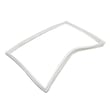
| Door not sealing | Refrigerator gasket W10443313 | Prevents warm air leaks and moisture buildup |
Why it matters
Cooling and door-seal problems can lead to food spoilage, frost buildup, and higher energy use. Catching airflow or gasket issues early also helps prevent the compressor from running excessively.
For model-specific operating notes (including normal sounds, cooling timing, and troubleshooting), use the 59676253701 owner’s manual.
Last updated: January 2026