
Do you leave the filter in a wet dry vac when vacuuming water?
For the Craftsman 113179240 8-gallon wet/dry vacuum, we remove the dry paper cartridge filter (and any dust bag) before picking up water. For wet pickup, we install the foam sleeve or wet-use filter if your vac uses one; it protects the motor while allowing airflow.
What to do before vacuuming water
- Unplug the wet/dry vac.
- Remove the dry paper cartridge filter from the filter cage.
- Remove any disposable dust bag (if installed).
- Install the foam sleeve or wet-use filter (if your setup includes one).
- Confirm the tank is empty and the drain cap is secure.
- Use a wet-rated nozzle or squeegee tool if you have one.
Quick guide: dry pickup vs. wet pickup
| Pickup type | Filter setup | What happens if you do it wrong |
|---|---|---|
| Dry debris (sawdust, drywall dust) | Dry paper cartridge filter installed | Fine dust can reach the motor if the filter is missing |
| Water or wet slurry | Dry paper filter removed; foam sleeve/wet filter used if applicable | Paper filter waterlogs, airflow drops, suction falls, and the motor can overheat |
Why it matters
A dry paper filter is designed to trap dust, not water. When it gets soaked, it clogs quickly, reduces airflow, and can cause the vacuum to run hot. Using the correct wet setup keeps suction steady and helps protect the motor and float shutoff system.
After you finish wet pickup
- Empty the tank promptly.
- Rinse and air-dry the tank, hose, and wet filter/foam sleeve.
- Let everything dry fully before reinstalling the dry paper filter.
- If suction is still weak, check for a clogged hose, a stuck float, or a lid gasket leak.
For more DIY safety basics while troubleshooting electrical tools, use our are diy appliance repairs safe guide.
Last updated: February 2026
What is the average lifespan of a wet dry vac?
A wet/dry vac typically lasts 5 to 10 years with normal homeowner use. For the Craftsman 113179240 8-gallon wet/dry vacuum, regular filter care, keeping the motor dry, and preventing hose clogs are the biggest factors that help it reach the high end of that range.
Typical lifespan ranges (what to expect)
Wet/dry vac life depends mostly on how hard it works and how clean the airflow stays.
- Light use (garage cleanup, small spills): 8 to 12 years
- Normal use (weekly shop cleanup): 5 to 10 years
- Heavy use (fine dust, construction debris, frequent wet pickup): 3 to 7 years
- Early failure is most often caused by: clogged filter, overheated motor, or water reaching the motor
| Usage pattern | What wears fastest | Best prevention |
|---|---|---|
| Fine dust (drywall, concrete) | Filter and motor | Clean/replace filter often; empty drum early |
| Wet pickup | Seals and motor protection | Use correct wet setup; dry the tank after use |
| Long run times | Motor and switch | Give cool-down breaks; keep airflow unrestricted |
Maintenance that extends wet/dry vac life
These habits make the biggest difference on Craftsman shop vacs like model 113179240:
- Keep airflow strong: empty the drum before it gets packed and heavy.
- Clean the filter regularly: tap out dust outdoors; replace when it stays gray and restricted.
- Never store it wet: rinse and dry the tank, hose, and attachments after wet pickup.
- Prevent clogs: check the hose and inlet for screws, chips, and packed debris.
- Protect the cord and plug: avoid yanking; inspect for cuts before each use.
Why it matters
A wet/dry vac motor relies on moving air for cooling. When the filter or hose is restricted, the motor runs hotter, which shortens motor life and can also damage the switch.
Helpful related guide
For electrical troubleshooting steps and safe testing basics, use our how to tell if a fuse is blown guide.
Last updated: February 2026
What is the list of vacuum cleaner parts?
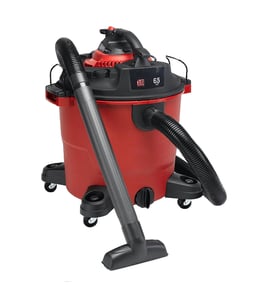
For the Craftsman 113179240 8-gallon wet/dry vacuum, the parts list typically includes the suction motor and switch, collection tank and lid, hose and wands, filter and float shutoff, and the casters and latches that keep everything sealed and rolling.
Common parts you will see on a wet/dry vacuum
- Motor head (power unit): houses the motor, fan, and cooling airflow path
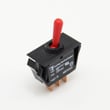
- Power switch and cord: controls power; cord supplies electricity
- Collection tank (drum/canister): holds debris and liquid
- Lid, latches, and seals/gaskets: keep suction tight and prevent leaks
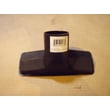
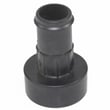
- Hose, wands, and nozzles: deliver suction to the cleaning point
- Filter and filter cage: captures dust; protects the motor
- Float shutoff: helps stop airflow when the tank fills with liquid
Quick “parts list” by function
| Function | Typical parts | What it affects |
|---|---|---|
| Suction and airflow | motor, fan/impeller, motor head housing | pickup power, noise, overheating |
| Filtration | cartridge filter, foam sleeve (wet use), filter nut/cage | dust control, motor protection |
| Collection | tank, drain cap (if equipped), lid seal | capacity, leaks, wet pickup |
| Reach and cleaning | hose, extension wands, floor nozzle, crevice tool | clogs, convenience, coverage |
| Mobility and stability | casters/wheels, axle (if equipped), handle | tipping, ease of moving |
What to check first when ordering parts
- Confirm the model number is 113179240 on the vacuum’s data label
- Match the part to the symptom (loss of suction, leaking, won’t start, poor pickup)
- Inspect wear items: filter, hose, seals, casters, and switch/cord
- For wet pickup, verify the float shutoff moves freely and the correct filter setup is installed
Why it matters
Wet/dry vacuums rely on airtight seals and the correct filter and float setup. A small issue like a cracked hose, missing gasket, or clogged filter can look like a “bad motor” but is usually a simpler fix.
For help confirming the exact model number before you shop, use how to find your appliance model number (and what it means for parts).
Last updated: February 2026
What should you not vacuum with a wet dry vac?
For the Craftsman 113179240 8-gallon wet/dry vacuum, do not pick up anything that can ignite, melt, clog the filter, or damage the hose and impeller. The biggest no-go items are hot debris (ash, coals), very fine dust without the right filter, and sharp or heavy objects.
Items to avoid (and what can happen)
- Hot or burning debris (fireplace ash, cigarettes, coals): can start a fire inside the tank or hose.
- Fine powders (drywall dust, flour, cement dust): can blow through filters, clog airflow, and overload the motor.
- Large glass shards or sharp debris: can cut the hose, damage seals, or puncture the tank.
- Small metal objects (screws, nails, washers): can damage the impeller and create sparks if they strike internal parts.
- Wet food, sludge, or sticky messes: can coat the hose and tank, causing odors and clogs.
- Large amounts of hair or stringy debris: can wrap around internal components and restrict airflow.
Quick decision guide
| Material you want to pick up | Safe with a wet/dry vac? | Best practice |
|---|---|---|
| Cool water, small spills | Yes | Use a clean tank; empty promptly |
| Cold fireplace ash | No | Use an ash-rated vacuum |
| Drywall sanding dust | Not recommended | Use a fine-dust filter and dust bag rated for fine particles |
| Broken glass | Limited | Pick up large shards by hand first; vacuum only small fragments |
| Screws and nails | Limited | Use caution; avoid large quantities |
If you already vacuumed something you should not have
- Unplug the vacuum.
- Empty the tank and check for hot debris, sharp objects, or sludge.
- Inspect the hose for cuts and blockages.
- Check the filter for heavy clogging; replace if airflow stays weak.
Why it matters
Wet/dry vacuums rely on steady airflow to cool the motor. Clogs, fine dust, and sharp or hot debris can quickly lead to poor suction, overheating, odors, and damaged internal components.
For more DIY safety basics before troubleshooting electrical issues, use our are diy appliance repairs safe guide.
Last updated: February 2026
Where to find model number on Craftsman Wet Dry Vac?
On a Craftsman wet/dry vacuum like model 113179240, the model number is printed on the vacuum’s rating/ID label (a sticker or metal tag) attached to the tank or motor housing. We typically see it on the upper body near the power switch/handle area or on the back of the tank.
Most common label locations to check
- Motor head (power unit): near the switch, handle, or cord wrap
- Back or side of the tank: often close to the hose port
- Bottom of the tank: flip the unit carefully and look for a label
- Caster/wheel area: sometimes on the lower base ring
- Accessory storage area: near built-in tool holders (if equipped)
What the label looks like (and what to copy)
The label usually includes several identifiers. Write them down exactly as shown.
| Label item | What it’s used for | Example format |
|---|---|---|
| Model number | Matching the correct parts list | 113179240 |
| Serial number | Identifying production run/version | Letters and numbers |
| Electrical rating | Confirming motor and switch specs | Volts/amps |
Quick tips so you get the right number
- Look for the words “MODEL” or “MOD.” followed by numbers.
- Copy every digit in order; do not add spaces.
- If the label is worn, shine a flashlight across it at an angle to make the print stand out.
- If you find multiple numbers, use the one labeled MODEL (not the patent number).
Why it matters
Using the exact model number helps us match the correct Craftsman wet/dry vacuum parts diagram and ensures items like the hose, filter, switch, and motor components fit your specific 8-gallon unit.
For more help identifying the correct model information, use our guide: how to find your appliance model number (and what it means for parts).
Last updated: February 2026
Why is my Craftsman vacuum not suctioning?
Low or no suction on your Craftsman model 113179240 wet/dry vacuum is usually caused by restricted airflow (a clogged or wet filter, a blockage in the hose or inlet) or an air leak at the lid or tank seal. Restoring a clear, sealed airflow path brings suction back.
Quick checks that fix most suction problems
- Empty the tank; packed debris can block the inlet and coat the filter.
- Clean and dry the filter; fine dust and damp filters cut airflow fast.
- Check the hose and wands for clogs; look end-to-end and remove lodged debris.
- Inspect the inlet port and nozzle; small objects often jam right at the opening.
- Reseat and latch the lid; a misaligned top creates a major air leak.
- Look for cracks in the hose, tank, or fittings that bleed off suction.
Fast airflow test (pinpoints the cause)
- Unplug the vacuum.
- Remove the hose and take off the filter.
- Briefly run the vacuum with no hose and no filter (keep hands clear of the inlet).
| Result at the inlet | Most likely cause | What to do next |
|---|---|---|
| Strong suction | Clog or leak in hose, wand, or nozzle | Clear blockage; replace damaged hose/fittings |
| Weak suction | Lid/tank seal leak or motor/impeller issue | Reseat lid, check gasket, inspect motor area for debris |
| Suction improves only after filter dries | Filter was wet or packed | Clean, fully dry, then reinstall correctly |
Why it matters
Wet/dry vacuums rely on high airflow and a good seal. A clogged filter or small air leak reduces pickup and can make the motor run hotter than normal.
Helpful DIY reference
For safe troubleshooting habits and basic prep, review are diy appliance repairs safe.
Last updated: February 2026