Owner’s manual
 Error Codes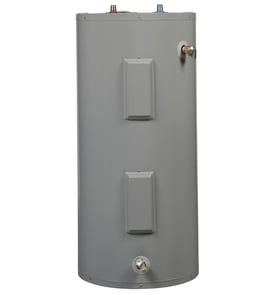



How do I know if my electric water heater element is bad?
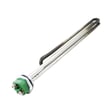
A bad heating element in your Kenmore 153316654 electric water heater commonly shows up as no hot water, not enough hot water, or slow recovery. The most reliable way to confirm is to shut off power and test the element with a multimeter for proper resistance and continuity using the steps in the 153316654 owner’s manual.
Common signs the element is failing
Look for these symptoms before you test:
- Water stays lukewarm or runs out quickly
- Long heat-up times after heavy hot-water use
- Breaker trips or fuses blow when the heater tries to heat
- Popping or sizzling sounds (often from scale buildup on the element)
- High-temperature limit trips and needs a reset
Safe checks to do first (before replacing parts)
Electric water heaters can shock; always shut off power before opening access panels.
- Confirm the water heater circuit breaker is ON and not weak/tripping under load
- Make sure the tank is completely full of water before power is turned on (running dry can damage an element)
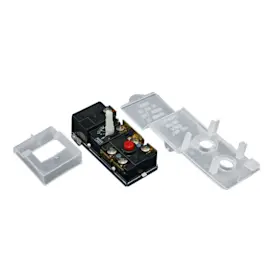
- Remove the access panel and insulation, then press the red RESET button on the high-limit control if it tripped
- Check for loose wiring connections at the element and thermostat terminals
- Verify the unit is being used on the correct voltage shown on the rating plate
Multimeter test: what readings mean
After turning power OFF and accessing the element terminals, we use a multimeter to check continuity and resistance.
| Test result | What it usually means | Next step |
|---|---|---|
| No continuity (open circuit) | Element is burned out | Replace the element |
| Very low resistance | Element may be shorted | Replace the element |
| Resistance present and stable | Element may be OK | Check thermostat, wiring, high-limit reset |
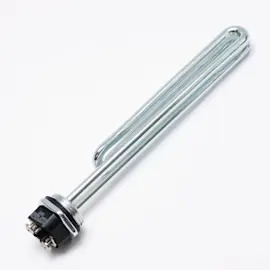
If you’re replacing the element, match it to the correct part for this model, such as the element 100108346 or element 100093526. If you see seepage at the element opening after service, replace the seal with the water heater heating element gasket 100108379.
Why it matters
A weak or failed element forces longer run times, reduces hot-water capacity, and can trigger high-limit shutdowns. Catching it early helps prevent repeat resets, nuisance breaker trips, and leaks at the element gasket.
Last updated: January 2026
How long will an electric hot water heater last?
Most electric tank-style water heaters last 10 to 15 years. For the Kenmore 153316654 Power Miser 6 electric water heater, lifespan depends most on water quality and maintenance; replacing wear items like the heating element and anode rod on time helps you reach the typical range. See the 153316654 owner's manual for maintenance and safety guidance.
Typical lifespan and what affects it
A tank water heater usually fails from tank corrosion or from heating and control parts wearing out.
- Water quality: hard water speeds up scale buildup on the heating element.
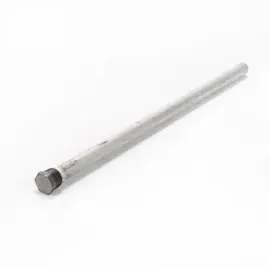
- Anode rod condition: a depleted anode rod lets the tank corrode faster.
- Temperature setting: higher settings increase stress and scale.
- Sediment level: sediment reduces efficiency and can overheat the element.
- Electrical events: repeated hi-limit trips can point to thermostat or wiring issues.
Maintenance that most improves lifespan
Use these as practical “life-extenders” for an electric water heater:
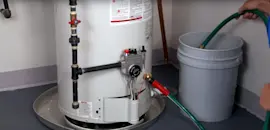
- Flush a few gallons from the tank periodically to reduce sediment.
- Inspect and replace the anode rod when it is heavily worn (common cause of early tank failure).
- If you replace an element, install a new element gasket to prevent leaks.
- Keep access panels and insulation in place so thermostats sense temperature correctly.
- If hot water stops after a power event, reset the hi-limit behind the access panels (power OFF first, per the manual).
Helpful model-matched parts:
Quick “age vs. repair” guide
| Water heater age | What we usually recommend | Why |
|---|---|---|
| 0 to 5 years | Maintain and repair as needed | Most repairs are cost-effective |
| 6 to 10 years | Repair if tank is sound; step up maintenance | Corrosion risk starts rising |
| 10 to 15 years | Repair only if minor and tank is solid | End of typical service life |
| 15+ years | Plan replacement | Tank failure risk is high |
Why it matters
A well-maintained anode rod and clean heating element help the Kenmore 153316654 heat water efficiently and reduce corrosion risk, which is the biggest factor in whether a tank reaches 10 to 15 years.
Last updated: January 2026
Is a 20 gallon water heater enough for a shower?
A 20-gallon tank can handle one short shower, but it often runs out of hot water quickly, especially with a standard showerhead or back-to-back showers. For a Kenmore 153316654 electric water heater, the best way to judge shower performance is the unit’s recovery rate and settings in the 153316654 owner's manual.
What to expect from a 20-gallon tank
A shower’s hot water use depends on flow rate, incoming water temperature, and how hot you set the thermostat.
Common real-world outcomes:
- One person, short shower: usually OK
- Two showers back-to-back: often not enough
- Long shower or high-flow head: likely to run out
- Cold-climate inlet water: hot water runs out faster
- Higher thermostat setting: more usable hot water (but higher scald risk)
Quick sizing guide (typical)
Use this as a practical rule of thumb for tank-type electric water heaters.
| Household use | Typical tank size that works well | Notes |
|---|---|---|
| 1 person, light use | 20 to 30 gallons | Short showers, low-flow helps |
| 1 to 2 people | 30 to 40 gallons | Better for back-to-back showers |
| 2 to 3 people | 40 to 50 gallons | More consistent comfort |
| 3+ people | 50+ gallons | Handles peak demand better |
Settings and safety that affect shower time
Your Kenmore water heater thermostats are factory set to about 120°F to reduce scald risk, and they are adjustable. Follow the temperature regulation guidance in the 153316654 owner's manual.
Before changing temperature settings:
- Keep 120°F as the baseline for safety
- Consider a mixing valve if higher tank temps are needed
- Never let children operate hot water taps unsupervised
- If water is suddenly too hot or not hot enough, troubleshoot the thermostat and high-limit system per the manual
Why it matters
A 20-gallon water heater can feel “too small” even when it is working correctly because showers create a steady, high demand. Choosing the right tank size (or reducing shower flow) prevents temperature swings and running out of hot water during normal use.
Last updated: January 2026