View engine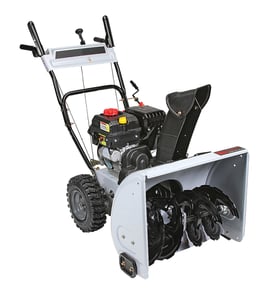



How many years should a snowblower last?
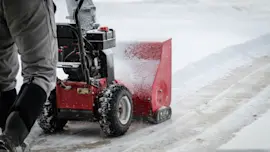
A gas snowblower like Craftsman model 536885900 typically lasts 10 to 20 years with normal residential use and consistent maintenance; heavy use, poor storage, and skipped service can shorten that, while careful upkeep can push lifespan past 20 years.
Typical lifespan by type
| Snowblower type | Typical lifespan | Notes |
|---|---|---|
| Gas (2-stage, like many 26-inch units) | 10 to 20 years | Longest life when maintained and stored dry |
| Electric corded | 5 to 10 years | Fewer engine parts, but motors/switches can wear |
| Battery | 5 to 10 years | Battery health is the main limiter |
What makes a snowblower wear out faster
- Running into ice chunks, gravel, or hidden objects (common cause of auger damage)
- Skipping oil changes and end-of-season fuel care
- Leaving it outdoors uncovered (rust, seized cables, belt deterioration)
- Operating with loose belts or slipping drive components
- Not replacing wear items as they stretch, glaze, or crack
Maintenance that extends life (what we recommend)
- Change engine oil on schedule and check oil level before each season
- Use fresh fuel and stabilize fuel before storage; run the engine to circulate treated fuel
- Inspect and replace shear bolts when needed (use the correct type, not hardware-store bolts)
- Check belt condition and tension; replace a worn belt such as the belt 3887MA if it’s cracked, glazed, or slipping
- Keep skid shoes adjusted so the scraper bar is not grinding into pavement
Why it matters
Most “snowblower failures” are really wear-item issues (belts, shear bolts, skid shoes) or storage-related fuel problems. Staying ahead of those small parts helps your Craftsman 536885900 start easier, throw snow farther, and avoid bigger repairs.
Last updated: January 2026
How do I tell what year my snowblower is?
For a Craftsman snowblower model 536885900, the most reliable way to estimate the year is to use the engine manufacture date code (on the engine shroud, valve cover, or blower housing). That code tells you when the engine was built, which is usually close to the snowblower’s build year.
Where to look for the date information
Check these common spots first (engine location varies by brand and engine family):
- Recoil starter housing (pull-start shroud)
- Valve cover area
- Blower housing near the spark plug
- Engine ID label plate (often shows model, type, and code)
- Frame tag or decal on the snowblower body (sometimes includes a serial number)
If your chute parts are missing or damaged and you are already inspecting the machine, removing the chute deflector can improve visibility to labels on some units; see the deflector 762222MA.
How to read a typical small-engine date code
Many small engines use a numeric code where the first two digits indicate the year and the next digits indicate the month and day.
| Example code | Interpreted as | What it tells you |
|---|---|---|
| 99011556 | 1999-01-15 (plus internal sequence digits) | Engine built Jan 15, 1999 |
| YYMMDDxx | Year, month, day | Engine build date |
Why it matters
Knowing the approximate year helps us match the correct Craftsman 536885900 snowblower parts (belts, shear bolts, skid shoes, bearings) and avoid ordering look-alike parts that fit a different production run.
Quick tips to avoid mix-ups
- Use the snowblower model number (536885900) for parts lookup first
- Use the engine code to estimate age and confirm engine-specific parts
- If the auger stops suddenly after hitting ice, check shear bolts before assuming a bigger failure (common wear item)
- Replace hardware with the correct type and grade; shear bolts are designed to break to protect the gearbox
Last updated: January 2026
Is sae 30 the same as 5W30 for snowblower?
No. SAE 30 and 5W-30 are both “30-weight” at operating temperature, but 5W-30 flows much better when cold. For a Craftsman snowblower model 536885900, 5W-30 is typically the better choice for winter starts and cold-weather protection.
What the numbers mean (SAE 30 vs 5W-30)
- SAE 30: single-viscosity oil; thicker during cold starts.
- 5W-30: multi-viscosity oil; acts like a 5-weight when cold, then like a 30-weight when warm.
- In snowblower use, cold-start flow is a big deal because the engine often starts well below freezing.
| Oil type | Cold-start flow | Hot protection | Best use case |
|---|---|---|---|
| SAE 30 | Fair to poor in cold | Good | Warm-weather small engines |
| 5W-30 | Very good in cold | Good | Winter equipment (snowblowers) |
What we recommend for winter operation
For most gas snowblowers, we recommend 5W-30 (or synthetic 5W-30) for easier starting and faster lubrication in cold temperatures.
Before you change oil, also check these common winter-start items:
- Fresh fuel (old fuel causes hard starting)
- Clean spark plug and correct gap
- Clean air intake area (if equipped)
- Choke operation and throttle setting
- No ice-packed snow around the recoil starter or controls
Why it matters
Using oil that is too thick at startup can delay lubrication to internal engine parts, which increases wear during the first minute of running. A winter-grade oil helps the engine crank easier and protects faster.
Related parts that often come up during snowblower service
If you are troubleshooting poor throwing performance (not just starting), these model-matched parts are commonly involved:
Last updated: January 2026
What is the most common problem with snow blowers?
The most common problem we see on a Craftsman gas snowblower like model 536885900 is a no-start or hard-start condition caused by old fuel and a dirty carburetor. Next most common are clogging in the chute and loss of auger or drive function from broken shear bolts or worn belts.
Most common issues (and what to check first)
- Won’t start / starts then dies: drain stale fuel, refill with fresh gas, check spark plug condition, and clean the carburetor bowl and jets.
- Runs but won’t throw snow well: clear packed snow and ice from the chute and impeller area; inspect the chute deflector for damage.
- Auger won’t turn: check for broken shear bolts and replace with the correct type.
- Unit won’t drive / poor traction: inspect the drive belt for glazing, cracking, or stretching.
- Controls feel loose or inconsistent: check cable tension and springs for stretching or breakage.
Quick symptom-to-likely-cause guide
| Symptom | Most likely cause | Common fix |
|---|---|---|
| Engine won’t start | Stale fuel, carburetor varnish | Fresh fuel, carburetor cleaning |
| Snow discharge is weak | Chute/impeller packed, deflector damaged | Clear blockage; replace deflector |
| Auger stops suddenly after hitting object | Shear bolt broken (designed to fail) | Replace shear bolt |
| Drives slowly or not at all | Worn/slipping belt | Replace belt |
Parts that commonly solve these problems
If you confirm a damaged or worn component, these are common replacements for model 536885900:
- Snowblower shear bolt 577015MA (auger protection after impact)
- Belt 3887MA (drive or auger drive performance)
- Deflector 762222MA (controls discharge direction and distance)
Why it matters
Catching fuel and wear issues early prevents repeated no-start problems, reduces belt slip, and helps protect the auger gearbox by ensuring the shear bolts do their job when the auger hits ice, gravel, or a hidden object.
Last updated: January 2026