
What's a good horsepower for a wet vac?
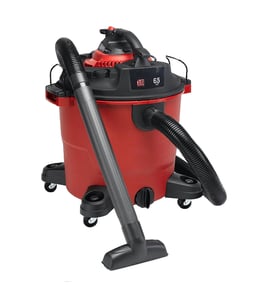
A “good” horsepower for a wet/dry vac depends on the job, but for most home cleanup a mid-range motor is the sweet spot: strong enough for wet pickup and shop debris without being overly loud or hard to maneuver. For your Craftsman model 11317798 (a 16-gallon wet/dry vacuum), focus on real suction and airflow, not just peak HP.
Wet/dry vac horsepower is often listed as peak HP, which can be more marketing than performance. In real use, these guidelines work well:
- 2 to 3 peak HP: light-duty cleanup (small spills, car interiors, light dust)
- 4 to 5 peak HP: most garages and workshops (sawdust, drywall dust, moderate wet pickup)
- 6+ peak HP: heavy-duty jobs (large debris, frequent wet pickup, longer hose runs)
If you are comparing wet vacs or troubleshooting weak pickup, these specs and setup details matter more than the HP number:
- Sealed suction (water lift): higher usually means better “pull” for wet pickup
- Airflow (CFM): higher usually means faster pickup of dry debris
- Hose diameter and length: longer and narrower hoses reduce performance
- Filter type and condition: clogged filters cut suction quickly
- Tank and lid seal: air leaks at the lid, drain cap, or hose port reduce lift
| Your typical job | Good target | What to prioritize |
|---|---|---|
| Car detailing, small messes | 2 to 3 peak HP | compact size, good attachments |
| Garage and shop cleanup | 4 to 5 peak HP | balanced suction and airflow |
| Heavy debris and frequent wet pickup | 6+ peak HP | larger hose, strong lift, durable build |
Choosing the right power level helps you get reliable pickup without fighting noise, weight, and storage hassles. For a 16-gallon wet/dry vacuum like the Craftsman 11317798, performance usually comes down to a clean filter, tight seals, and the right hose and nozzle for the debris.
For more DIY help that applies to electrical troubleshooting and safe testing, use our guide: how to use a multimeter to test electrical parts video.
Last updated: February 2026
Are cordless wet dry vacuums worth it?
Cordless wet/dry vacuums are worth it when you need quick, portable cleanup and you do not want to manage a power cord; for heavy, long-duration jobs, a corded wet/dry vacuum like the Craftsman 11317798 (16-gallon) typically delivers steadier runtime and consistent suction.
- Fast pickups in cars, stairs, sheds, and tight spaces
- Small wet spills where you want grab-and-go convenience
- Homes with limited outlets or frequent spot-cleaning
- Users who value lighter weight over maximum capacity
- Long cleanups (shop debris, renovation dust, garage floors)
- Larger wet pickups where tank capacity matters
- Strong, consistent suction without battery fade
- Lower ongoing cost (no battery replacement cycle)
| Feature | Cordless wet/dry vacuum | Corded wet/dry vacuum (Craftsman 11317798) |
|---|---|---|
| Runtime | Limited by battery | Continuous while plugged in |
| Portability | Highest | High, but cord-managed |
| Best for | Spot cleanups | Big messes and longer sessions |
| Ongoing costs | Batteries/chargers | Typically filters, hoses, wear items |
- Job size: spot cleanups vs. full garage or shop cleanup
- Wet pickup needs: occasional spills vs. frequent liquid recovery
- Storage and transport: wall space, vehicle use, carrying comfort
- Maintenance items: filter type, hose condition, and seal/gasket fit
Choosing the right power style prevents frustration: cordless wins on convenience, but corded models usually win on sustained performance for sawdust, drywall dust, and larger wet messes.
For help confirming you are shopping parts for the correct vacuum, use how to find your appliance model number (and what it means for parts).
Last updated: February 2026
What is the highest rated wet dry vacuum?
The “highest rated” wet/dry vacuum depends on what you’re cleaning and how you’ll use it. For heavy-duty garage and shop cleanup, a large-capacity shop vac like your Craftsman model 11317798 (16-gallon wet/dry vacuum) is the right style; for hard-floor washing, a wet/dry vacuum-mop combo is usually rated highest.
Wet/dry vacuums are commonly reviewed in two different groups, and the top-rated model in one group is not “best” in the other.
- Shop wet/dry vacs (like Craftsman 11317798): best for sawdust, drywall dust, debris, and water pickup
- Wet/dry vacuum-mop combos: best for sealed hard floors when you want to vacuum and wash in one pass
- Corded vs. cordless: corded usually wins for sustained suction; cordless often wins for convenience
- Tank size: larger tanks reduce emptying; smaller tanks store easier
- Filtration: fine dust cleanup needs a good filter and tight seals
Most review scores are driven by a few repeatable factors.
| What reviewers score | What it affects | Best match for |
|---|---|---|
| Suction and airflow | Pickup of heavy debris and water | Shop, garage, renovation cleanup |
| Filtration and sealing | Fine dust control | Drywall dust, sanding dust |
| Ease of emptying | Mess and time | Frequent wet pickup |
| Noise and handling | Comfort | Indoor use, long sessions |
Use this checklist to narrow to the “highest rated” option for your situation.
- Choose a shop wet/dry vac if you need strong pickup for debris and occasional water
- Choose a vacuum-mop combo if your main goal is washing sealed hard floors
- For fine dust, prioritize filter quality and keeping the filter clean and dry
- For wet pickup, prioritize easy drain/emptying and a stable base
- For large areas, prioritize hose reach, cord length, and tank capacity
A wet/dry vacuum that’s “top rated” for mopping can be a poor fit for workshop debris, and a top-rated shop vac can be overkill for kitchen floors. Matching the vacuum type to the job is what delivers the best real-world results.
For help finding the correct model number details before ordering accessories or replacement items, use how to find your appliance model number (and what it means for parts).
Last updated: February 2026
What should you not vacuum with a wet dry vac?
For a Craftsman 11317798 16-gallon wet/dry vacuum, do not vacuum anything that can ignite, melt, clog the filter, or damage the hose and impeller. The biggest no-go items are hot ash/embers, flammable liquids, and very fine dust without the correct filter setup.
- Hot or burning material: fireplace ash that is still warm, charcoal embers, cigarettes
- Flammable or explosive liquids: gasoline, solvents, paint thinner, kerosene
- Very fine powders (without the right filter): drywall dust, cold fireplace ash, flour, cement dust
- Reactive or hazardous debris: strong chemicals, unknown powders, anything that creates harmful fumes
- Sharp or heavy debris that can puncture parts: large glass shards, nails/screws, metal offcuts
- Wet, sticky, or stringy messes that clog quickly: wet food, fresh carpet stains, large clumps of pet hair
Hot debris and flammable liquids can create a fire or explosion risk. Fine dust can pass through or rapidly plug the filter, reducing airflow and overheating the motor. Sharp debris can cut the hose or damage the collection drum and seals.
| Material | Vacuum with this wet/dry vac? | Better approach |
|---|---|---|
| Water, non-flammable spills | Yes (wet pickup setup) | Empty drum after use |
| Cool sawdust/wood chips | Yes (dry pickup) | Use a clean, dry filter |
| Drywall dust / cement dust | No (unless properly filtered) | Use correct fine-dust filtration, clean often |
| Gasoline / solvents | No | Use approved spill methods |
| Warm ash / embers | No | Let cool completely, then use ash-rated equipment |
- Match the setup to the job: wet pickup vs. dry pickup (never mix without cleaning and drying)
- Keep filters clean; loss of suction usually means a clogged filter or hose
- Pick up sharp objects by hand first to protect the hose and tank
- Empty the drum before it gets overfilled, especially with heavy wet debris
- If you suspect electrical damage (sparking, burning smell), stop and follow how to tell if a fuse is blown
Last updated: February 2026