Installation guide
 Owner’s manual
 Error Codes




What type of appliance is the WJRE5500G2WW?
The GE WJRE5500G2WW is a washer. It is designed to wash and spin-drain clothing loads using hot and cold water supply connections, a household drain (standpipe or laundry tub), and a standard grounded electrical circuit; see the owner's manual for model-specific operating details.
How we identify the appliance type
For the WJRE5500G2WW, the installation and use requirements match a residential washer setup:
- Hot and cold shutoff valves (faucets) are supplied for fill water
- Water drains to a standpipe or set tub (laundry tub)
- The drain discharge height is typically 30 inches minimum and up to about 8 feet above the washer base
- The washer plugs into a properly grounded, dedicated household circuit (no extension cord)
Quick reference: washer vs. dryer
| Feature | Washer (WJRE5500G2WW) | Dryer |
|---|---|---|
| Water supply hoses | Yes | No |
| Drain hose/standpipe | Yes | No |
| Uses detergent | Yes | No |
| Primary job | Wash and spin | Heat and tumble |
Why it matters
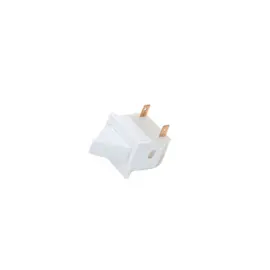
Knowing this is a washer helps you choose the right parts and troubleshooting steps. For example, common washer-related repairs involve draining, filling, and lid safety interlocks, such as the washer lid switch assembly WH12X10334 or the washer drain pump assembly WH23X10030.
Last updated: February 2026
Does the GE UltraFresh vent system use a lot of electricity?
The GE WJRE5500G2WW washer is not an UltraFresh Vent model; that venting feature is used on certain GE front-load washers. For this model, electricity use is mainly driven by the motor, control, and spin cycle time, not a post-wash vent fan; check the owner's manual for the exact features and cycle behavior.
What to expect for electricity use on this washer
For a traditional GE top-load washer like the WJRE5500G2WW, power draw is typically intermittent and highest during agitation and spin. Most of the energy used in laundry usually comes from heating the water (your home water heater), not the washer itself.
Common factors that raise energy use:
- Using hot or warm water instead of cold
- Extra rinse or longer wash cycles
- Very large or unbalanced loads that extend spin time
- A draining issue that causes the washer to pause or retry (often tied to the drain system)
Quick checks if you are worried about high power use
If your washer seems to run unusually long or behaves inconsistently, we focus on the basics first.
- Make sure the washer is plugged into a properly grounded outlet on an individual circuit (per the installation guide)
- Confirm both hot and cold shutoff valves are fully open
- Verify the drain setup meets typical requirements (standpipe height and open-to-atmosphere drain)
- Listen for slow draining or repeated drain attempts
- Watch for a no-spin condition caused by a lid safety issue
Parts that commonly affect run time (and perceived energy use)
| Symptom | What it can cause | Related part on this model |
|---|---|---|
| Won’t spin or stops mid-cycle | Longer cycle time, repeated attempts | Washer lid switch assembly WH12X10334 |
| Won’t drain or drains slowly | Pauses, extended cycle | Washer drain pump assembly WH23X10030 |
| Loud roaring during spin | Drag, poor spin performance | Tub bearing WH2X1198 |
Why it matters
Longer-than-normal cycles and repeated drain or spin attempts can make it feel like the washer is “using a lot of electricity.” Fixing the underlying drain, lid switch, or bearing issue usually restores normal cycle time and performance.
Last updated: February 2026
How many years should a GE washing machine last?
Most GE washing machines last 10 to 14 years with normal household use. For your GE WJRE5500G2WW washer, consistent maintenance and avoiding overloads are the biggest factors that keep key components like the drain pump, lid switch, and suspension system running longer (see the owner's manual).
Typical lifespan and what affects it
A washer’s life is mostly determined by how hard it works and how well it is cared for.
- Loads per week: more cycles equals more wear on bearings, seals, and the drive system
- Overloading: increases stress on the tub, suspension, and drive pulley
- Water quality: sediment can shorten valve and pump life
- Leveling and vibration: an unlevel washer accelerates wear on suspension rods and tub components
- Routine cleaning: helps prevent odor, residue buildup, and performance issues
Maintenance that extends washer life
The WJRE5500G2WW manual calls out several care items that directly support long service life.
- Leave the lid open after washing so moisture can evaporate
- Clean the basket with a soft cloth and liquid detergent, then rinse (avoid harsh cleaners)
- Run an occasional cycle that includes bleach to help keep the interior clean
- Replace fill hoses about every 5 years
- Keep the washer level by adjusting the front leveling legs as needed
Common “wear” parts vs. “major” parts
| Part type | What it impacts | Examples for WJRE5500G2WW |
|---|---|---|
| Wear items | Leaks, draining, starting, vibration | Washer tub seal WH02X10383, washer drain pump assembly WH23X10030, washer lid switch assembly WH12X10334 |
| Major mechanical | Spin performance, noise, tub support | Tub bearing WH2X1198, shaft WH38X10017 |
Why it matters
A washer that is kept clean, properly loaded, and level typically reaches the upper end of the 10 to 14 year range because it reduces strain on the tub bearing, tub seal, suspension rods, and electronic control.
Last updated: February 2026
Where is the filter on my GE Deep Fill washing machine?
On the GE WJRE5500G2WW top-load washer, there is no routine, user-accessible “filter” like many front-load models have. For this washer, the practical “filtering” points are the drain pump inlet (for small items) and the water inlet screens at the fill valves; use the owner's manual for the approved cleaning and safety steps.
What to check first (most common “filter” confusion)
- Front-load pump filter door: common on front-load washers, but not typical on this GE top-load design.
- Drain system restriction: coins, socks, or debris can lodge at the pump inlet and cause slow drain or no drain.
- Water inlet screens: sediment can clog the small screens where the fill hoses connect, causing slow fill.
How to tell which “filter” area you need
| Symptom | Most likely area | What you’ll notice |
|---|---|---|
| Won’t drain, drains slowly, or leaves water | Drain pump path | Humming pump, standing water, long cycle |
| Won’t fill or fills very slowly | Inlet screens/valve | Little or no water entering tub |
| Odor or residue | Wash basket care | Film, musty smell, visible buildup |
Safe, practical steps we recommend
- Unplug the washer before any inspection or cleaning.
- Turn off both water faucets to reduce leak risk.
- If you suspect a drain restriction, inspect the drain path and consider replacing the washer drain pump assembly WH23X10030 if the pump is noisy, seized, or leaking.
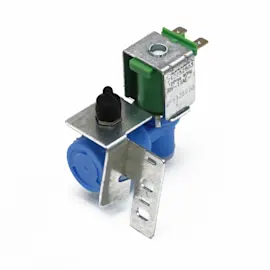
- If you suspect slow fill, remove the hoses and rinse the inlet screens; replace the inlet valve if it will not open properly (listed as “valve” for this model).
- For routine care, leave the lid open after loads and clean the basket with a soft cloth and mild detergent as described in the manual.
Why it matters
Looking for a front-load style filter on a top-load washer can lead to unnecessary disassembly. Focusing on the drain pump path and inlet screens fixes the most common “filter-related” problems: slow drain, no drain, and slow fill.
Last updated: February 2026